
On this page
Quick takeaway
Building a home is one of the most exciting yet challenging endeavors, especially in a country like India where diverse construction methods, materials, and legal requirements come into p...
Building a home is one of the most exciting yet challenging endeavors, especially in a country like India where diverse construction methods, materials, and legal requirements come into play. Whether you're building a small cottage or a multi-story building, understanding the house construction process is crucial. This blog takes you through the comprehensive step-by-step house construction process in India, from planning to the final touches.
Understanding the House Construction Process in India
House construction in India involves multiple stages, each of which plays a vital role in ensuring the structure is strong, safe, and long-lasting. It requires proper planning, technical expertise, skilled labor, and the right materials. While the steps might slightly differ depending on location, local building codes, and personal preferences, the overall construction process follows a standard sequence.Pre-Construction Stage: Planning & Approvals
The pre-construction stage is crucial as it sets the foundation for the entire project. It involves the following steps:- Site Selection & Survey: Choose a plot of land that fits your needs and conduct a site survey to assess the soil quality, terrain, and other environmental factors.
- Architectural Design: Hire a qualified architect to design the layout of your house. The design should adhere to local building codes, aesthetics, and functionality.
- Legal Approvals: Before construction begins, you need to obtain approval from local municipal authorities. This includes the sanctioning of building plans, layout, water, electricity connections, and environmental clearances.
- Budgeting & Planning: Set a realistic budget and timeline. Factor in costs for labor, materials, permits, and contingencies.
Foundation Work: Base of a Strong House
The foundation is the most crucial part of any structure. It transfers the weight of the house to the ground. The type of foundation (slab, column, or raft) depends on the soil conditions and the design of the house. The process involves:- Excavation: Digging the soil to the required depth.
- Pouring Concrete: Cement, sand, and aggregates are mixed and poured to form a solid base.
- Reinforcement with TMT Bars: TMT (Thermo-Mechanically Treated) bars are used for reinforcing the foundation. These bars provide the required tensile strength and durability, making the foundation strong and resistant to cracking.
Best TMT Bars for House Construction
When it comes to foundation work, it’s important to use the highest quality TMT bars. Look for TMT bars that are corrosion-resistant and have high ductility. The bars should conform to IS 1786 standards to ensure reliability and strength.Plinth Beam & Ground Floor Slab Construction
Once the foundation is ready, the next step is the construction of the plinth beam and ground floor slab. The plinth beam helps to transfer the load from the walls and columns above to the foundation below. The process includes:- Plinth Beam Construction: Steel bars (TMT bars) are placed, and concrete is poured to form the plinth beam.
- Ground Floor Slab: The ground floor slab is built using RCC (Reinforced Cement Concrete). It forms the base for the walls and upper floors.
TMT Bar for Foundation and Slab
For both plinth beams and slabs, ensure that high-quality TMT bars like Fe 550D steel are used. These bars provide strength and prevent the development of cracks.Superstructure Construction (Columns, Beams & Slabs)
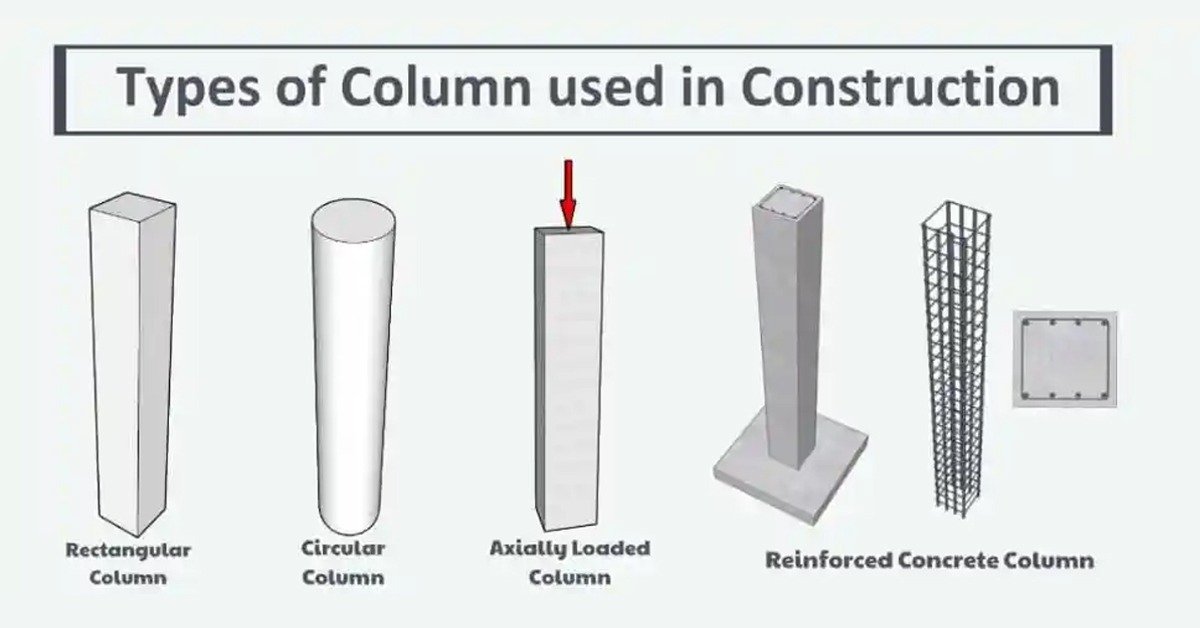
The superstructure involves constructing the vertical and horizontal load-bearing components of the building, including columns, beams, and slabs. This stage gives shape to your home and supports the weight of the upper floors and roof.- Column Construction: Vertical support structures made of RCC are reinforced with TMT bars. These bars help carry the weight of the building and provide stability.
- Beam Construction: Beams are placed horizontally to distribute the load from the columns. Steel reinforcement is crucial for the beam’s strength.
- Slab Construction: Slabs are cast on top of beams to create floors. Reinforced slabs made with TMT bars ensure durability.
ARS Steel
For beams and columns, it’s important to use ARS Steel, which is known for its high strength and durability. It provides the necessary reinforcement to handle the load-bearing requirements.Brickwork & Masonry
Once the superstructure is ready, the next step is brickwork or masonry. This step involves:- Building Walls: Bricks or concrete blocks are used to construct the walls. Masonry work requires precision and quality control to ensure the walls are plumb and level.
- Reinforcement: Steel reinforcement in the walls adds strength and ensures the structure can handle seismic loads, especially in earthquake-prone regions.
TMT Steel for Brickwork
TMT bars are often used in brickwork, especially for load-bearing walls. These bars ensure that the brickwork can bear the weight of the upper floors and provide additional tensile strength.Roofing & Staircase Construction
The roof and staircase are the essential elements of a building’s structure:- Roofing: Depending on the design, roofing can be flat, sloped, or a combination. Materials like RCC slabs, tiles, or sheets are used to construct the roof.
- Staircase: Whether it's a straight, spiral, or circular staircase, it is constructed using RCC or precast slabs reinforced with steel bars.
Fe 550D Steel for Roofing & Staircases
For roofing and staircases, Fe 550D steel provides the necessary tensile strength, preventing cracks and ensuring long-term stability.Electrical, Plumbing & MEP Work
This stage involves setting up all the electrical, plumbing, and mechanical systems in your home. It includes:- Electrical Wiring: Proper wiring must be done in compliance with safety codes. Electrical points, switches, and sockets are planned.
- Plumbing: Water supply lines, drainage systems, and sanitary fittings are installed.
- Mechanical, Electrical, and Plumbing (MEP): MEP systems ensure that your home is functional with heating, ventilation, and air conditioning (HVAC), fire safety, and other utilities.
Plastering, Flooring & Finishing Works
After the basic structure is complete, the finishing work begins:- Plastering: Walls and ceilings are plastered to smoothen the surface.
- Flooring: Tiles, marble, or wood flooring is laid as per the design.
- Painting: Both interior and exterior walls are painted with the desired colors.
- Window & Door Fittings: Finally, windows, doors, and other hardware like railings are installed.
Painting & Exterior Finishes
Exterior finishes are just as important as interior ones, as they provide the first impression of your home. The exterior is painted with weather-resistant paints to enhance aesthetics and protect the building from environmental elements.Quality Checks & Final Inspection
Before moving into your new home, a thorough quality check is necessary to ensure everything is up to code and there are no structural issues. This includes checking:- The alignment and level of walls and floors.
- Proper functioning of plumbing, electrical, and HVAC systems.
- Structural integrity of beams, columns, and slabs.
Cost Factors in House Construction in India
House construction costs in India vary based on location, materials, labor costs, and design complexity. Here are the main cost factors:- Material Costs: The cost of cement, steel (TMT bars), bricks, etc., varies. TMT bars, for instance, can significantly affect the overall cost of construction.
- Labor Costs: Skilled labor, like masons, electricians, and carpenters, forms a significant portion of the cost.
- Legal & Approval Fees: Obtaining the necessary permits and approvals also incurs costs.
- Contingency Costs: It's always wise to have a contingency budget for unexpected expenses.
Why TMT Bars Are Crucial in House Construction
TMT bars are the backbone of any construction project. They offer several benefits, such as:- High Strength: TMT bars offer superior tensile strength, making them ideal for load-bearing structures like beams, columns, and foundations.
- Corrosion Resistance: TMT bars are designed to resist corrosion, ensuring the longevity of your home.
- Earthquake Resistance: Their ductility makes them ideal for withstanding seismic forces, especially in earthquake-prone regions.
How to Choose the Right TMT Bars for Your Home
Choosing the right TMT bars is crucial for the safety and longevity of your home. Consider the following:- Grade of Steel: TMT bars come in various grades like Fe 415, Fe 500, Fe 550D, etc. Choose based on your structural requirements.
- Corrosion Resistance: Look for TMT bars that offer good corrosion resistance.
- Brand Reputation: Choose reputed brands known for quality and reliability.
Common House Construction Mistakes to Avoid
Avoid these common mistakes to ensure a smooth construction process:- Poor Site Selection: Ensure the land is suitable for construction.
- Incorrect Material Selection: Always use quality materials like TMT bars and cement.
- Skipping Approvals: Failing to obtain the necessary approvals can lead to legal troubles.
- Over- or Under-Budgeting: Be realistic about costs and timelines.
Conclusion
Building a house in India is a comprehensive and meticulous process, requiring careful planning, skilled labor, and quality materials. By understanding each stage of construction, you can make informed decisions and avoid common pitfalls. Whether it’s choosing the right.Next step
Turn construction guidance into a steel estimate.
Use the calculator, check current buying routes, or connect with ARS for project-specific support.