
On this page
Quick takeaway
In modern construction and infrastructure development, durability and longevity are critical. One material that has gained significant attention for its performance in harsh environments...
In modern construction and infrastructure development, durability and longevity are critical. One material that has gained significant attention for its performance in harsh environments is corrosion resistant steel. Commonly referred to as CRS steel, this advanced material is engineered to withstand corrosion, making it ideal for long-term structural use. This blog will tell everything you need to know about CRS steel, including its grades, properties, standards, and applications.
While regular steel may seem economical initially, CRS steel proves more cost-effective in the long run.
What is Corrosion Resistant Steel (CRS)?
Corrosion resistant steel (CRS steel) is specially designed steel that contains alloying elements like copper, chromium, nickel, and phosphorus to enhance its resistance to rust and environmental degradation. Unlike conventional steel, CRS steel forms a protective oxide layer that prevents further corrosion, increasing its lifespan significantly.Why Corrosion Resistance Matters in Steel
Steel structures are often exposed to moisture, chemicals, and varying weather conditions. Without protection, they corrode over time, leading to structural weakness and increased maintenance costs. Using CRS steel for construction ensures:- Longer service life
- Reduced maintenance
- Improved safety
- Cost efficiency over time
CRS Steel Manufacturing & Protection Methods
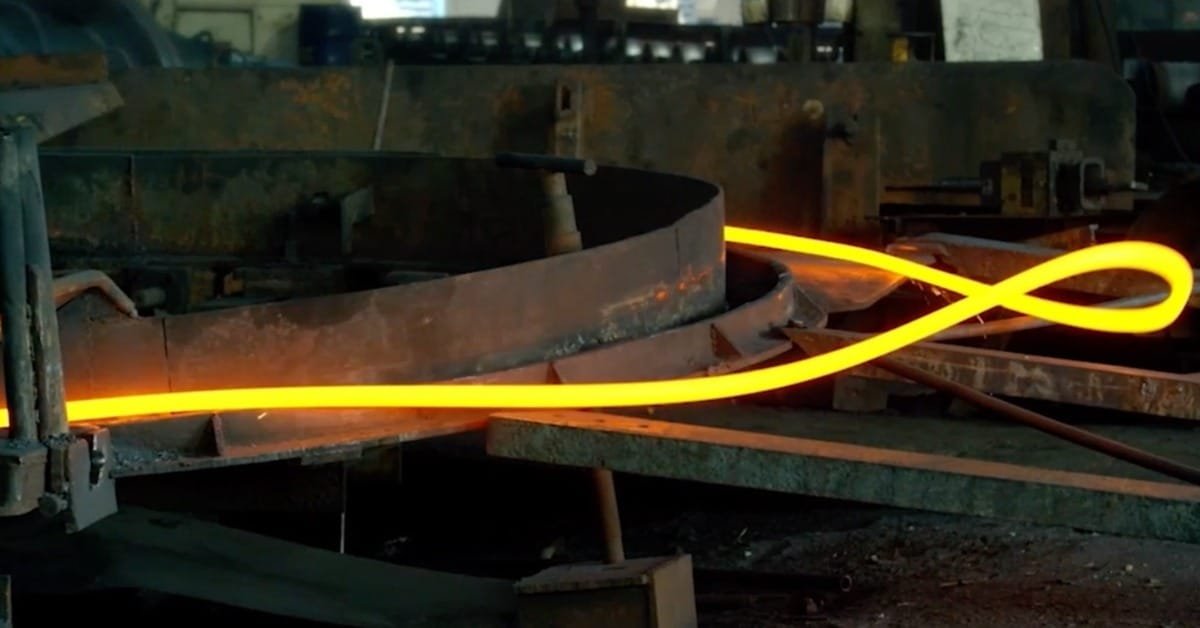
The production of CRS steel involves precise control of alloy composition and advanced rolling processes. Some manufacturers also apply additional protective methods such as:- Thermo-mechanical treatment
- Controlled cooling techniques
CRS Steel Grades
Understanding CRS steel grades is essential when selecting the right material for your project. These grades vary based on composition and performance requirements. Common classifications include:- Low alloy corrosion resistant grades
- Weathering steel grades
- High-strength CRS variants
What Does “D Quality” Mean in CRS Steel?
“D Quality” in CRS steel typically refers to ductility and deformability standards. It indicates that the steel can withstand bending and shaping without cracking, making it suitable for seismic zones and complex structural designs.CRS Steel Quality Standards and Specifications
To ensure reliability, CRS steel must meet strict corrosion resistant steel standards and CRS steel specifications. These standards define:- Chemical composition
- Mechanical strength
- Corrosion resistance levels
- Testing procedures
CRS Steel in Infrastructure – NHAI Guidelines
In India, infrastructure authorities emphasize the use of durable materials. Guidelines encourage the use of CRS steel for construction, especially in highways, bridges, and coastal projects, where corrosion risk is high. This has increased demand among CRS steel manufacturers India.How to Identify High-Quality CRS Steel
When selecting CRS steel, consider the following:- Certification as per recognized corrosion resistant steel standards
- Verified CRS steel specifications
- Reputable CRS steel manufacturers India
- Consistent surface finish and uniform composition
Applications of CRS Steel
The versatility of CRS steel applications makes it a preferred choice across industries:- Bridges and highways
- Coastal and marine structures
- Industrial plants
- Railways
- Urban infrastructure
CRS Steel vs Regular Steel
|
Feature |
CRS Steels |
Regular Steel |
| Corrosion Resistance |
High |
Low |
| Maintenance |
Minimal |
Frequent |
| Lifespan |
Longer |
Shorter |
| Cost |
Higher Upfront |
Lower |
Benefits of Using CRS Steel
Using corrosion resistant steel offers several advantages:- Enhanced durability
- Reduced lifecycle cost
- Environmental sustainability
- Better structural integrity
- Ideal for harsh climates
ARS Steel and ARS CRS Steel
Some advanced variants like ARS steel and ARS CRS Steel incorporate additional alloying and processing techniques to further improve corrosion resistance and mechanical performance, making them suitable for critical infrastructure projects.Conclusion
As infrastructure demands grow, the need for durable and reliable materials becomes more important than ever. CRS steel stands out as a superior choice due to its enhanced resistance to corrosion, robust performance, and long-term cost benefits. By understanding corrosion resistant steel grades, standards, and applications, engineers and builders can make informed decisions that ensure safety, efficiency, and sustainability in construction projects.Next step
Review ARS quality, testing, and manufacturing proof.
See how ARS supports strength, consistency, and buyer confidence from plant to project site.