
On this page
Quick takeaway
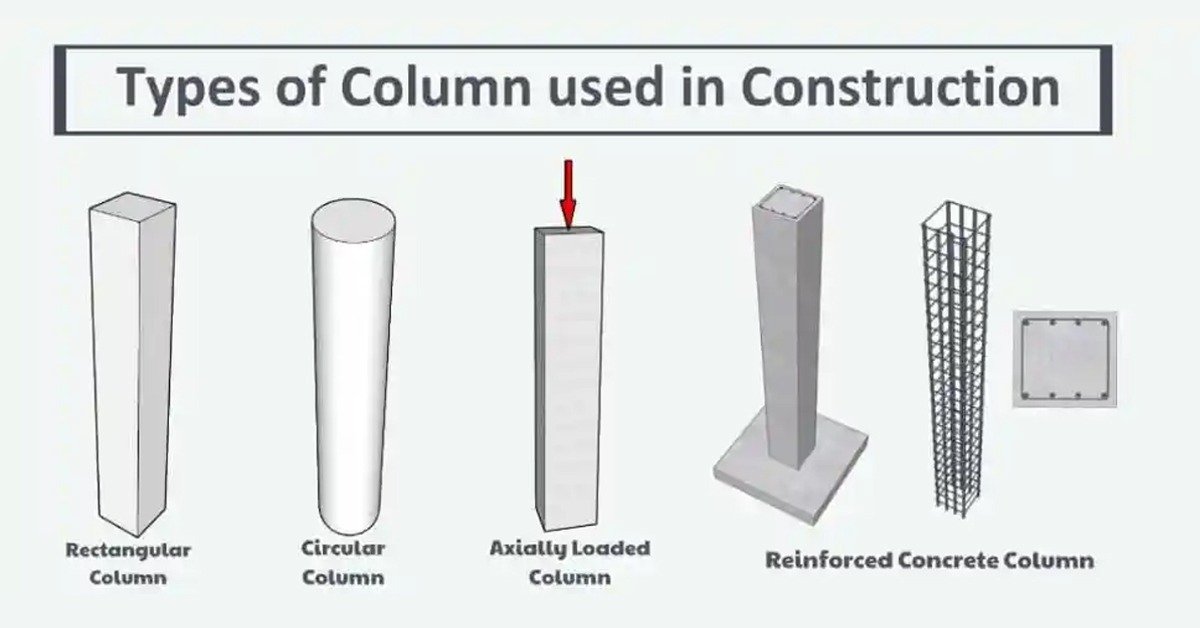
Reinforced Cement Concrete (RCC) columns are among the most important structural elements in any building. They carry the load from beams and slabs and transfer it safely to the foundation.
Reinforced Cement Concrete (RCC) columns are among the most important structural elements in any building. They carry the load from beams and slabs and transfer it safely to the foundation. To achieve adequate strength, stability, and ductility, steel reinforcement is provided inside concrete. Understanding the types of reinforcements used in RCC columns helps ensure durable and safe construction.
Importance of Reinforcement in Column Performance
Columns are vertical compression members designed to support structural loads. While concrete is strong in compression, it is weak in tension—making steel reinforcement essential. Proper detailing and placement of reinforcement ensure structural safety and compliance with relevant codes such as IS 456, ACI, or Eurocode.What Is Column Reinforcement?
Column reinforcement refers to the steel bars (rebars) placed inside concrete columns to improve their load-carrying capacity. These steel bars resist tensile, shear, and bending stresses that concrete alone cannot withstand.Reinforcement in columns generally includes:
- Longitudinal bars (vertical bars)
- Ties / Lateral ties
- Spiral reinforcement
- Helical reinforcement
- Additional bars (for lapping or confinement)
Purpose of Reinforcement in RCC Columns
Reinforcement in RCC columns serves several structural and safety functions:
- Enhances tensile strength
- Improves ductility, allowing the structure to deform safely during seismic events
- Prevents buckling of the concrete core
- Binds concrete together, improving confinement
- Ensures load transfer even if concrete cracks
- Increases durability and prevents sudden collapse
Types of Reinforcements Used in RCC Columns
Below are the main types of reinforcement in columns used in modern construction:
- Longitudinal Reinforcement (Vertical Bars)
- Carry axial compression and tension loads
- Resist bending (moments)
- Enhance column rigidity
- Lateral Ties (Closed Stirrups)
- Prevent the buckling of vertical bars
- Hold longitudinal bars in position
- Improve ductility and confinement
- Spiral or Helical Reinforcement
- Provides superior confinement
- Enhances load-carrying capacity
- Offers better seismic resistance
- Transverse Reinforcement
- Additional or Extra Bars
- Lapping (splicing)
- Column enlargement
- Construction joints
- Increased load demands
Minimum and Maximum Reinforcement in Columns
Minimum Reinforcement
As per IS 456:- The minimum longitudinal reinforcement = 0.8% of the gross cross-sectional area of the column
- Minimum number of bars:
- 4 bars for rectangular columns
- 6 bars for circular columns
Maximum Reinforcement
- Maximum reinforcement should not exceed 6% of the cross-sectional area
- Practically kept between 2%–4% to ensure proper compaction
- Lateral ties spacing:
- Least of:
- 300 mm
- 16 × dia. of longitudinal bar
- 48 × dia. of tie bar
- Least of:
- Maintain clear cover as per code (usually 40–50 mm for columns)
- Ensure longitudinal bars are placed symmetrically
- Provide closer ties near beam-column joints
- Use mechanical couplers when space is limited
- Ensure ties are properly anchored with 135° hooks
- Avoid congestion; allow space for concrete flow
Common Mistakes to Avoid During Column Reinforcement
- Insufficient cover, leading to corrosion of steel
- Improper spacing of ties, causing bar buckling
- Poor lapping practices, affecting load transfer
- Overcrowded reinforcement, restricting concrete compaction
- Incorrect tie anchorage (less than 135° hooks)
- Misalignment of bars
- Using rusted or low-quality reinforcement bars
Conclusion
RCC columns play a critical role in maintaining the strength and stability of buildings. Using the right types of reinforcements, ensuring proper detailing, and following code guidelines are essential for safe and durable construction. Longitudinal bars, lateral ties, and helical reinforcement each contribute uniquely to the column’s strength and ductility. When planned and executed correctly, column reinforcement ensures that a structure remains strong, resilient, and safe throughout its lifespan.Next step
Turn construction guidance into a steel estimate.
Use the calculator, check current buying routes, or connect with ARS for project-specific support.