
40–60%
of a building’s lifetime carbon emissions can come from its materials.
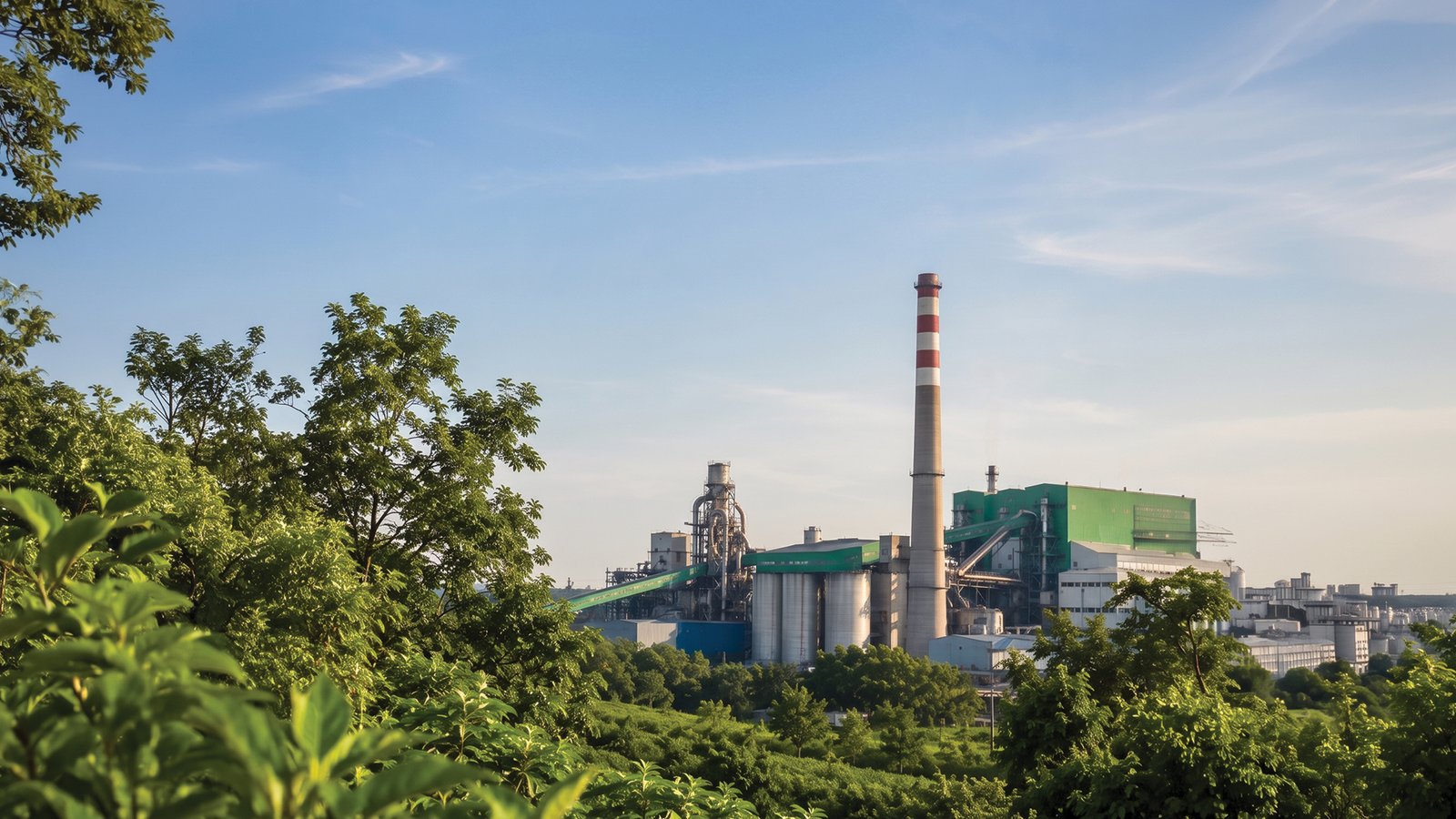
BUILDING A LOWER-CARBON FUTURE
The environmental impact of a building begins long before it is occupied—shaped by every material chosen from the ground up.
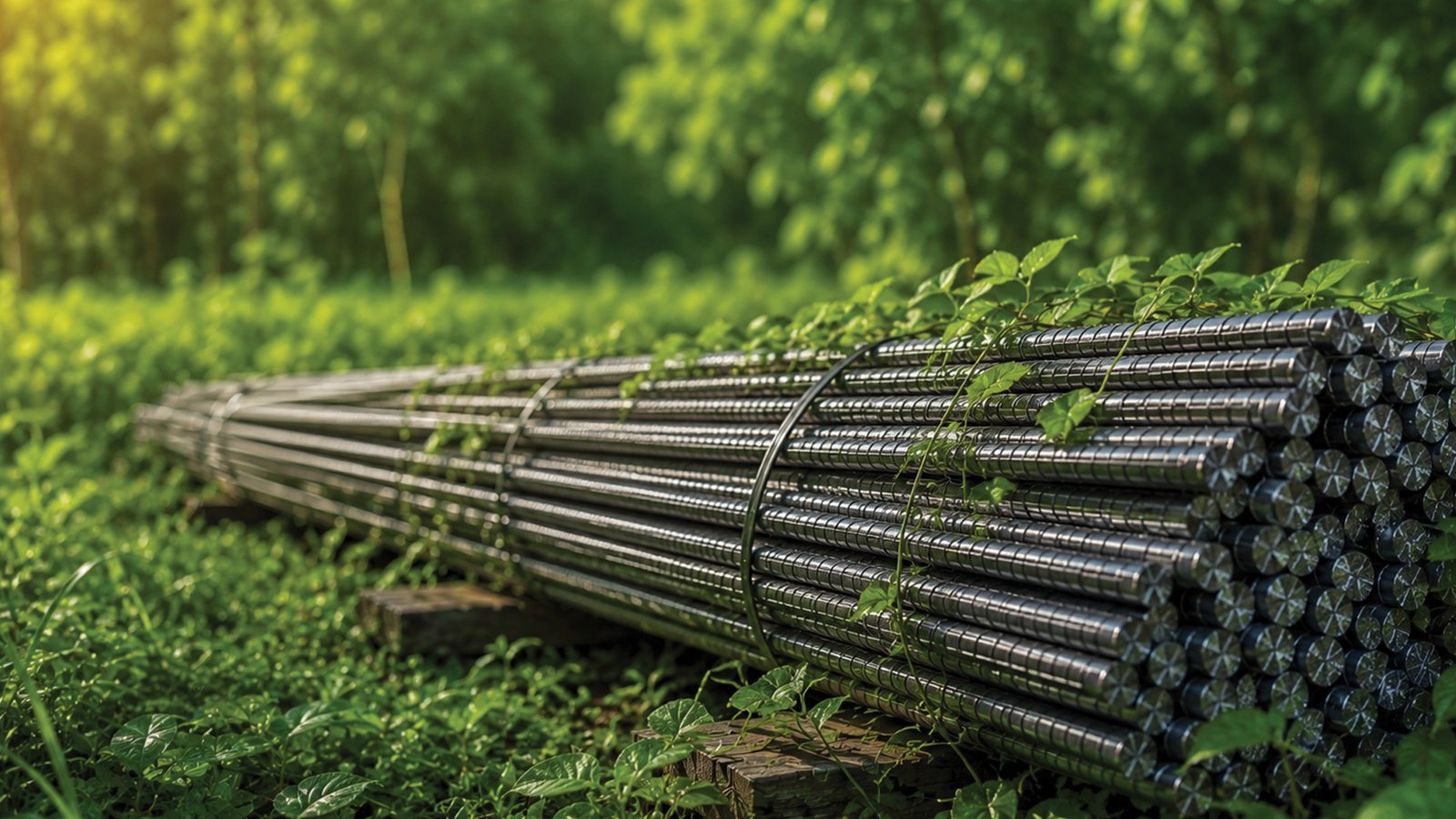
WHAT IS EMBODIED CARBON
A building's carbon footprint does not start when people begin using it. A large portion of it is generated during the production of materials.
Embodied carbon includes the emissions related to making construction materials, from extracting and processing raw materials to manufacturing and delivering the finished products to the site.
This differs from operational carbon, which results from the daily use of a building, such as lighting, cooling, and operating equipment. Embodied carbon is mainly determined much earlier, when the materials for a project are selected and purchased.
WHY EMBODIED CARBON MATTERS
A large part of a building’s carbon footprint is decided before the first brick is laid. The materials chosen at the design and procurement stage determine how much carbon is already built into the project.
As buildings become more energy efficient and electricity gets cleaner, the carbon from construction materials becomes harder to ignore. Industry standards, green building frameworks and investors are also paying closer attention to the carbon impact of the materials used.
of a building’s lifetime carbon emissions can come from its materials.
Material decisions made during design and procurement cannot easily be changed later.
As operational energy becomes cleaner, embodied carbon takes up a larger share of a building’s total emissions.
Green building frameworks and investors are increasingly looking at low-embodied-carbon materials.
ROLE OF STEEL IN EMBODIED CARBON
Steel is a major part of modern construction. It goes into homes, commercial buildings, factories, bridges and large infrastructure projects. At the same time, making steel takes considerable energy, so it also adds to the carbon footprint of the materials used in a project.
That is why steel deserves attention when embodied carbon is being considered. Choosing a lower-carbon steel can bring down the emissions linked to the structure, especially on projects where large quantities of steel are used.
The more steel a project uses, the more its carbon intensity matters.
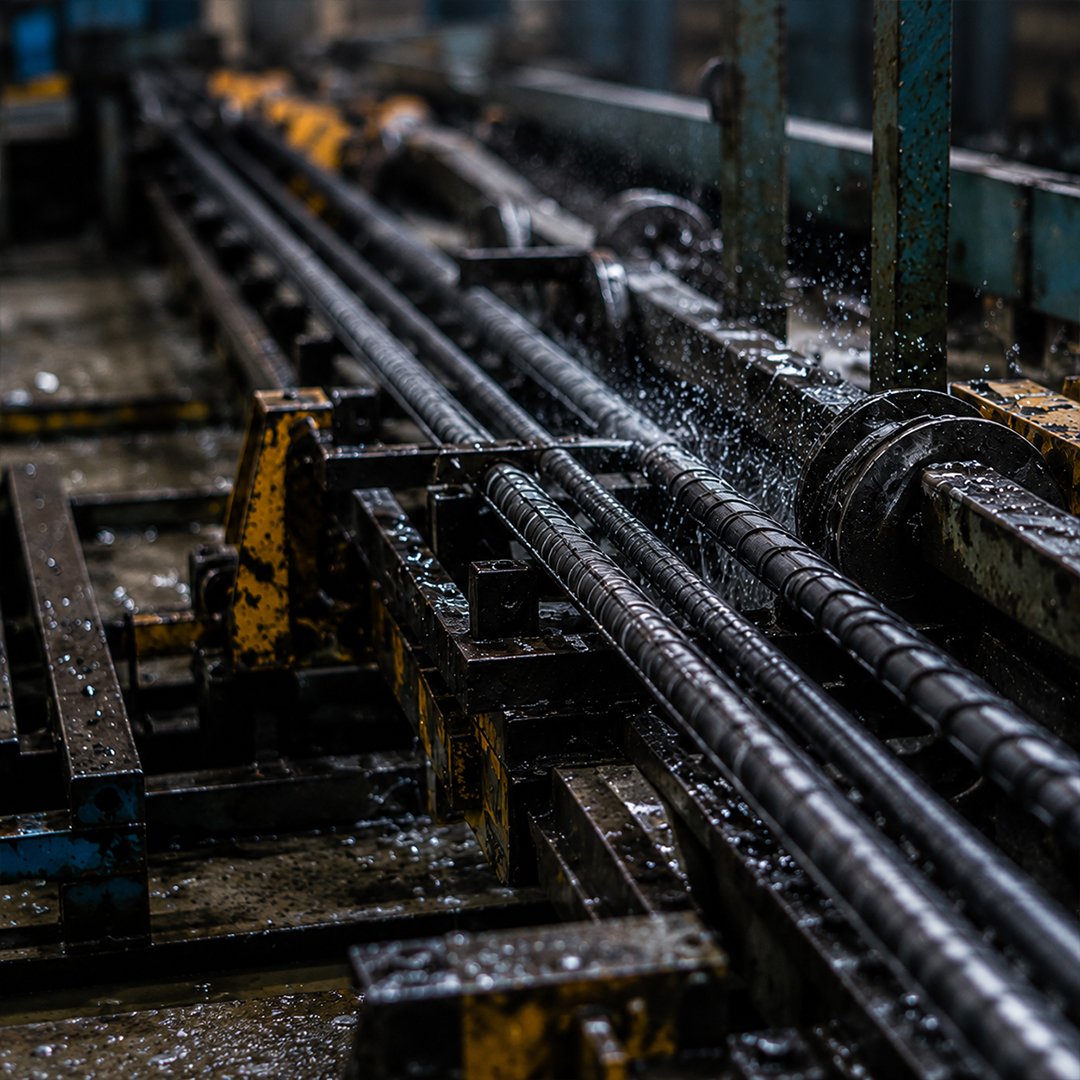
HOW GREEN STEEL REDUCES EMBODIED CARBON
The biggest opportunity to reduce the embodied carbon of steel comes from the way it is produced. The production route, the raw materials used and the energy behind the process all affect the final emission figure.
Green Steel can reduce this impact by combining recycle-based electric furnace steelmaking, lower energy usage per tonne, renewable energy and proper measurement of emissions.
Using premium-quality recyclable steel as a raw material reduces the need for new raw materials and keeps steel in use.
Electric furnace routes that use recyclable steel can consume less energy than conventional steelmaking routes.
Using renewable power in production can further reduce the emissions associated with making steel.
Carbon performance needs to be measured and verified, not simply described as “green”.
REAL PROJECT IMPACT
Small improvements in emission intensity create significant reductions when multiplied across an entire construction project.
Embodied Carbon Impact — A Practical Example
Example: To understand the real impact of material choice, consider a project consuming 10,000 tonnes of TMT rebars.
Project Requirement
10,000 tonnes of TMT steel
Emission Intensity Comparison
Conventional Steel
EPD Verified
Potential reduction: approximately 77% lower embodied carbon from steel selection alone.
MEASURING EMBODIED CARBON
Knowing the carbon intensity of steel starts with measuring the emissions linked to its production. A Life Cycle Assessment (LCA) looks at the different stages involved, while an Environmental Product Declaration (EPD) presents the resulting environmental data in a standardised format.
This gives project teams something concrete to work with when comparing materials. Instead of relying on a general claim that one steel is “greener” than another, they can look at the actual emission intensity and the evidence behind it.
FAQs
BUILD RESPONSIBLY
Choose certified green steel backed by independently verified environmental performance. Talk to our team to find the right solution for your next residential, commercial, or infrastructure project.