Categories
Uncategorized

Difference Between Shallow and Deep Foundation

What is the Difference Between a Shallow and a Deep Foundation?

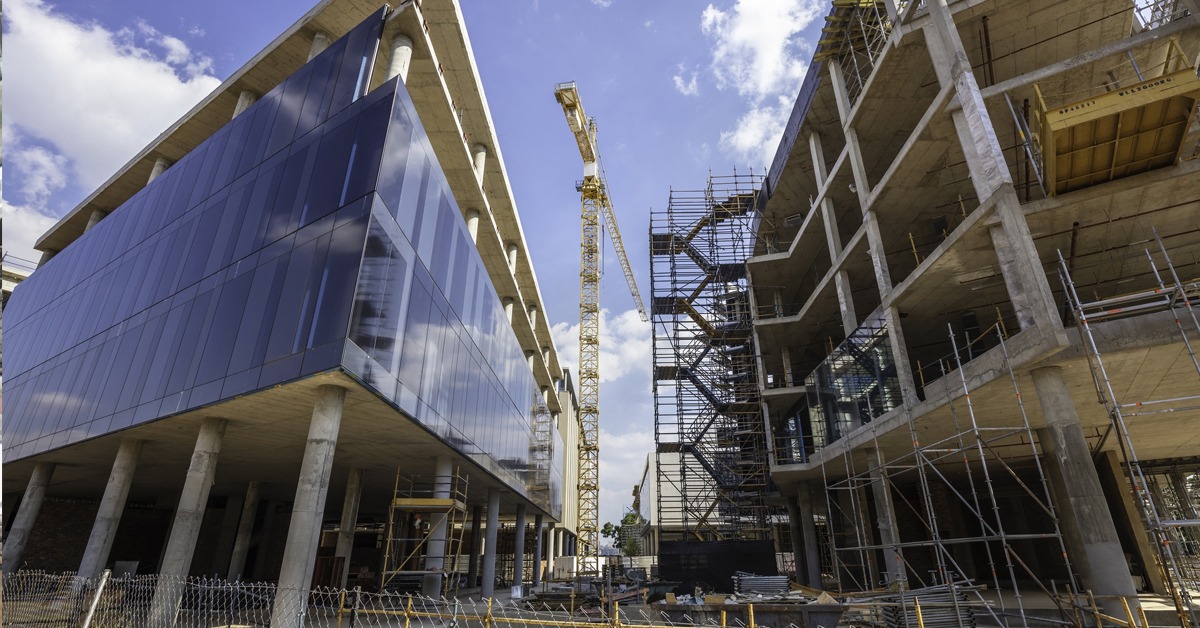
When you’re constructing any building or structure, one of the most vital elements is the foundation, the part of the building that transfers its load to the ground. Choosing the right type of foundation ensures the structure’s stability, durability, and safety. Foundations are broadly classified into two types: shallow foundations and deep foundations.

What is a Shallow Foundation?

A shallow foundation transfers the building load to the earth very near to the surface, usually within a depth of about 3 meters. These are typically used when the soil has sufficient bearing capacity at a shallow depth.

Common Types of Shallow Foundations:


• Spread Footing (Isolated Footing)
• Strip Footing
• Mat or Raft Foundation
• Combined Footing

When to Use:


• When the load on the structure is relatively low.
• When good soil exists close to the surface.
• For smaller buildings, homes, and light commercial structures.

Advantages of Shallow Foundations:


• Cost-effective and easy to construct.
• Requires less excavation and labor.
• Faster construction process.

What is a Deep Foundation?

A deep foundation transfers the building load to deeper layers of the earth when surface soil is not strong enough to support the structure. These foundations go beyond 3 meters deep, sometimes even hundreds of meters, depending on the soil condition and load.

Common Types of Deep Foundations:


• Pile Foundation
• Drilled Shaft (Caisson)
• Pier Foundation
• Well Foundation

When to Use:


• When the upper soil layer is weak or compressible.
• For heavy and high-rise structures like bridges, towers, or skyscrapers.
• In areas with water-logged or highly variable soil conditions.

Advantages of Deep Foundations:


• Provides better load-bearing capacity in poor soil conditions.
• Ideal for large, heavy, or complex structures.
• Can be used in challenging terrain or seismic zones.

Key Differences Between Shallow and Deep Foundations:


FeatureShallow FoundationDeep Foundation
DepthTypically, less than 3 metersGreater than 3 meters
Load TransferTransfers load to near-surface soil layersTransfers load to deeper, stronger soil/rock
CostLess expensiveMore expensive due to machinery and materials
Construction TimeQuickerTime-consuming
Suitable ForLow-rise buildings, homesHigh-rise buildings, bridges, heavy structures
Soil RequirementRequires strong soil near the surfaceSuitable for weak or loose upper soil


Types of Steel Bars in Construction:


While considering shallow foundations or deep foundations, it’s crucial to understand the role of steel bar reinforcement in ensuring the strength and durability of the foundation. The most commonly used reinforcement bars are TMT steel bars, a superior type of steel bar ideal for construction.
TMT Steel Bars (Thermo-Mechanically Treated bars) are widely used in both shallow foundations and deep foundations due to their superior tensile strength, flexibility, and durability. When building high-rise structures or large bridges, these TMT steel bars offer the necessary reinforcement to handle large loads and stress.

Types of Steel Bars:


• TMT Steel Bars
• HYSD (High Yield Strength Deformed) Bars
• Mild Steel Bars
• TMT Bars
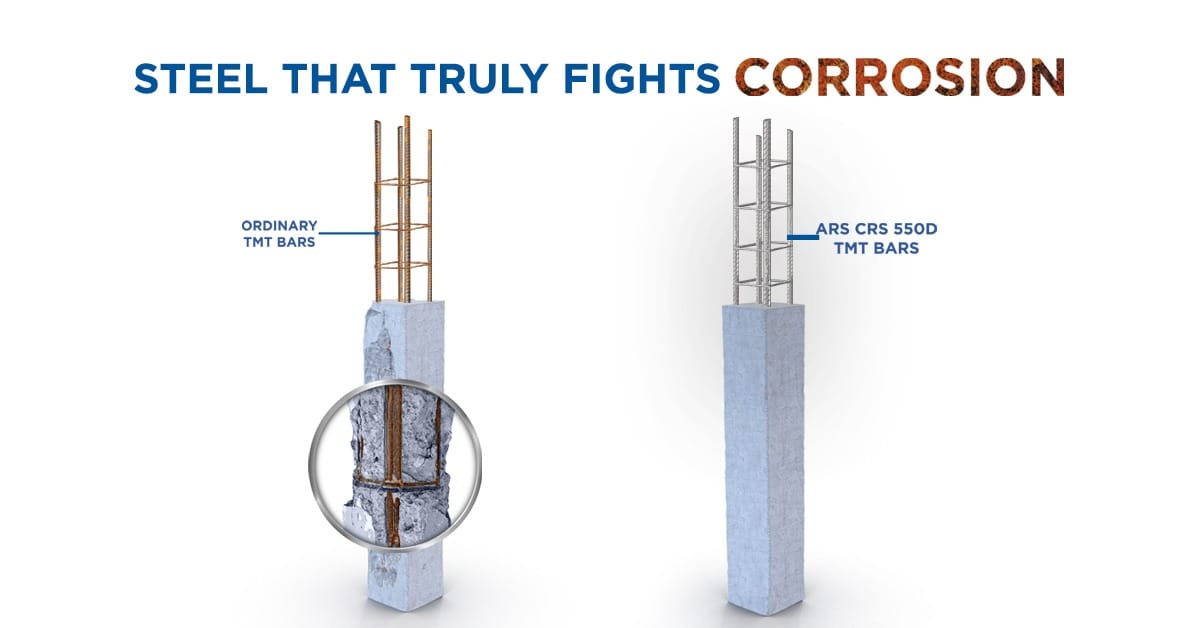
TMT bars are specifically chosen for their ability to withstand high temperature, corrosion, and seismic conditions, making them suitable for use in both shallow and deep foundation designs. These bars help distribute the load and prevent cracks or structural failures in the foundation.

Conclusion


Understanding the difference between shallow and deep foundation is essential for choosing the right foundation type for your construction project. Shallow foundations are easier and cheaper to build, while deep foundations offer better support for unstable or soft soil. Additionally, choosing high-quality TMT steel bars for reinforcement in both shallow and deep foundations ensures a durable and safe structure. Always consult with a structural engineer to find the best solution for your project.

Categories
Uncategorized

Reinforced Cement Concrete

A Complete Guide To Reinforced Cement Concrete

Reinforced Cement Concrete (RCC) is a widely used construction material, offering a blend of durability, strength, and flexibility. It is essential in various civil engineering projects, from buildings and bridges to dams and roads.

What is Reinforced Cement Concrete (RCC)?

Reinforced Cement Concrete (RCC) is a combination of concrete and steel bars (reinforcement bars.) This combination enhances the material’s strength and durability, making it suitable for bearing tensile stresses that plain concrete alone cannot withstand. Concrete is naturally strong in compression but weak in tension, and steel, on the other hand, is strong in tension but weak in compression. By combining these two materials, RCC can offer both high compressive and tensile strength.

Definition of Reinforced Cement Concrete


Reinforced Cement Concrete (RCC) is defined as as concrete that is integrated with reinforcement (usually steel bars or mesh) to improve its tensile strength and resistance to cracking. The reinforcement and concrete work together, with the steel bars taking on the tensile forces and the concrete handling the compressive forces.

Concrete, when hardened, is naturally strong in compression, but weak in tension. This makes it prone to cracking under tensile forces. Steel, with its high tensile strength, compensates for the weakness of concrete in tension, making the overall material much more versatile and reliable for construction.

In simpler terms, RCC is a mixture of concrete and steel bars or mesh that makes it strong enough to be used for buildings, bridges, highways, and other infrastructure projects.

Components of Reinforced Cement Concrete (RCC)


The key components of RCC are:

  1. Cement: This is the binding agent that holds the concrete together. Ordinary Portland cement (OPC) is most used, though other types of cement may also be utilized depending on the application.
  2. Aggregates: Aggregates consist of sand, gravel, or crushed stone, and they make up the bulk of the concrete. The aggregates provide the volume, and the binder (cement) binds them together to form a solid mass.
  3. Water: Water is added to the cement and aggregates to form a paste, which hardens over time. The quality of the water used is essential for the strength of the concrete.
  4. Reinforcement (Steel Bars): Steel bars (rebar) or mesh are embedded into the concrete to increase its tensile strength. The steel works in harmony with the concrete, compensating for its weak tensile strength while allowing the overall structure to endure higher stress loads.

Types of Reinforced Cement Concrete


Reinforced Cement Concrete can be categorized based on its design, usage, and the type of reinforcement used:

  1. Nominal Mix Concrete: A standard mixture of cement, sand, and aggregates. The ratio is fixed, and it is generally used for smaller, non-critical structures.
  2. Design Mix Concrete: The proportions of cement, sand, and aggregates are designed based on the strength requirements and other conditions of the project. This type of mix is more reliable for large-scale projects.
  3. High-Strength Concrete: Concrete that is designed to withstand higher stress and pressure. It is made with specific proportions of ingredients to increase its compressive strength.
  4. Prestressed Concrete: Steel tendons or wires are placed under tension before the concrete is poured. This preloading process allows the concrete to bear more load without cracking.

Benefits of Reinforced Cement Concrete


Reinforced Cement Concrete offers several advantages, which is why it is the go-to material for many construction projects:

  1. Strength: The combination of concrete and steel reinforcement gives RCC excellent compressive and tensile strength.
  2. Durability: RCC is highly resistant to weather conditions, corrosion, and wear and tear, making it long-lasting.
  3. Fire Resistance: Concrete is non-combustible, and the steel reinforcement is covered in a layer of concrete, which provides fire resistance to the structure.
  4. Flexibility in Design: RCC can be molded into virtually any shape, allowing for greater creativity and innovation in architectural design.
  5. Economical: Despite its strength and durability, RCC is cost-effective due to the availability of materials and its long lifespan.


Applications of Reinforced Cement Concrete


Reinforced Cement Concrete is used in a wide range of construction applications, including:

  • Buildings: RCC is the primary material used in the construction of residential, commercial, and industrial buildings.
  • Bridges: RCC is used to construct bridge decks, piers, and other structural components that bear heavy loads.
  • Roads and Highways: RCC is used for constructing roadways and pavements that need to endure heavy traffic loads and environmental conditions.
  • Dams and Reservoirs: RCC is often used for the construction of dams, as it is resistant to water damage and can withstand the enormous pressure exerted by water bodies.
  • Foundations: RCC is commonly used to create strong, durable foundations for buildings and other infrastructure.
  • Tunnels: RCC is used to construct tunnel linings that can resist high pressures and moisture.

Conclusion


Reinforced Cement Concrete (RCC) is a strong, durable construction material made by combining concrete with steel reinforcement. This mix allows it to handle both compressive and tensile forces, making it ideal for everything from homes to bridges and dams. RCC ensures long-lasting, reliable structures that can withstand tough conditions. Its versatility and strength make it the go-to choice for modern construction.

Categories
Uncategorized

Concrete Bleeding:Causes, Effects, and Prevention Techniques

Concrete Bleeding: Causes, Effects, and Prevention Techniques

Concrete is one of the most widely used building materials in the world known for its strength, durability, and versatility. But like all construction materials, it comes with its own set of challenges. One such issue that often crops up during concrete placement is concrete bleeding.

You might have seen a shiny, watery layer forming on the surface of freshly poured concrete. That, right there, is bleeding of concrete and if not controlled properly, it can weaken the finished structure.

In this blog, we’ll break down what concrete bleeding is, why it happens, how it affects your construction project, and most importantly, how to prevent it.

What is Bleeding in Concrete?

Bleeding in concrete is the process where water rises to the surface of freshly placed concrete. This happens because the solid particles in the mix (like cement and aggregates) settle down due to gravity, pushing the excess water upward.

In simpler terms, the heavier materials sink, and the lighter water gets squeezed out to the top.

Is High Water Cement Ratio Always Bad?


Not necessarily. A small amount of bleeding is normal and even helpful—it can assist in the finishing process. But excessive bleeding can lead to serious problems, like surface weakness, poor bonding with reinforcing steel, and long-term durability issues.

Causes of High-Water Cement Ratio in Concrete


Bleeding is usually a result of poor mix design or improper placement techniques. Some of the common causes include:

  • Adding more water in Concrete to increase the Workability
  • Too much water in the mix: High water-to-cement ratio is the most common culprit. More water means more bleeding.
  • Poorly graded aggregates: Uniform or poorly graded aggregates don’t interlock well, allowing water to escape more easily.
  • Over-vibration: Excessive vibration can push water out of the mix.
  • Lack of fines (cement or fly ash): Finer particles help hold water in the mix. A shortage of fines increases the likelihood of bleeding.

Effects of Bleeding on Concrete


Unchecked bleeding can compromise both the strength and appearance of concrete. Some of the most common effects include:

  • Weak surface layer: Bleeding water may carry cement particles with it, leaving a weak, dusty surface layer.
  • Reduced bond with reinforcement: Water accumulating under rebars can reduce the bond strength between steel and concrete.
  • Increased permeability: Bleeding leads to capillary channels in the concrete, allowing water and chemicals to enter more easily.
  • Plastic shrinkage cracking: Water rising to the surface may evaporate quickly, especially in hot or windy conditions, causing cracks while the concrete is still setting.

Segregation and Bleeding of Concrete


While bleeding is about water moving up, segregation is when the components of concrete (like aggregates and cement) separate from each other. Both issues are linked and can happen simultaneously.

Segregation often causes bleeding to become worse. When coarse aggregates separate and settle, the remaining mix becomes overly fluid and prone to water rising. Together, segregation and bleeding of concrete can lead to a mix that’s hard to work with and structurally compromised.

How to Prevent Bleeding in Concrete


Fortunately, with proper planning and mix control, you can greatly reduce the chances of bleeding. Here are some prevention techniques:

  1. Optimize the Mix Design
  • Reduce the water-cement ratio.
  • Use well-graded aggregates to ensure better packing and less water movement.
  • Add supplementary cementitious materials like fly ash or silica fume to retain moisture better.
  1. Use Admixtures
  • Incorporate water-reducing admixtures to achieve the desired slump without adding extra water.
  • Air-entraining agents can also help reduce bleeding.
  1. Proper Placement and Compaction
  • Avoid over-vibrating the concrete, especially with high-slump mixes.
  • Ensure uniform placement and avoid re-tempering the mix with water.
  1. Curing and Finishing
  • Don’t start finishing while bleed water is still on the surface—it traps water and leads to scaling.
  • Begin curing promptly to prevent water loss and surface cracking.

Conclusion


A well-prepared mix, coupled with good placement and finishing practices, can go a long way in preventing the issues caused by bleeding.

Categories
Uncategorized

How to Check TMT Bar Quality On-Site: A Step-by-Step Guide

How to Check TMT Bar Quality On-Site: A Step-by-Step Guide

When building a home or any structure, it is essential to use premium TMT steel bars. ARS Steel, a well-reputable manufacturer in India, is known for its GreenPro certified steel and its commitment to environmentally sustainable production methods.

Here’s a simple guide to check the TMT bar quality before using it:

  1. Check Certifications

Check for the ISI mark (IS 1786:2008) and ISO 9001:2015 certification.  ARS Steel bars hold GreenPro certification, positioning them as an environmentally friendly steel option. These certifications demonstrate that the bars comply with safety and environmental regulations.

  1. Look at the physical surface

The bar should be clean, rust-free, and without cracks or dents. Check that the size and length are correct and consistent. A smooth surface shows proper TMT steel manufacturing process.

  1. Logo and Grade Identification

ARS Steel bars will have the ARS logo and grade like CRS 550D, Fe 550D, Fe 500 & Fe 415 clearly marked. Make sure the grade matches your building needs.

  1. Weight check

It is very necessary to weigh the bar and compare it with standard weight charts. Also check accurate weight shows good manufacturing and quality as per Indian Standards 1786-2008.

  1. Look for Manufacturer Info

The bar should have the manufacturer’s name (ARS Steel) and the other contact details. Missing info could mean fake or low-quality bars.

  1. Bend test

Try to manually bend the bar, a high-quality TMT steel bar, such as ARS, will flex without developing cracks. This will show its strength and flexibility, as a test of the steel’s properties.

  1. Weldability Test

If you need to weld the bars, do a test. ARS bars weld easily and don’t break near the weld.

STEEL PATROL– To Check Chemical Parameters

On-Site Testing

Our Steel Patrol spectrometer testing service delivers laboratory-quality metal analysis at your location, providing swift, dependable, and accurate results without the delays associated with off-site laboratory testing. Whether you are performing quality control, verifying material composition, or conducting weld inspections completely free. Also, records value of 32 types of elements (including copper, nickel, chromium, molybdenum).

What We Provide: 

  • Swift On-Site Analysis: Instant results for prompt decision-making and reduced wait times.
  • Accurate Alloy Identification: Detailed analysis of elements including iron, nickel, chromium, copper, and other elements.
  • Traceability Documentation: Comprehensive records of tested materials, including digital reports for quality assurance and quality control.
  • Weld and Fabrication Verification: Ensure that filler materials correspond with parent metals in critical applications.

Conclusion:

Right quality TMT bars are vital for maintaining the strength and longevity of structures. So, it is critical for TMT bars to meet with the necessary chemical and physical specifications in IS codes to ensure their reliability and performance. Steel Patrol’s spectrometer verifies chemical parameters and reinforces quality and builds trust with customers. By consistently utilizing TMT bars that conform to stringent quality standards, the likelihood of structural failures is reduced, thereby enhancing the safety and durability of constructions.

Categories
Uncategorized

GreenPro Certified Steel

The Future of Sustainable Construction

Steel is an alloy primarily composed of iron and carbon is one of the widely used material in industries like construction, automotive manufacturing, infrastructure, and household. Known for its strength, durability, and recyclability, traditional steelmaking is energy-intensive and contributes significantly to global carbon emissions. This has led to TMT manufactures adapting to a new production process called Green Steel.

Green steel is an environmentally friendly alternative to conventional steel, which primarily focuses on reducing carbon omission in the manufacturing. While traditional steel manufacturing relies on fossil fuels, leading to high carbon emissions. Green steel is produced using cleaner technologies such as hydrogen-based direct reduction, electric furnaces which relies on renewable energy.

What is GreenPro Steel?

GreenPro Steel is an environmentally certified steel product that meets high sustainability standards. Certified by the GreenPro Ecolabel, this type of steel is manufactured using energy-efficient processes, reduces carbon emissions, and contributes to better resource management. It is a step towards green building solutions while ensuring durability and strength.

GreenPro certification


The GreenPro certification is an eco-label created by the Confederation of Indian Industry (CII) through its Green Business Centre. It evaluates and certifies products, including steel, based on their environmental performance throughout the entire product lifecycle, promoting sustainability and responsible production practices.

To be eligible for GreenPro certification, TMT manufacturers must demonstrate compliance with several criteria across the product’s life cycle.

Achieving GreenPro certification can enhance a manufacturer’s market reach, promote sustainability, and contribute to a greener future by reducing the environmental impact of steel production.

Achieving GreenPro Certification: A Commitment to Sustainable Steel Production


  1. Product Design: Demonstrate a strong commitment to environmental sustainability through thoughtful product design. This includes strategic resource allocation and active stakeholder engagement to minimize environmental impact.
  2. Product Performance: Ensure that products meet stringent environmental performance standards, focusing on reduced emissions, enhanced energy efficiency, and overall eco-friendly performance.
  3. Eco-Friendly Raw Materials: Prioritize the use of recycled or environmentally responsible raw materials, while minimizing the use of hazardous substances to support a healthier ecosystem.
  4. Manufacturing Practices: Implement energy-efficient manufacturing processes and waste-reducing techniques to lower carbon footprints and conserve resources throughout production.
  5. Waste Management: Adopt comprehensive waste management strategies that emphasize reduction, recycling, and responsible disposal, contributing to a circular economy.

Achieving GreenPro certification not only strengthens a manufacturer’s market presence but also promotes sustainability, driving the steel industry towards a greener, more responsible future.

Benefits of Using GreenPro Steel


  1. Lower Carbon Footprint

GreenPro Steel is produced using energy-efficient manufacturing and renewable energy sources making it a leading green steel option. By reducing CO₂ emissions, it helps combat climate change and help sustainability goals.

  1. Energy Efficiency

The production process of GreenPro Steel involves recycling materials and optimizing energy consumption, significantly lowering energy wastage compared to conventional steel. Compared to conventional options, this greatly lowers energy wastage, positioning it as an ideal choice for eco-conscious

  1. Recyclability

Steel is 100% recyclable. Green Pro-certified steel ensures that end-of-life materials are repurposed, helping reduce landfill waste and contributing to circular economy practices.

  1. Enhanced Structural Durability

Environmentally friendly doesn’t mean compromising on strength, GreenPro Steel also ensures high strength and durability, making it a preferred choice for individual homes, buildings, bridges, and infrastructure projects.

  1. Compliance with Green Building Certifications

Using GreenPro Steel contributes to certifications like LEED (Leadership in Energy and Environmental Design) and IGBC (Indian Green Building Council), making it an ideal choice for sustainable projects.

GreenPro Steel: The Future of Sustainable Construction


As the world shifts towards more more eco-friendly building materials, Green Pro steel is becoming a pivotal force in sustainable construction. The green steel solution is revolutionizing the ways building are designed and developed. Both governments and corporations are progressively embracing green-certified materials to comply with rigorous environmental standards and achieve their sustainability objectives.

Why Should the Industry Switch to GreenPro Steel?


  • Supports Net-Zero Targets: The steel industry accounts for nearly 7-9% of global CO emissions. GreenPro Steel helps mitigate this impact.
  • Cost-Effective in the Long Run: While the initial investment may be slightly higher, the long-term savings from energy efficiency and recyclability outweigh the costs.
  • Consumer Demand for Green Buildings: Homebuyers and businesses prefer eco-friendly constructions, making GreenPro Steel a valuable selling point.

Conclusion:

GreenPro Steel is more than just a product; it is a pledge to a greener future by sustainable and resilient future. By adopting sustainable steel, we can create resilient infrastructure while protecting the environment, but we will also safeguard our environment. As governments push for carbon neutrality, GreenPro Steel will play a crucial role in shaping the next generation of sustainable construction and will shape the future of sustainable construction.

Categories
Uncategorized

GREEN STEEL AND ITS SIGNIFICANCE

Green steel and its Significance

Introduction

Steel is one of the most used materials in the world. With more than two million tonnes of this iron alloy manufactured every year, it is one of the key components involved in the manufacture of cars, buildings machine tools, utensils among others. Steel industry provides direct employment to over six million.

But it is also one of the most polluting and energy-hungry industries on the planet contributing for approximately 8 % of all the CO 2 emissions produced by humankind worldwide.

As the world moves toward sustainable practices, steel industry is also undergoing radical transformations. As a result, green steel is emerging as a revolutionary alternative, offering a low-carbon or carbon-neutral solution to steel production.

What is Green Steel?

Green steel refers to process of manufacturing steel using environmentally friendly practices that significantly reduce or minimises carbon emissions. Green steel is manufacturers use electric furnaces (EF) as against traditional coal-based blast furnaces, using renewable energy and carbon reduction technologies.

Importance of Green Steel

Reduces carbon footprint: Green Steel has a much smaller carbon footprint than traditional steel because it uses renewable energy and non-fossil fuels. Green steel
production helps to reduce greenhouse gas emissions and climate change.
Integration of renewable energy: Using renewable energy sources like solar and wind power for steel production, green steel helps reduce the usage of fossil fuel
Improved air and water quality: Green steel plants with its lower emissions can lead to cleaner air and water around the manufacturing pants, benefiting local population.
Maximise resource efficiency: Better resource utilization is assured as green steel production involves recycling of more scrap metal
Market demand and economic benefits: Growing consumer demand for sustainable products can drive market growth for green steel, potentially creating new jobs in clean energy and technology sectors.

Compliance with environmental regulations

Industries are better equipped to meet stricter environmental regulations and sustainability goals set by governments by transitioning to Green steel

How green steel is produced:

Electric Furnaces (EFs) or Induction Furnaces Primarily used in green steel production, EFs are more energy efficient and allow for higher scrap metal usage compared to traditional methods.

Challenges of Green steel

Higher initial cost: Implementing Green steel technologies can involve significant upfront investment.
Scalability and availability of renewable energy: Ensuring sufficient renewable energy supply to power large-scale green steel production can be challenging.
Market infrastructure development: Establishing a robust market for green steel products and incentivizing its adoption may require policy support Green steel represents a crucial step towards a more sustainable steel industry, offering significant environmental benefits while also presenting potential economic opportunities for the future

Major challenges in Green Steel production

Technological limitations: New Green steel making technologies are still in development and may not be fully optimized for large-scale production, creating uncertainties in efficiency and cost.
Infrastructure development: Building a robust infrastructure for hydrogen production, storage, and transportation is crucial for widespread adoption of green steel but requires substantial investment.
Supply chain challenges: Securing sustainable raw materials like low-carbon iron ore and green hydrogen can be difficult due to limited availability and potential price fluctuations.
Economic viability: The transition to green steel may involve significant upfront costs for new equipment and process changes, which could impact the competitiveness of steel producers.

Carbon accounting and standards: Defining clear metrics and standards for "Green steel" is important to avoid greenwashing and ensure accurate carbon footprint assessment.

Major Green Steel Initiatives

The Green steel initiative is a set of policies and technologies to reduce the carbon footprint of steel production in India. The initiative includes:

 Green steel taxonomy: A framework for defining and categorizing low-emission steel
 National Green Hydrogen Mission: A mission to produce and use green hydrogen
 Pilot projects: Projects to use hydrogen in steel production
 Energy efficiency technologies: Technologies to reduce energy use in steel production
 Renewable energy: Technologies to use renewable energy like solar, water & wind turbine in steel production
 Steel recycling: Technologies to recycle steel to reduce emissions
 Carbon capture technologies: Technologies to capture carbon emissions
 Green hydrogen-powered steel production facilities: Facilities that use 100% green hydrogen as an energy source

The Green steel initiative aims to:

 Make India a leader in the global transition to low-carbon steel
 Create a market for green steel
 Attract investment in green technologies
 Develop a sustainable steel industry
 Reduce emissions from coal-based or blast furnace steel production

The future of Green steel is promising, with growing demand and opportunities across many industries. Green steel can help reduce emissions, improve energy efficiency, and create a more circular economy.

Conclusion

Green steel represents a paradigm shift in steel manufacturing. While challenges exist, the environmental and economic benefits make it an essential part of the global transition to a low-carbon future. Investing in Green steel will not only reduce emissions but also drive long-term sustainability and innovation in the industry.

Categories
Uncategorized

TDS and Its Significance in Steel Production

TDS and Its Significance in Steel Production

TDS (Total Dissolved Solids) in water plays a critical role in construction, especially in concrete mixing, curing, and overall structural durability. Water with high TDS levels can negatively impact construction quality, while low TDS levels may lack essential minerals for concrete hydration. These salts, primarily present in the water has a significant impact in construction and the performance quality of TMT steel bars. Let’s delve into the relationship between TDS and steel bars and understand its implications to end-users.

What is TDS?

Total Dissolved Solids (TDS) in water refers to the total concentration of dissolved substances, including minerals, salts, metals, and organic matter. It is measured in milligrams per liter (mg/L) or parts per million (ppm).TDS includes both essential minerals (like calcium, magnesium, and potassium) and harmful contaminants (like arsenic, lead, and nitrates). The level of TDS in water affects its taste, safety, and suitability for drinking, construction, and industrial use.

Effects of TDS on Construction

  • Concrete Strength and Durability
Presence of salts like chlorides, sulphates, and alkalis can cause corrosion in steel reinforcement (TMT bars).Leads to efflorescence (white salt deposits) on concrete surfaces, reducing aesthetics.Weakens the bond between cement and aggregates, reducing structural strength.Reduced Workability – Salty or hard water affects the setting time of cement, making construction processes less efficient.
  • Effect on Curing Process
Water with high TDS may form deposits on the surface, preventing proper hydration of cement.May cause discoloration or patchy curing in exposed concrete surfaces.
  • Structural and Long-Term Impacts
Cracks and Reduced Durability: Poor-quality water can lead to microcracks, making structures vulnerable to environmental damage.Increased Maintenance Costs: Buildings exposed to high TDS water need frequent repairs due to faster deterioration.

Ideal range of Total Dissolved Solids (TDS) for Construction Water

According to IS 456:2000 (Indian Standards for Concrete), the recommended TDS level for mixing and curing water is:Below 500 ppm – Suitable for construction.500–2000 ppm – May be used if chemical analysis confirms no harmful salts.Above 2000 ppm – Not recommended, as it affects concrete setting and reinforcement corrosion.

Conclusion

Ascertaining the right level of Total Dissolved Salts (TDS) level in water is essential for strong, durable, and long-lasting structures. Using water with high TDS can lead to corrosion, cracks, and weak concrete, ultimately compromising structural safety. The emphasis on understanding and managing TDS will only become more significant, paving the way for innovations in steel manufacturing and construction practices.    
Icon Section

Get Estimate

Click here

DOWNLOAD OUR BROCHURE

Click here to download

Find A Dealer

Send a request
Categories
Uncategorized

Difference Between Corrosion Resistant Steel and Regular Steel

Difference Between Corrosion Resistant Steel and Regular Steel

Steel is one of the critical materials used in construction, manufacturing, and engineering. Known for its due to its strength and durability, steel however suffers from a serious challenge – Corrosion. Steel corrosion is the gradual deterioration of steel when the iron in the metal oxidises. Over time, this can weaken the material, leading to structural issues and increased maintenance costs. To combat this, TMT bar manufacturers have developed corrosion resistant steel (CRS), which can effectively fight corrosion and assure longevity for the structure.
In this blog, we’ll explore what is steel, what is corrosion resistant steel, and the key differences between these two materials.

What is Steel?

Steel is an alloy of iron and carbon. It provides superior strength and fracture resistance compared to other forms of iron. It may also contain additional elements like chromium, manganese, and silicon. Due to its high tensile strength, durability, and relatively low cost, steel is widely used in buildings, infrastructure, automobiles, machinery and so on. Steel can also be recycled without losing its properties, making it sustainable and versatile.

What is Corrosion Resistant Steel?

Corrosion resistant steel (CRS) is a type of steel specifically designed to resist corrosion, even when exposed to adverse conditions. By incorporating elements such as chromium, copper, and nickel into its composition. These alloys form a protective oxide layer on the surface, thereby preventing corrosion. This unique property makes them highly resistant to rust, tarnishing, and staining, even in harsh environment.
The concept behind corrosion resistant steel is to extend the material’s longevity, reduce maintenance cost, and offer better performance in challenging conditions.

Key Differences Between Regular Steel and Corrosion Resistant Steel

1. Composition


Regular Steel: Made primarily of iron and carbon, with minimal additives. It is prone to rust when exposed to moisture and oxygen.

Corrosion Resistant Steel: Contains additional elements like chromium, copper, and nickel. These additives help in forming a stable oxide layer, which protects the steel from rusting.

2. Resistance to Environmental Factors


Regular Steel: Highly susceptible to corrosion when exposed to humid or salty environments.

• Corrosion Resistant Steel: Designed to withstand harsh conditions, such as marine environments or industrial settings with high humidity.

3. Durability


• Regular Steel: Requires regular maintenance, painting, or coating to prevent corrosion.

Corrosion Resistant Steel: Has a significantly longer lifespan with minimal upkeep, making it a cost-effective choice in the long run.

4. Applications


• Regular Steel: Used in applications where exposure to corrosive environments is minimal, such as interior structures or low-stress environments.

• Corrosion Resistant Steel: Commonly used in bridges, marine equipment, oil rigs, and chemical plants where resistance to corrosion is critical.

CRS Steel Specifications

CRS steel specifications vary depending on the grade and intended use. Some key standards include:

• Chemical Composition: Highest Corrosion Resistance Equivalent (CRE) average of 0.5% Min

• Mechanical Properties: High tensile strength, highest bonding with concrete, higher fire resistance.

• Environmental Performance: Resistance to pitting, crevice corrosion, and stress corrosion cracking.

Why Choose Corrosion Resistant Steel?

• Performance: Ideal for coastal areas, suitable for construction where high water salinity

• Enhanced Safety: CRS steel maintains its structural integrity over time, reducing the risk of failures in critical applications.

• Eco-Friendly: With longer durability and less frequent replacements, CRS steel contributes to sustainability by reducing resource consumption.

Conclusion

While regular steel is suitable for general applications, corrosion resistant steel is indispensable in environments prone to corrosion. The protective properties of CRS steel ensure a longer lifespan, reduced maintenance, and improved performance in challenging conditions. By understanding what is steel and what is corrosion resistant steel, consumers can make informed choices, optimizing costs and ensuring durability.
If you’re considering CRS steel for your next project, understanding CRS steel specifications will help you choose the most suitable grade for construction. Choosing corrosion resistant steel is not just a step toward better construction but also a leap toward sustainability and efficiency.

Categories
Uncategorized

Future of TMT Steel Bars in India’s Construction Industry

Future of TMT Steel Bars in India’s Construction Industry

The construction industry in India has witnessed significant growth over the past few decades, driven by rapid urbanization, infrastructure development, and government initiatives like Smart Cities and Housing for all. Amidst this growth, TMT steel bars have emerged as an essential component in modern construction, offering unmatched strength, flexibility, and durability. As the industry evolves, the future of TMT steel bars in India looks promising, with advancements in technology and growing demand for quality materials shaping the landscape. In this blog, we’ll explore the future of TMT steel bars in the construction industry in India, highlighting their benefits, market trends, and the role of leading TMT bars manufacturers in India.

1. Current Trends in the TMT Bar Industry

The Indian TMT bar industry is currently experiencing several key trends that will likely shape its future:

  • Increased Demand for High-Quality TMT Bars: As the construction industry in India continues to expand, there is a growing demand for the best TMT bars in India. Builders and contractors are increasingly opting for the best quality TMT bars in India to ensure the safety and longevity of their structures.
  • Technological Advancements: Innovations in manufacturing processes have led to the development of TMT steel bars with even higher strength and better corrosion resistance.
  • Sustainable Construction Practices: With the global emphasis on sustainability, the future of TMT steel bars in India is likely to be influenced by eco-friendly practices with lower carbon footprints, using recycled materials, and adopting energy-efficient processes.
  • Government Initiatives: The Indian government’s focus on infrastructure development, affordable housing, and smart cities is expected to drive the demand for TMT steel bars.

2. The Role of TMT Bars Manufacturers in India

As the market for TMT steel bars grows, the role of TMT bars manufacturers in India becomes increasingly important. Leading manufacturers are investing in research and development to produce bars that meet the evolving needs of the construction industry. Some of the key factors that distinguish top manufacturers include:

  • Quality Control: The best TMT bars in India are produced under strict quality control measures, ensuring consistency in strength, ductility, and corrosion resistance. Manufacturers that adhere to international standards are more likely to gain the trust of builders and contractors.
  • Innovation: Top manufacturers are continuously innovating to improve the properties of TMT bars. Whether it’s developing bars with enhanced earthquake resistance or producing eco-friendly TMT bars, innovation is key to staying competitive in the market.
  • Distribution Network: A strong distribution network ensures that the best quality TMT bars in India are readily available across the country. Manufacturers with an extensive network can better serve the needs of diverse construction projects, from urban skyscrapers to rural infrastructure.

3. The Future of TMT Steel Bars in India

Looking ahead, the future of TMT steel bars in India appears bright, with several factors contributing to their continued growth and adoption in the construction industry:

  • Urbanization and Infrastructure Development: As India’s urban population continues to grow, the demand for high-rise buildings, commercial complexes, and infrastructure projects will increase. TMT steel bars will be essential in constructing these structures, ensuring they can withstand the challenges of urban environments.
  • Seismic Safety: India is located in a seismically active region, making earthquake-resistant construction a priority. The superior ductility and strength of TMT bars make them ideal for use in earthquake-resistant structures, and their demand is likely to rise in regions prone to seismic activity.
  • Sustainability: With the construction industry moving towards more sustainable practices, the future of TMT steel bars will likely involve the production of bars with reduced environmental impact. Manufacturers that prioritize sustainability will lead the way in this evolving market.

4. Conclusion

In conclusion, the future of TMT steel bars in India is poised for significant growth, driven by the construction industry’s expansion, technological advancements, and the increasing demand for high- quality, durable materials. The TMT bars construction benefits make them indispensable in modern construction, and as the industry evolves, the role of TMT bars manufacturers in India will be crucial in meeting the needs of builders and contractors. Whether it’s producing the best TMT bars in India or innovating to create sustainable solutions, the future of TMT steel bars is one of continued progress and opportunity.

Categories
Uncategorized

Steel Required for Beams, Columns, Slabs, and Foundation

Steel Required for Beams, Columns, Slabs, and Foundation

Steel, often referred to as the silent hero, plays a pivotal role in the construction industry. It provides the much-needed tensile strength to concrete, a material that excels in compression but is weak in tension. However, determining the exact quantity of steel required can be a complex process, as it involves careful calculations and consideration of various factors. In this blog, we will delve into the steel quantity calculation for beams, columns, slabs, and foundations, providing you with a comprehensive guide to help you navigate this essential aspect of construction.

1. Steel Required for Beams

Beams are horizontal structural elements that transfer loads from the slab to the columns. Columns are vertical elements that transfer the load from beams and slabs down to the foundation. The steel quantity calculation for columns is critical because columns bear significant loads.

To calculate the steel quantity for beams and columns:

  • Typically, steel quantity in beams ranges from 1% to 2% of the concrete volume.
  • For columns, it can vary from 1% to 4% depending on the load and height.
  • Similar to slabs, calculate the volume of concrete and multiply it by the respective percentage to estimate steel quantity.

The steel required is then distributed as per the design, typically with main reinforcement at the bottom and top of the beam and stirrups for shear reinforcement.

2. Steel Required for Slabs

Slabs are horizontal surfaces that distribute loads to beams and columns. The quantity of steel in slab is calculated based on the type of slab (one-way or two way), the span, and the load it will carry.

Steel calculation for slab:

  • A common practice is to use 1% of the slab’s volume as the estimated steel quantity.
  • For instance, for a slab of 4m x 3m x 0.1m (thickness), the volume is 1.2 cubic meters.
  • Estimated steel quantity = 1% of 1.2 = 0.012 cubic meters.
  • Converting to weight (assuming steel density as 7850 kg/m³), we get 0.012 * 7850 = 94.2 kg of steel.
  • Note: This is a rough estimate. Actual steel quantity depends on slab dimensions, loads, and
    design codes.

On how to calculate steel quantity in slabs, you typically consider the reinforcement bars in both directions for a two-way slab, or primarily in one direction for a one-way slab. The steel required for slab also includes distribution bars to maintain spacing and temperature reinforcement to resist thermal stresses.

3. Steel Required for Foundation

The foundation is the base of the structure, transferring the entire load to the ground. The steel required for foundation calculations depends on the type of foundation, soil conditions, and load.

To calculate steel quantity for foundations:

  • Steel percentage in foundations is usually lower than in other elements, around 0.5% to 1%.
  • Calculate the foundation volume and multiply it by the chosen percentage to estimate steel quantity.

4. How to Calculate Concrete Quantity for Slab

Calculating the concrete quantity for a slab is crucial to ensure the correct mix and volume are prepared.

Here’s a simple method:

  • A common practice is to use 1% of the slab’s volume as the estimated steel quantity.
  • For instance, for a slab of 4m x 3m x 0.1m (thickness), the volume is 1.2 cubic meters.
  • Estimated steel quantity = 1% of 1.2 = 0.012 cubic meters.
  • Converting to weight (assuming steel density as 7850 kg/m³), we get 0.012 * 7850 = 94.2 kg
    of steel.
  • Note: This is a rough estimate. Actual steel quantity depends on slab dimensions, loads, and
    design codes.

Conclusion

Calculating the steel required for beams, columns, slabs, and foundations is an essential part of the construction process. Accurate steel quantity calculation ensures the structural integrity of the building and prevents wastage. By following the methods outlined above, you can confidently determine the quantity of steel needed for your construction project. Whether you’re calculating the steel for a slab or determining how to calculate concrete quantity for slab construction, these steps will guide you through the process, ensuring a strong and durable structure.

TMT Steel CALCULATOR

Live Steel Price (Retail) For CRS 550D - Rs.70,000/MT (Inclusive of all Taxes )

WhatsApp Icon


    💬
    Chat Bot