Categories
Uncategorized

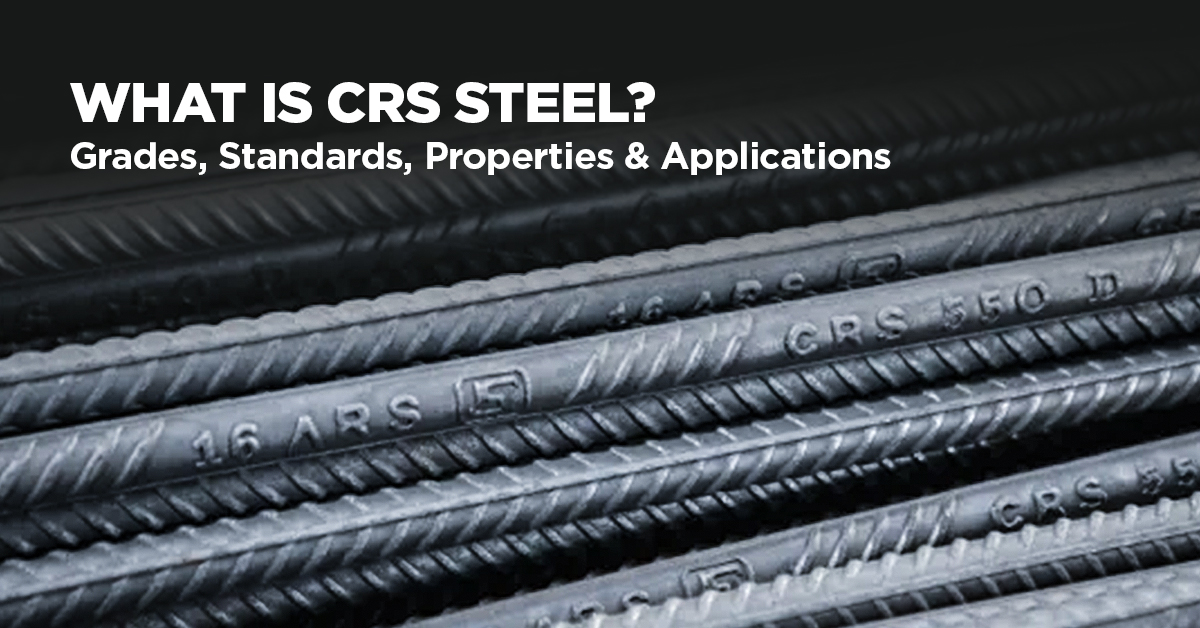
What is CRS Steel

What is CRS Steel? Understanding Grades and Quality Standards

In modern construction and infrastructure development, durability and longevity are critical. One material that has gained significant attention for its performance in harsh environments is corrosion resistant steel. Commonly referred to as CRS steel, this advanced material is engineered to withstand corrosion, making it ideal for long-term structural use. This blog will tell everything you need to know about CRS steel, including its grades, properties, standards, and applications.

What is Corrosion Resistant Steel (CRS)?

Corrosion resistant steel (CRS steel) is specially designed steel that contains alloying elements like copper, chromium, nickel, and phosphorus to enhance its resistance to rust and environmental degradation. Unlike conventional steel, CRS steel forms a protective oxide layer that prevents further corrosion, increasing its lifespan significantly.

Why Corrosion Resistance Matters in Steel

Steel structures are often exposed to moisture, chemicals, and varying weather conditions. Without protection, they corrode over time, leading to structural weakness and increased maintenance costs. Using CRS steel for construction ensures:

  • Longer service life
  • Reduced maintenance
  • Improved safety
  • Cost efficiency over time

CRS Steel Manufacturing & Protection Methods

The production of CRS steel involves precise control of alloy composition and advanced rolling processes. Some manufacturers also apply additional protective methods such as:

  • Thermo-mechanical treatment
  • Controlled cooling techniques

These processes enhance CRS steel properties, ensuring better strength and corrosion resistance.

 CRS Steel Grades

Understanding CRS steel grades is essential when selecting the right material for your project. These grades vary based on composition and performance requirements. Common classifications include:

  • Low alloy corrosion resistant grades
  • Weathering steel grades
  • High-strength CRS variants

Each of these falls under broader corrosion resistant steel grades, tailored for specific environmental conditions.

What Does “D Quality” Mean in CRS Steel?

“D Quality” in CRS steel typically refers to ductility and deformability standards. It indicates that the steel can withstand bending and shaping without cracking, making it suitable for seismic zones and complex structural designs.

CRS Steel Quality Standards and Specifications

To ensure reliability, CRS steel must meet strict corrosion resistant steel standards and CRS steel specifications. These standards define:

  • Chemical composition
  • Mechanical strength
  • Corrosion resistance levels
  • Testing procedures

Adhering to these ensures consistency and safety in construction projects.

CRS Steel in Infrastructure – NHAI Guidelines

In India, infrastructure authorities emphasize the use of durable materials. Guidelines encourage the use of CRS steel for construction, especially in highways, bridges, and coastal projects, where corrosion risk is high. This has increased demand among CRS steel manufacturers India.

How to Identify High-Quality CRS Steel

When selecting CRS steel, consider the following:

  • Certification as per recognized corrosion resistant steel standards
  • Verified CRS steel specifications
  • Reputable CRS steel manufacturers India
  • Consistent surface finish and uniform composition

Applications of CRS Steel

The versatility of CRS steel applications makes it a preferred choice across industries:

  • Bridges and highways
  • Coastal and marine structures
  • Industrial plants
  • Railways
  • Urban infrastructure


CRS Steel vs Regular Steel


Feature


CRS Steels


Regular Steel


Corrosion Resistance


High


Low


Maintenance


Minimal


Frequent


Lifespan


Longer


Shorter


Cost


Higher Upfront


Lower


While regular steel may seem economical initially, CRS steel proves more cost-effective in the long run.

Benefits of Using CRS Steel

Using corrosion resistant steel offers several advantages:

  • Enhanced durability
  • Reduced lifecycle cost
  • Environmental sustainability
  • Better structural integrity
  • Ideal for harsh climates

ARS Steel and ARS CRS Steel

Some advanced variants like ARS steel and ARS CRS Steel incorporate additional alloying and processing techniques to further improve corrosion resistance and mechanical performance, making them suitable for critical infrastructure projects.

Conclusion

As infrastructure demands grow, the need for durable and reliable materials becomes more important than ever. CRS steel stands out as a superior choice due to its enhanced resistance to corrosion, robust performance, and long-term cost benefits. By understanding corrosion resistant steel grades, standards, and applications, engineers and builders can make informed decisions that ensure safety, efficiency, and sustainability in construction projects.
Categories
Uncategorized

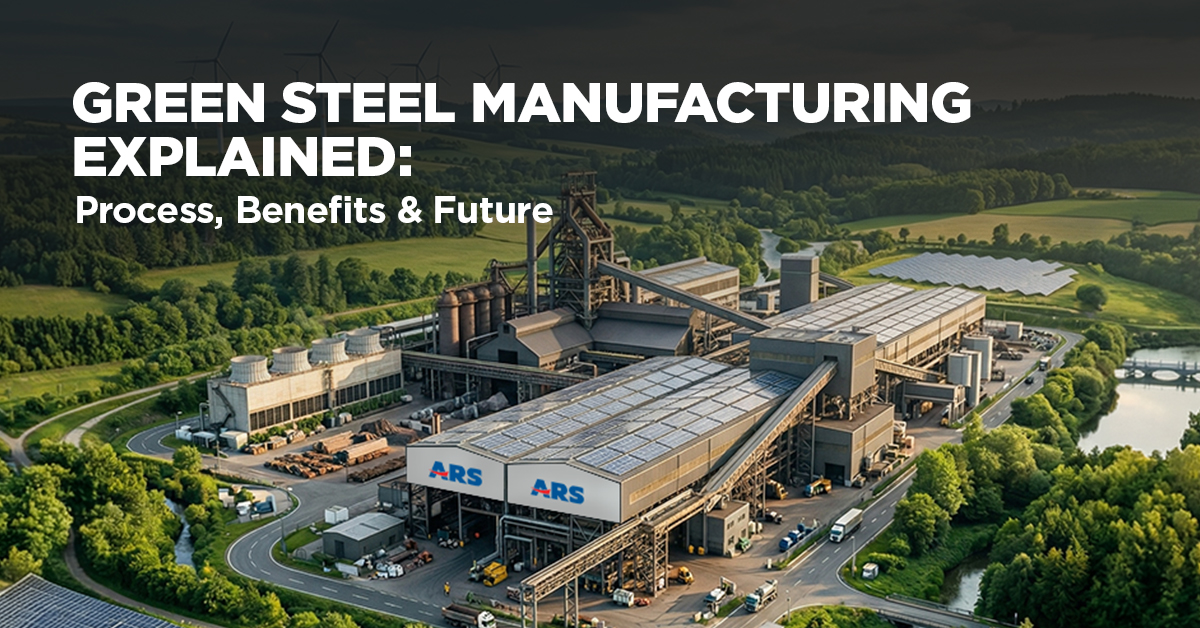
How Green Steel is Produced

How Green Steel is Produced Using Scrap Recycling and Clean Energy

The global steel industry is undergoing a major transformation as sustainability becomes a priority. Traditional steelmaking is one of the largest contributors to carbon emissions, but innovations like green steel production are changing the narrative. By combining scrap steel recycling and clean energy steel production, manufacturers are moving toward a more sustainable future.

What is Green Steel Production?

Green steel refers to steel produced with minimal environmental impact, particularly reduced carbon emissions. Unlike conventional methods that rely heavily on coal, sustainable steel manufacturing uses recycled materials and renewable energy sources to lower its carbon footprint.

The green steel process focuses on efficiency, circularity and cleaner technologies to produce high-quality steel without harming the environment.

Electric Arc Furnace (EAF) Process

At the core of green steel production is the electric arc furnace process. This method uses electricity to melt scrap steel instead of burning fossil fuels.

Key features of the EAF process:

  • Uses recycled steel as primary raw material
  • Requires significantly less energy than traditional blast furnaces
  • Produces lower CO2 emissions

This makes it a cornerstone of eco-friendly steel manufacturing.

Use of Clean Energy in Steel Manufacturing

A major factor in clean energy steel production is the shift toward renewable power sources such as:

  • Solar energy
  • Wind energy
  • Hydropower

By integrating renewable energy in steel industry operations, manufacturers can drastically cut emissions and achieve low carbon steel production. When EAFs are powered by green electricity, the environmental benefits multiply.


Step-by-Step Green Steel Production Process

  1. Collection of Scrap Steel
    Old steel products are gathered through industrial waste and recycling systems.
  2. Sorting and Preparation
    Materials are sorted to remove impurities and ensure quality input.
  3. Melting in Electric Arc Furnace
    The scrap is melted using the electric arc furnace process.
  4. Refining and Alloying
    Additional elements are added to achieve desired steel properties.
  5. Casting and Shaping
    Molten steel is cast into slabs, billets, or other forms.
  6. Finishing
    Final treatments enhance strength, durability, and usability.

This streamlined green steel process emphasizes efficiency and sustainability at every stage.

Environmental Benefits of Green Steel

The adoption of green steel production offers multiple environmental advantages:

  • Significant reduction in CO₂ emissions
  • Lower dependence on mining raw materials
  • Reduced energy consumption
  • Minimization of industrial waste

Additionally, recycled steel benefits include conserving natural resources and supporting a circular economy.


Green Steel vs Traditional Steel Production

AspectGreen SteelTraditional Steel
Energy SourceRenewable energyCoal and fossil fuels
Raw MaterialRecycled scrap steelIron ore
EmissionsLow carbonHigh carbon
SustainabilityHighLow


This comparison highlights why low carbon steel production is gaining momentum worldwide.

Challenges in Green Steel Production

Despite its benefits, sustainable steel manufacturing faces several challenges:

  • High initial investment costs
  • Limited availability of renewable energy in some regions
  • Dependence on quality scrap supply
  • Technological barriers in scaling production

Overcoming these hurdles is essential for widespread adoption of the green steel process.

Applications of Green Steel

Green steel is increasingly used across industries, including:

  • Construction and infrastructure
  • Automotive manufacturing
  • Renewable energy equipment (like wind turbines)
  • Consumer goods

Its versatility ensures that eco-friendly steel manufacturing can meet modern industrial demands without compromising sustainability.

Future of Green Steel Production

The future of green steel production looks promising as governments and industries push for carbon neutrality. Advances in technology, increased investment in renewable energy in steel industry and stricter environmental regulations are expected to accelerate adoption.

Innovations like hydrogen-based steelmaking and smarter recycling systems will further enhance clean energy steel production.

Conclusion


The transition to green steel marks a crucial step towards a more sustainable industrial future. By leveraging scrap steel recycling, the electric arc furnace process and clean energy steel production, the steel industry can significantly reduce its environmental impact.

As technology evolves and awareness grows, sustainable steel manufacturing will likely become the global standard paving the way for cleaner, greener development across industries.

Categories
Uncategorized

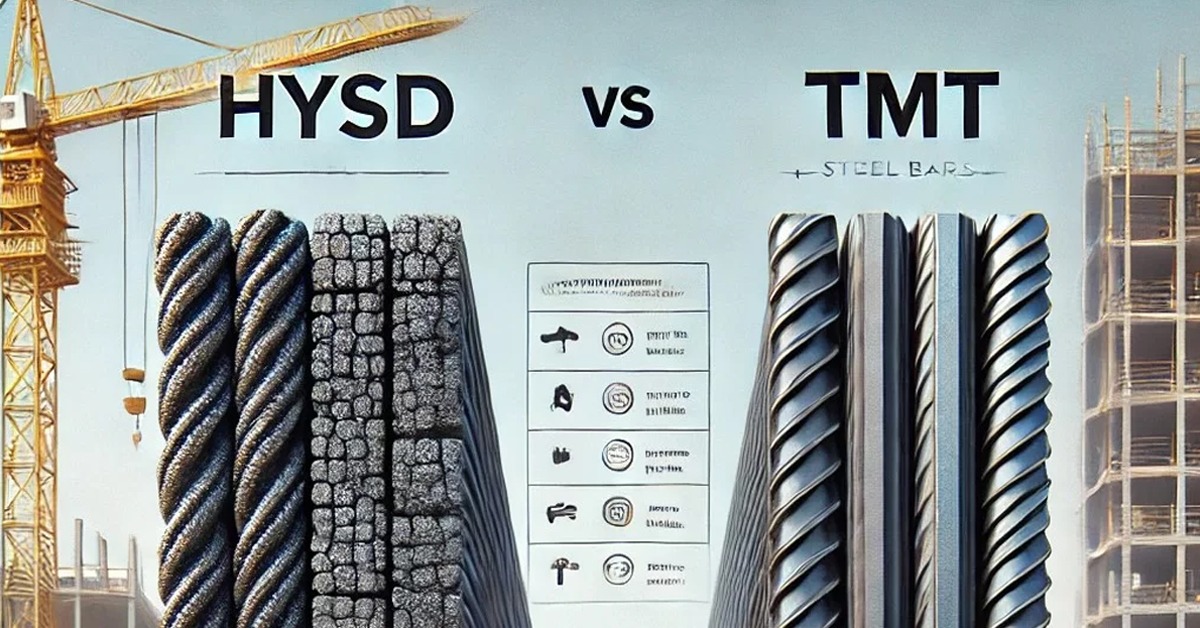
TMT Bars vs HYSD Bars

TMT Bars vs HYSD Bars: Which Is Better for Your Project?

The materials used in construction play a pivotal role in ensuring the long-term strength and durability of a structure. Among these materials, steel bars hold immense importance as they provide the necessary reinforcement and tensile strength to concrete structures. In today’s market, the most used types of steel bars are TMT bars, HYSD bars, and TOR steel bars.

Choosing the right type of steel is crucial it directly affects the strength, safety, and cost-effectiveness of your project. Let’s explore the differences between these steel types and find out which is best suited for your construction needs.

What are HYSD Bars?

HYSD bars (High Yield Strength Deformed steel bars) are known for their high tensile strength and flexibility. They are manufactured through a process where steel is hot-rolled and then cold-twisted, which enhances their yield strength.

HYSD Bar Properties:

  • High tensile and yield strength
  • Good ductility
  • Used in large-scale projects like bridges, high-rise buildings, and industrial structures

However, due to the cold twisting process, HYSD bars tend to have residual stresses, making them more prone to corrosion and surface cracks compared to TMT bars.

What are TMT Bars?

TMT bars (Thermo-Mechanically Treated bars) are a newer and more advanced type of reinforcement steel. They are produced using the Thermax process, where the steel undergoes rapid water quenching after rolling. This process creates a strong outer surface and a soft, ductile inner core, giving the bars exceptional strength and flexibility.

 TMT Bar Properties:

  • High tensile and yield strength
  • Excellent corrosion and earthquake resistance
  • Superior bonding with concrete
  • Great bendability and weldability

 TMT vs HYSD Bars: Key Differences

FactorsTMT BarsHYSD Bars
Manufacturing ProcessThermo-Mechanically Treated using water quenchingHot-rolled and cold-twisted
Strength and DuctilityHigh tensile strength with a soft coreStrong but less ductile
Corrosion ResistanceExcellent due to low residual stressProne to rusting and surface cracks
Torsional StressNo twisting, hence, no torsional stressCold twisting causes internal stress
Energy EfficiencyWater quenching reduces energy useRequires more mechanical processes
Material Consumption4–6% less steel requiredSlightly higher steel consumption
AffordabilityMore budget-friendlyComparatively expensive


Advantages of TMT Bars

  • High Strength and Durability: The unique manufacturing process ensures that TMT bars have high tensile and yield strength.
  • Earthquake Resistance: Their flexibility allows them to absorb seismic shocks, making them ideal for earthquake-prone zones.
  • Corrosion Resistance: Controlled chemical composition prevents rust and extends structure life.
  • Economical: Due to lower material consumption and high strength, TMT bars are a cost-effective choice.
  • Easy Workability: Their high bendability and weldability make construction faster and easier.


Limitations of HYSD Bars

While HYSD bars were once the industry standard, they have some drawbacks:

  • Prone to Corrosion: Cold twisting introduces residual stress, leading to cracks and rusting.
  • Less Ductility: They are stiffer and less flexible than TMT bars.
  • Reduced Lifespan: Over time, exposure to environmental conditions can degrade their strength.

Which is Better for Your Project?

If you are planning a modern construction project, TMT bars are undoubtedly the better option. Their superior strength, flexibility, and corrosion resistance make them suitable for residential buildings, commercial complexes, bridges, and highways.

HYSD bars can still be used for certain industrial applications, but TMT bars provide better overall performance, safety, and cost efficiency.

Factors to Consider Before Choosing Steel Bars

When selecting the best steel bars for construction, consider the following:

  • Type of structure (residential, commercial, or industrial)
  • Environmental conditions (humidity, salinity, temperature)
  • Budget and availability
  • Required strength and flexibility

Conclusion


Both TMT and HYSD steel bars are widely used in construction, but TMT bars clearly offer better performance and longevity. They are stronger, more ductile, corrosion-resistant, and economical, making them the best steel bars for construction projects today.

If you’re looking for reliable steel bars, ARS Steel is one of the leading TMT bar manufacturers, known for producing high-quality and durable TMT bars suitable for all types of structures.

Categories
Uncategorized

House Construction Process in India

Step-by-Step House Construction Process in India

Building a home is one of the most exciting yet challenging endeavors, especially in a country like India where diverse construction methods, materials, and legal requirements come into play. Whether you’re building a small cottage or a multi-story building, understanding the house construction process is crucial. This blog takes you through the comprehensive step-by-step house construction process in India, from planning to the final touches.

Understanding the House Construction Process in India

House construction in India involves multiple stages, each of which plays a vital role in ensuring the structure is strong, safe, and long-lasting. It requires proper planning, technical expertise, skilled labor, and the right materials. While the steps might slightly differ depending on location, local building codes, and personal preferences, the overall construction process follows a standard sequence.

Pre-Construction Stage: Planning & Approvals

The pre-construction stage is crucial as it sets the foundation for the entire project. It involves the following steps:

  • Site Selection & Survey: Choose a plot of land that fits your needs and conduct a site survey to assess the soil quality, terrain, and other environmental factors.
  • Architectural Design: Hire a qualified architect to design the layout of your house. The design should adhere to local building codes, aesthetics, and functionality.
  • Legal Approvals: Before construction begins, you need to obtain approval from local municipal authorities. This includes the sanctioning of building plans, layout, water, electricity connections, and environmental clearances.
  • Budgeting & Planning: Set a realistic budget and timeline. Factor in costs for labor, materials, permits, and contingencies.


Foundation Work: Base of a Strong House

The foundation is the most crucial part of any structure. It transfers the weight of the house to the ground. The type of foundation (slab, column, or raft) depends on the soil conditions and the design of the house. The process involves:

  • Excavation: Digging the soil to the required depth.
  • Pouring Concrete: Cement, sand, and aggregates are mixed and poured to form a solid base.
  • Reinforcement with TMT Bars: TMT (Thermo-Mechanically Treated) bars are used for reinforcing the foundation. These bars provide the required tensile strength and durability, making the foundation strong and resistant to cracking.

Best TMT Bars for House Construction

When it comes to foundation work, it’s important to use the highest quality TMT bars. Look for TMT bars that are corrosion-resistant and have high ductility. The bars should conform to IS 1786 standards to ensure reliability and strength.

Plinth Beam & Ground Floor Slab Construction

Once the foundation is ready, the next step is the construction of the plinth beam and ground floor slab. The plinth beam helps to transfer the load from the walls and columns above to the foundation below. The process includes:

  • Plinth Beam Construction: Steel bars (TMT bars) are placed, and concrete is poured to form the plinth beam.
  • Ground Floor Slab: The ground floor slab is built using RCC (Reinforced Cement Concrete). It forms the base for the walls and upper floors.

TMT Bar for Foundation and Slab

For both plinth beams and slabs, ensure that high-quality TMT bars like Fe 550D steel are used. These bars provide strength and prevent the development of cracks.

Superstructure Construction (Columns, Beams & Slabs)

The superstructure involves constructing the vertical and horizontal load-bearing components of the building, including columns, beams, and slabs. This stage gives shape to your home and supports the weight of the upper floors and roof.

  • Column Construction: Vertical support structures made of RCC are reinforced with TMT bars. These bars help carry the weight of the building and provide stability.
  • Beam Construction: Beams are placed horizontally to distribute the load from the columns. Steel reinforcement is crucial for the beam’s strength.
  • Slab Construction: Slabs are cast on top of beams to create floors. Reinforced slabs made with TMT bars ensure durability.

ARS Steel

For beams and columns, it’s important to use ARS Steel, which is known for its high strength and durability. It provides the necessary reinforcement to handle the load-bearing requirements.

Brickwork & Masonry

Once the superstructure is ready, the next step is brickwork or masonry. This step involves:

  • Building Walls: Bricks or concrete blocks are used to construct the walls. Masonry work requires precision and quality control to ensure the walls are plumb and level.
  • Reinforcement: Steel reinforcement in the walls adds strength and ensures the structure can handle seismic loads, especially in earthquake-prone regions.

TMT Steel for Brickwork

TMT bars are often used in brickwork, especially for load-bearing walls. These bars ensure that the brickwork can bear the weight of the upper floors and provide additional tensile strength.

Roofing & Staircase Construction

The roof and staircase are the essential elements of a building’s structure:

  • Roofing: Depending on the design, roofing can be flat, sloped, or a combination. Materials like RCC slabs, tiles, or sheets are used to construct the roof.
  • Staircase: Whether it’s a straight, spiral, or circular staircase, it is constructed using RCC or precast slabs reinforced with steel bars.

Fe 550D Steel for Roofing & Staircases

For roofing and staircases, Fe 550D steel provides the necessary tensile strength, preventing cracks and ensuring long-term stability.

Electrical, Plumbing & MEP Work

This stage involves setting up all the electrical, plumbing, and mechanical systems in your home. It includes:

  • Electrical Wiring: Proper wiring must be done in compliance with safety codes. Electrical points, switches, and sockets are planned.
  • Plumbing: Water supply lines, drainage systems, and sanitary fittings are installed.
  • Mechanical, Electrical, and Plumbing (MEP): MEP systems ensure that your home is functional with heating, ventilation, and air conditioning (HVAC), fire safety, and other utilities.

Plastering, Flooring & Finishing Works

After the basic structure is complete, the finishing work begins:

  • Plastering: Walls and ceilings are plastered to smoothen the surface.
  • Flooring: Tiles, marble, or wood flooring is laid as per the design.
  • Painting: Both interior and exterior walls are painted with the desired colors.
  • Window & Door Fittings: Finally, windows, doors, and other hardware like railings are installed.

Painting & Exterior Finishes

Exterior finishes are just as important as interior ones, as they provide the first impression of your home. The exterior is painted with weather-resistant paints to enhance aesthetics and protect the building from environmental elements.

Quality Checks & Final Inspection

Before moving into your new home, a thorough quality check is necessary to ensure everything is up to code and there are no structural issues. This includes checking:

  • The alignment and level of walls and floors.
  • Proper functioning of plumbing, electrical, and HVAC systems.
  • Structural integrity of beams, columns, and slabs.

Cost Factors in House Construction in India

House construction costs in India vary based on location, materials, labor costs, and design complexity. Here are the main cost factors:

  • Material Costs: The cost of cement, steel (TMT bars), bricks, etc., varies. TMT bars, for instance, can significantly affect the overall cost of construction.
  • Labor Costs: Skilled labor, like masons, electricians, and carpenters, forms a significant portion of the cost.
  • Legal & Approval Fees: Obtaining the necessary permits and approvals also incurs costs.
  • Contingency Costs: It’s always wise to have a contingency budget for unexpected expenses.

Why TMT Bars Are Crucial in House Construction

TMT bars are the backbone of any construction project. They offer several benefits, such as:

  • High Strength: TMT bars offer superior tensile strength, making them ideal for load-bearing structures like beams, columns, and foundations.
  • Corrosion Resistance: TMT bars are designed to resist corrosion, ensuring the longevity of your home.
  • Earthquake Resistance: Their ductility makes them ideal for withstanding seismic forces, especially in earthquake-prone regions.

How to Choose the Right TMT Bars for Your Home

Choosing the right TMT bars is crucial for the safety and longevity of your home. Consider the following:

  • Grade of Steel: TMT bars come in various grades like Fe 415, Fe 500, Fe 550D, etc. Choose based on your structural requirements.
  • Corrosion Resistance: Look for TMT bars that offer good corrosion resistance.
  • Brand Reputation: Choose reputed brands known for quality and reliability.

Common House Construction Mistakes to Avoid

Avoid these common mistakes to ensure a smooth construction process:

  • Poor Site Selection: Ensure the land is suitable for construction.
  • Incorrect Material Selection: Always use quality materials like TMT bars and cement.
  • Skipping Approvals: Failing to obtain the necessary approvals can lead to legal troubles.
  • Over- or Under-Budgeting: Be realistic about costs and timelines.

Conclusion


Building a house in India is a comprehensive and meticulous process, requiring careful planning, skilled labor, and quality materials. By understanding each stage of construction, you can make informed decisions and avoid common pitfalls. Whether it’s choosing the right.

Categories
Uncategorized

Corrosion Resistant TMT Bars

Corrosion-Resistant TMT Bars for Coastal and Rainy Regions

While constructing buildings in coastal and rainy areas, corrosion is the major concern. Regular steel can quickly degrade when exposed to moisture and salt, weakening structures. In such circumstances corrosion- resistant steel? (CRS) like ARS 550D CRS TMT bars, becomes essential.

What is Steel?

Steel is an alloy of both iron and carbon, commonly used in construction for strength. However, steel is prone to corrosion when it is exposed to moisture and salt, which can lead to deterioration and rusting over time.

What is Corrosion-Resistant Steel (CRS)?

Corrosion- resistant steel is made to resist rusting caused by water, salt and other environmental factors. By integrating elements like chromium and copper, CRS steel forms a protective layer that prevents corrosion, making it ideal for coastal and rainy regions.

Why CRS Steel is Vital for Coastal and Rainy Regions

In coastal areas, saltwater and humidity accelerate the corrosion of regular steel, causing it to weaken and degrade. Similarly, heavy rainfall and high moisture levels in other regions also pose a risk. ARS 550D CRS TMT bars are designed to withstand these harsh conditions, offering superior corrosion resistance and ensuring that structures stay strong for longer with less maintenance.

In coastal areas, saltwater and humidity increases corrosion of regular steel, causing it to weaken and degrade. Similarly, heavy rainfall and high moisture levels in

ARS 550D CRS Steel Bars: A Superior Choice

ARS 550D CRS TMT bars are high-quality steel bars designed for demanding environments. Here’s why they’re ideal for construction in coastal and rainy regions:

  1. High Strength: The 550D grade ensures the bars have excellent tensile strength, making them suitable for large and heavy structures.
  2. Corrosion Resistance: These bars have a high resistance to rust, even in salty and humid conditions, ensuring a long-lasting structure.
  3. Flexibility: Despite being strong, they remain flexible enough to resist seismic forces and other stresses.
  4. Reduced Maintenance: CRS bars reduce the need for frequent repairs, making them cost-effective in the long term.

The Role of TMT Bars

TMT (Thermo-Mechanically Treated) bars are essential in concrete construction, reinforcing structures by providing tensile strength. In regions with high moisture or seismic activity, TMT bars like ARS 550D improve durability, safety, and stability.

Key Specifications for Coastal and Rainy Region Construction

  1. Tensile Strength: ARS 550D offers 550 MPa tensile strength, ensuring high load-bearing capacity.
  2. Corrosion Resistance: Specifically designed to handle harsh, salty environments without rusting.
  3. Ductility: These bars are flexible, helping them withstand seismic forces and environmental shifts.

Conclusion


In coastal and rainy regions, using ARS 550D CRS TMT bars ensures that buildings remain strong and durable in the face of corrosion. These corrosion-resistant bars minimize maintenance costs and enhance the overall lifespan of the structure, making them a smart choice for builders in harsh climates.

Categories
Uncategorized

Why Green Steel Matters

Why Green Steel Matters for a Sustainable Future

The Role of Steel in a Sustainable Future

Steel is the backbone of modern infrastructure. From buildings and bridges to automobiles and renewable energy systems, steel plays a critical role in economic development and urban growth. However, traditional steelmaking is one of the largest industrial sources of carbon emissions globally. As the world shifts toward decarbonization, the transition to sustainable steel is no longer optional it is essential.

The push for climate resilience and environmental responsibility has accelerated the need for green steel sustainability, making steel production cleaner, smarter, and more efficient.

What Is Green Steel and Why It’s Different

Green steel refers to steel produced using environmentally friendly methods that significantly reduce carbon emissions compared to conventional blast furnace processes. Instead of relying heavily on coal, green steel production often uses renewable energy, hydrogen-based reduction processes, or electric arc furnaces powered by clean electricity.

Unlike traditional steelmaking, sustainable steel production focuses on minimizing greenhouse gas emissions, reducing water usage, and incorporating recycled materials. This results in low carbon steel that meets performance standards while drastically lowering environmental impact.

Environmental Impact of Traditional Steel Production

Conventional steel production contributes nearly 7–9% of global CO₂ emissions. The use of coke in blast furnaces releases significant carbon dioxide, while mining and transportation further increase the environmental footprint.

The environmental concerns include:

  • High carbon emissions
  • Air pollution and particulate matter
  • Intensive water consumption
  • Large-scale energy use from fossil fuels

These impacts highlight the urgent need to transition toward green steel as part of a broader sustainability strategy.

How Green Steel Supports Climate Goals

Global climate agreements such as the Paris Agreement aim to limit global warming to well below 2°C. Achieving this target requires deep decarbonization of heavy industries, including steel.

By adopting hydrogen-based direct reduced iron (DRI) processes and renewable-powered electric arc furnaces, green steel sustainability directly contributes to carbon neutrality goals. Low carbon steel helps industries reduce Scope 3 emissions, particularly in construction, automotive, and infrastructure projects.

Governments worldwide are encouraging sustainable steel production through policy incentives, carbon pricing, and green procurement standards.

Benefits of Green Steel for a Sustainable Future

The benefits of green steel extend beyond emission reductions:


  1. Lower Carbon Footprint – Significant reduction in CO₂ emissions compared to conventional steel.
  2. Energy Efficiency – Greater reliance on renewable energy sources.
  3. Resource Optimization – Increased use of scrap and recycled materials.
  4. Improved Brand Value – Companies using sustainable steel enhance ESG performance.
  5. Long-Term Cost Stability – Reduced exposure to carbon taxes and fossil fuel volatility.

By integrating green steel applications into mainstream industries, businesses can future-proof operations and meet sustainability commitments.

Economic and Industry Impact of Green Steel

The future of green steel is closely tied to economic transformation. As global demand for low-carbon materials grows, early adopters will gain competitive advantages.

In emerging economies, especially green steel in India, the shift presents enormous potential. India is one of the largest steel producers globally, and investment in renewable energy infrastructure positions it well to lead in sustainable innovation. The rise of a green steel manufacturer in India reflects both policy support and increasing demand from global markets seeking low-carbon supply chains.

Transitioning to sustainable steel production also creates new jobs in clean energy, hydrogen technology, and advanced manufacturing.

Applications Driving Demand for Green Steel

The demand for green steel applications is rapidly expanding across industries:

Green Steel in Construction

The construction sector is one of the largest consumers of steel. Green steel in construction helps developers achieve green building certifications such as LEED and BREEAM while reducing embodied carbon in infrastructure projects.

Automotive Industry

Automakers are integrating low carbon steel into vehicle manufacturing to reduce lifecycle emissions.

Renewable Energy

Wind turbines, solar mounting structures, and electric vehicle infrastructure increasingly rely on sustainable steel.

Infrastructure and Public Projects

Governments are prioritizing green procurement policies, accelerating the use of green steel in bridges, railways, and urban development.

The Future of Green Steel in a Low-Carbon World

The future of green steel is promising but requires collaboration between governments, manufacturers, and industries. Scaling hydrogen production, investing in renewable energy, and building supportive policy frameworks will determine the pace of adoption.

With growing awareness around climate change and stricter environmental regulations, green steel sustainability will become a defining factor in global trade and industrial competitiveness.

Countries like India are positioned to become leaders in this transformation. The growth of green steel in India and the emergence of innovative green steel manufacturers in India signal a shift toward a more resilient and environmentally responsible steel industry.


Conclusion


Green steel is not just an industrial innovation it is a necessity for achieving global climate goals. By reducing carbon emissions, supporting sustainable development, and driving economic growth, sustainable steel production plays a crucial role in shaping a cleaner future.

As industries embrace green steel applications and governments strengthen climate commitments, the transition to low carbon steel will redefine the global steel market. The path forward is clear: investing in green steel today ensures a stronger, more sustainable tomorrow.

Categories
Uncategorized

What is Green Steel

What is Green Steel? A Simple Guide for Beginners

Introduction to Green Steel

Steel is the backbone of modern infrastructure, used in construction, transportation, energy, and manufacturing. However, traditional steel production is one of the largest contributors to global carbon emissions. Green steel aims to change that by offering the same performance as conventional steel while significantly reducing pollution.

As industries around the world shift toward cleaner and more sustainable manufacturing, the steel sector is going through a major transformation. One term gaining rapid attention is green steel. But what does it really mean, and why does it matter?

What Is Green Steel?

Green steel refers to steel produced using low-carbon or carbon-free steel production processes. Unlike traditional methods that rely heavily on coal and coke, green steel uses cleaner technologies to minimize or eliminate carbon emissions.

In simple terms, green steel delivers the same strength, durability, and quality as conventional steel but with a much smaller carbon footprint.

How Is Green Steel Made?

There are several innovative methods used in green steel production, including:

  1. Hydrogen-Based Steelmaking

Instead of coal, green hydrogen is used to remove oxygen from iron ore. The main byproduct is water vapor, not carbon dioxide, making this process nearly carbon-free.

  1. Electric Arc Furnaces (EAF)

EAFs melt recycled steel using electricity. When powered by renewable energy sources like solar or wind, this method greatly reduces carbon emissions.

  1. Carbon Capture and Storage (CCS)

CCS technology captures CO₂ emissions before they reach the atmosphere and stores them safely underground, reducing the environmental impact of steelmaking.

These processes together support low carbon steel production and help industries meet sustainability targets.

Difference Between Green Steel and Conventional Steel

AspectGreen SteelTraditional Steel
Carbon EmissionsVery low or near-zeroHigh CO₂ emissions
Energy SourceRenewable energy, hydrogenCoal and fossil fuels
Environmental ImpactEco-friendly & Environment sustainableEnvironmentally harmful
PerformanceSame strength & durabilitySame strength & durability


The key difference is not quality but how the steel is made.

Why Is Green Steel Important?

Traditional steel production accounts for 7–9% of global carbon emissions, making it a major contributor to climate change. As regulations tighten and sustainability becomes a priority, industries need cleaner alternatives.

Green steel is important because it:

  • Reduces carbon emissions
  • Supports global climate goals
  • Helps industries comply with future regulations
  • Enhances brand sustainability and ESG performance

Benefits of Green Steel

Some of the key benefits of green steel include:

  • Lower carbon footprint
  • Reduced environmental damage
  • Supports sustainable construction and manufacturing
  • Improves corporate sustainability credentials
  • Long-term cost efficiency as clean energy scales
  • Future-proofs businesses against stricter environmental laws

These low carbon steel benefits make green steel a smart investment for the future.

Applications of Green Steel

Green steel can be used anywhere conventional steel is used, including:

  • Construction and infrastructure
  • Automotive and transportation
  • Renewable energy projects
  • Industrial manufacturing
  • Green buildings and smart cities

Its versatility makes green steel in construction and manufacturing increasingly popular.

Challenges in Green Steel Production

Despite its advantages, green steel faces some challenges:

  • High initial investment costs
  • Limited availability of green hydrogen
  • Need for renewable energy infrastructure
  • Scaling production to meet global demand

However, rapid technological advancements are steadily overcoming these barriers.

Green Steel in India and the Global Market

India has the potential to become a global leader in green steel production, supported by renewable energy growth, policy initiatives, and innovation from responsible manufacturers like ARS Steels.

Globally, countries are investing heavily in eco-friendly steel solutions. In India, the push toward decarbonization and renewable energy is driving interest in green steel manufacturing.

At ARS Steels, we believe that understanding sustainable steel is the first step toward building a greener future. This beginner-friendly guide explains everything you need to know about green steel its meaning, production process, benefits, and future potential.

Future of Green Steel

Green steel is not just a trend it represents the future of the steel industry. As renewable energy becomes more affordable and technologies mature, green steel will become more accessible and cost-effective.

At ARS Steels, we are committed to innovation, quality, and responsible manufacturing. By embracing sustainable steel solutions, we aim to support our customers while contributing to a cleaner, healthier planet.

Final Thoughts


Green steel marks a major step forward in sustainable industrial development. By reducing carbon emissions without compromising performance, it helps build a future where economic growth and environmental responsibility go hand in hand.

If you’d like to learn more about green steel, sustainable steel solutions, or how ARS Steels is contributing to a low-carbon future, feel free to get in touch with us.

Categories
Uncategorized

What is Column Reinforcement

What Is Column Reinforcement? A Beginner’s Guide

If you are new to construction or civil engineering, you may often wonder: “What is column reinforcement?” or “Why is reinforcement needed in columns?” Columns are the backbone of any structure, and their strength directly affects a building’s safety and durability.

What Is Column Reinforcement in Construction?

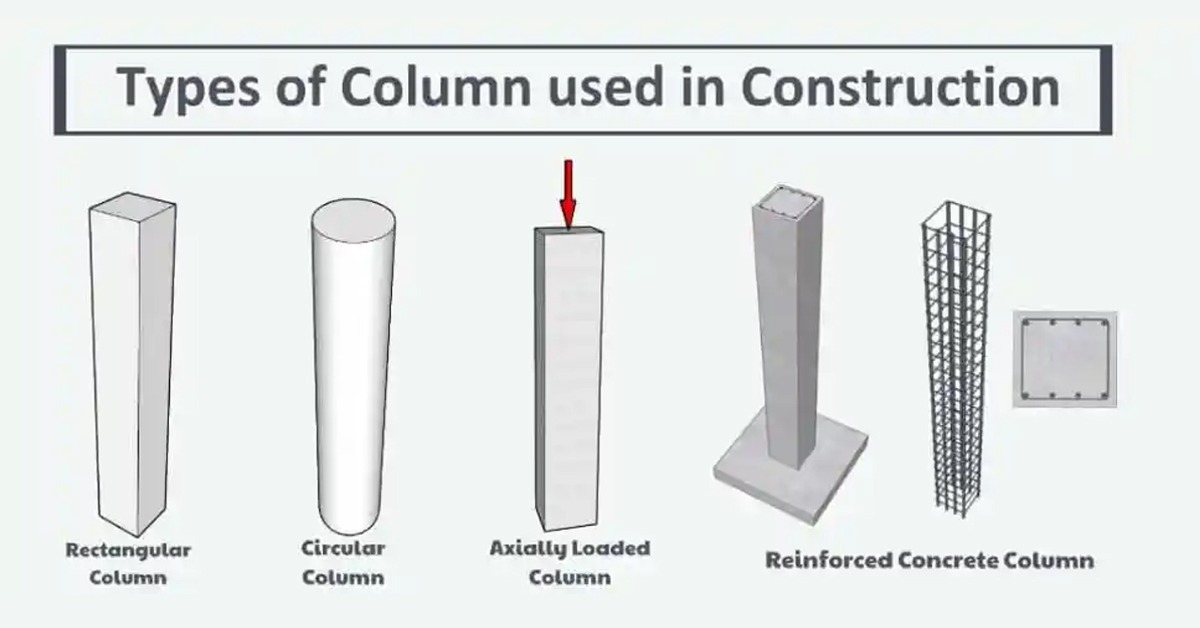
Column reinforcement refers to the placement of steel bars (reinforcement bars) inside a concrete column to increase its load-bearing capacity. Concrete is strong in compression but weak in tension that’s where steel comes in. When combined, they form a reinforced concrete column, often called an RCC column, capable of resisting compression, tension, shear, and bending forces.

Why Is Reinforcement Needed in Columns?

Reinforcement in columns is essential because:


  1. Concrete alone cannot handle tensile stresses.
  2. Columns transfer loads from slabs and beams to the foundation.
  3. Steel bars provide ductility, preventing collapse during earthquakes.
  4. Reinforcement helps in controlling cracking and improving long-term durability.

This is why engineers use TMT steel bars, especially high-grade ones like ARS TMT bars, known for strength, flexibility, and corrosion resistance.

Types of Column Reinforcement

Reinforcement in columns is generally of two types:


  1. Longitudinal Reinforcement

These are the vertical reinforcement bars in a column. They help the column resist direct loads and bending forces.

  1. Transverse Reinforcement

Also known as ties, stirrups, or hoops.
Their purpose is to:

  • Prevent buckling of longitudinal bars
  • Improve confinement of the concrete
  • Enhance earthquake resistance

Together, these form the column reinforcement details needed in every RCC column.

Minimum Reinforcement in Column

According to IS 456 (or similar codes globally):

  • Minimum percentage of steel in a column = 0.8% of total cross-sectional area
  • Maximum percentage = 6% of area (practically kept around 4%)
  • Minimum number of longitudinal bars = 4 bars in rectangular, 6 bars in circular columns

Using high-quality bars like ARS TMT bars ensures safety and durability even with minimum reinforcement limits.

Step-by-Step Guide to Column Reinforcement

Here is how to reinforce a concrete column on-site:


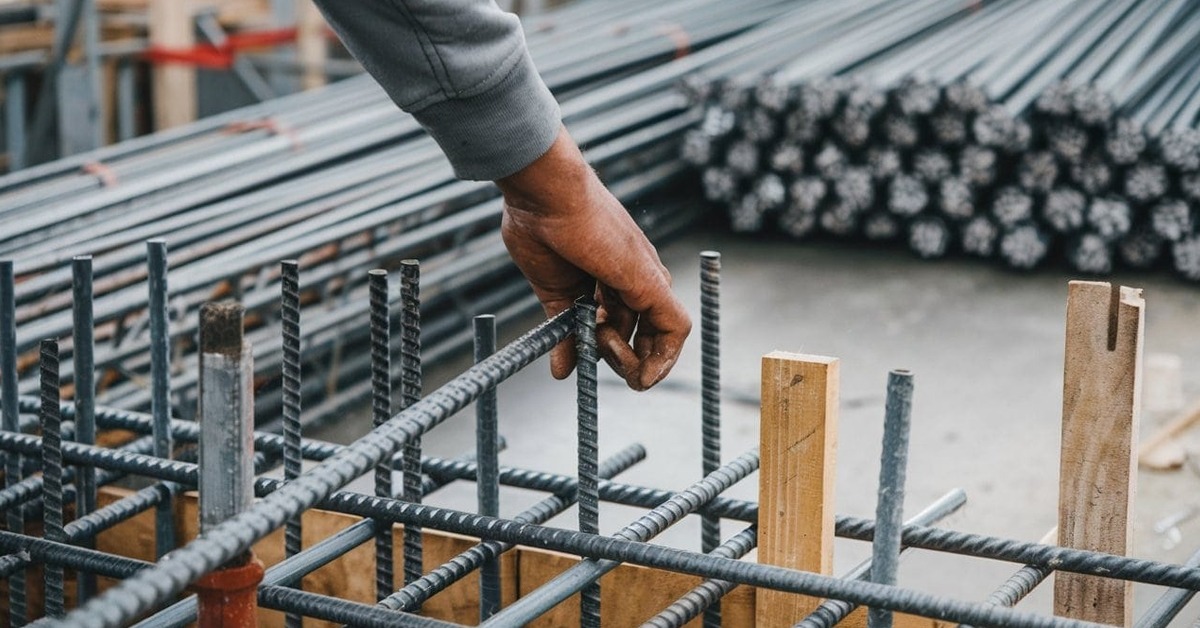
Step 1: Prepare Reinforcement Cage


  • Cut longitudinal bars as per length
  • Cut and bend ties
  • Assemble using binding wire

Step 2: Maintain Proper Cover


Use spacers or cover blocks to ensure 40–50 mm concrete cover.

Step 3: Fix Reinforcement Bars in Position


  • Place the reinforcement bars in column vertically
  • Ensure alignment and spacing
  • Fix ties at specified intervals (closer spacing near top & bottom)

Step 4: Install Formwork


Check verticality (plumb) before concreting.

Step 5: Pour Concrete


  • Use vibrator for compaction
  • Prevent honeycombing
  • Cure properly for at least 7 days

This completes the basic how to reinforce a concrete column process.

Difference Between Column and Beam Reinforcement

AspectColumn ReinforcementBeam Reinforcement
Primary loadsCompressionBending & shear
Bar layoutVertical bars + tiesTop, bottom, and shear links
Failure modeBuckling/CompressionFlexural failure


Ties used for Confinement Stirrups mainly for Shear

Columns are compression members, while beams are flexural members hence their reinforcement patterns differ significantly.

Common Mistakes in Column Reinforcement

Avoid these frequent errors:


  1. Improper spacing of ties → leads to bar buckling
  2. Insufficient lap length
  3. Using low-quality steel instead of certified TMT bars like ARS TMT bar
  4. Incorrect cover distance → causes corrosion
  5. Misalignment of vertical bars
  6. Improper welding or binding of ties

These mistakes compromise safety and can lead to structural failure.

Conclusion


Column reinforcement is one of the most critical elements of RCC construction. With proper design, correct steel selection such as high-quality TMT steel bars and attention to reinforcement details, you can ensure strong, durable reinforced concrete columns that stand the test of time.

Categories
Uncategorized

What is Centering in Construction

What is Centering Work in Construction: A Simple Guide

When you visit a construction site you might come across temporary supports holding up a slab, beam or arch while concentrating. This is known as centering work a critical process in ensuring concrete structures take shape safely and accurately.

What is Centering in Construction?

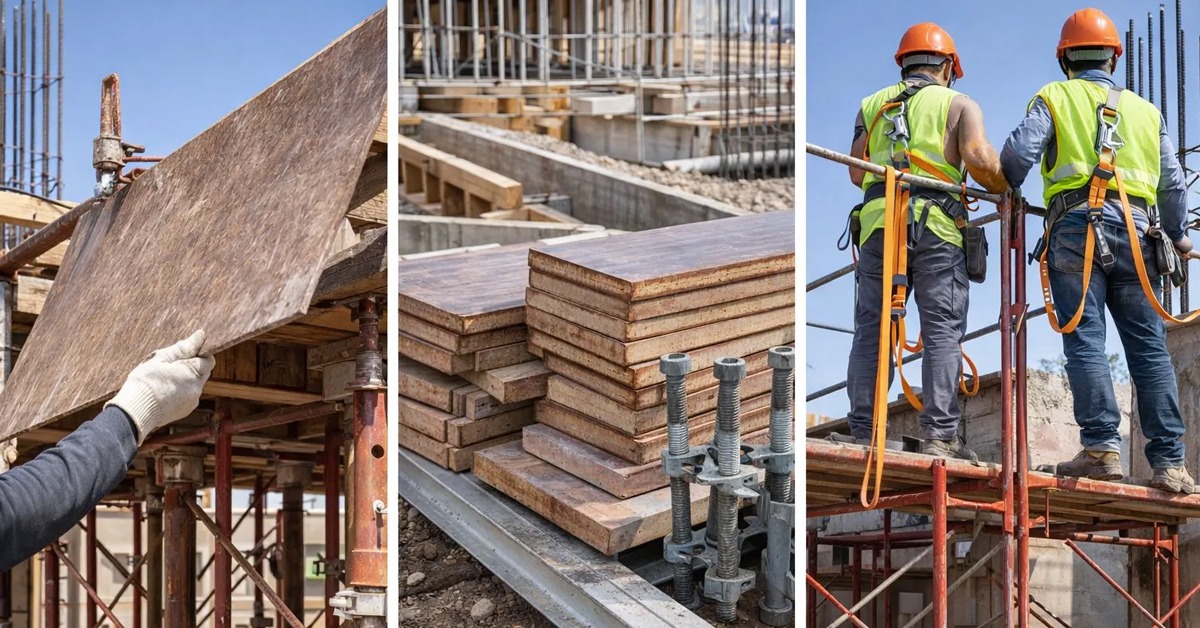
Centering in construction is the temporary support system used to hold up horizontal structures like slabs, beams, domes and arches while concrete is being poured and sets. This ensures that structural elements cure the right position and dimensions. Once the concrete gains sufficient streght the centering is removed.

Importance of Centering in Construction

The importance of centering in construction cannot be overstated. It is essential for:

  • Structural Support: It supports the weight of wet concrete until it becomes strong enough to support itself.
  • Accurate Shape and Alignment: Ensures beams, slabs, and arches form precisely as designed.
  • Construction Safety: Prevents structural failures during curing, protecting workers and the site.
  • Surface Quality: Helps achieve a smooth and uniform finish on the concrete surface.

Proper centering can save time, money, and avoid rework caused by structural defects.

Types of Centering in Construction

There are several types of centering in construction, each suited to specific needs depending on project size, design, and materials.

  1. Timber Centering

Wooden planks and beams are used in timber centering. It’s easy to work with and is also commonly used in small-scale construction and projects where cost is a concern. It is less durable and usually not reusable for many cycles.

  1. Steel Centering

Steel centering is built using steel props, pipes and adjustable spans. It’s ideal for larger projects or where the strength is higher. Steel components are strong, long-lasting and offer better performance in safety and precision.

  1. Reusable Centering

Reusable centering combine steel and durabale materials. These are designed to be used across multiple projects, reducing material waste and long-term costs. They’re ideal for large-scale jobs.

Centering Work Materials

Choosing the right centring work materials is important for safety and efficiency. Common materials include:

  • Timber – for basic, single-use centering.
  • Steel Props and Pipes – for adjustable and strong support.
  • Plywood Sheets – to form the concrete surface.
  • Spans and Beams – for longer structural support.
  • Fasteners and Ties – to secure the centering system.

The right combination depends on the design load, type of structure, and project budget.

Conclusion


To conclude, it is very important to understand what is centering in construction and helps appreciate its role in ensuring safety, strength and accuracy in construction. From timber centering in simple builds to steel centering in high-rise projects, every form of centering plays a vital role in shaping concrete structures. By selecting the right types of centering in construction and using quality centring work materials, contractors can improve efficiency, safety, and the overall outcome of a project.

Categories
Uncategorized

Bar Bending Schedule

What is a Bar Bending Schedule and Why it is Important in Construction

In reinforced cement concrete (RCC) construction, steel reinforcement plays a crucial role in providing strength and durability to structures. Managing this reinforcement efficiently requires accurate planning and documentation, which is achieved through a Bar Bending Schedule (BBS). A bar bending schedule is an essential construction document that ensures proper placement, quantity, and cutting of reinforcement steel.

Meaning and Definition of Bar Bending Schedule

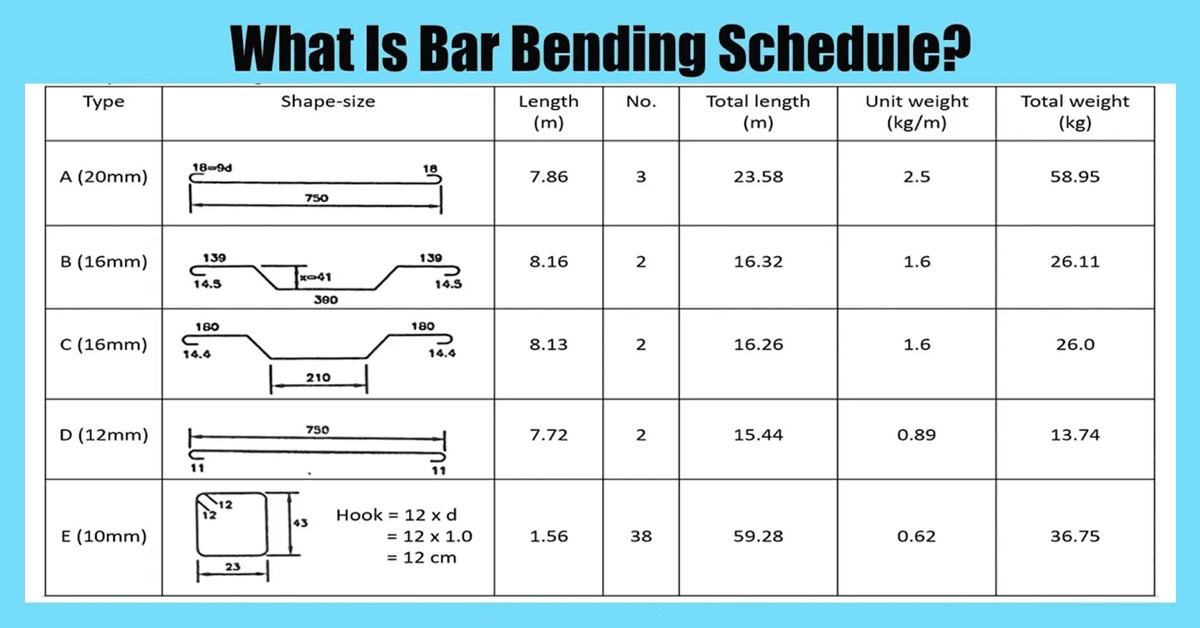
A Bar Bending Schedule is a detailed tabular representation of reinforcement bars used in RCC elements such as beams, slabs, columns, footings, and column footings. It includes information such as bar diameter, length, shape, number of bars, bending details, and total steel quantity.

In simple terms, what is bar bending schedule?
It is a systematic method of calculating, organizing, and presenting reinforcement steel data for construction works.

Purpose of a Bar Bending Schedule in Construction Projects

The primary purpose of a bar bending schedule is to:


  • Provide clear reinforcement details to site engineers and steel fabricators
  • Ensure correct cutting, bending, and placement of TMT steel bars
  • Avoid errors in steel quantity estimation
  • Streamline construction activities and reduce delays

Key Components Included in a Bar Bending Schedule

A standard bar bending schedule format typically includes:


  • Bar mark or bar number
  • Structural member (beam, slab, column, footing, etc.)
  • Bar diameter
  • Shape code
  • Length of each bar
  • Number of bars
  • Total length
  • Unit weight and total weight of steel
  • Remarks

Role of Bar Bending Schedule in RCC Construction

In RCC construction, the bar bending schedule acts as a bridge between structural drawings and site execution. It ensures that reinforcement detailing is followed exactly as per design, enhancing the structural integrity of RCC members.

Importance of Bar Bending Schedule for Material Planning

A well-prepared BBS helps in:


  • Accurate procurement of TMT steel bars
  • Planning storage and handling of steel at site
  • Avoiding shortages or excess material
  • Coordinating deliveries for large residential and commercial projects

How Bar Bending Schedule Helps in Cost Estimation

Bar bending schedule calculation provides precise steel quantities, which:


  • Enables accurate cost estimation
  • Helps in budgeting and financial planning
  • Reduces unexpected expenses due to steel wastage
  • Supports comparison between ARS steel and other steel suppliers

Impact of Bar Bending Schedule on Construction Accuracy

Using a bar bending schedule improves construction accuracy by:


  • Eliminating guesswork in reinforcement placement
  • Ensuring correct bar lengths and bends
  • Reducing site-level mistakes and rework
  • Maintaining consistency across similar structural elements

Bar Bending Schedule and Steel Wastage Control

Steel wastage is one of the major cost concerns in construction. A proper BBS:


  • Optimizes cutting lengths
  • Minimizes leftover steel
  • Encourages reuse of cut pieces where possible
  • Helps maintain wastage within permissible limits

Use of Bar Bending Schedule in Residential vs Commercial Projects

  • Residential projects generally have simpler bar bending schedules for slabs, beams, columns, and footings.
  • Commercial projects require more detailed and complex BBS due to larger spans, higher loads, and advanced structural designs.

Despite the scale difference, bar bending schedules are equally important in both.

Manual vs Software-Based Bar Bending Schedule Preparation

  • Manual BBS preparation is suitable for small projects but is time-consuming and prone to errors.
  • Software-based BBS (using Excel, AutoCAD, or specialized software) improves speed, accuracy, and revision control, making it ideal for large-scale construction.

Common Challenges in Preparing a Bar Bending Schedule

Some common challenges include:


  • Misinterpretation of structural drawings
  • Incorrect application of bar bending schedule formulas
  • Calculation errors
  • Lack of coordination between design and site teams
  • Frequent design changes during execution

Who Is Responsible for Preparing and Verifying a Bar Bending Schedule Typically:

  • A site engineer or quantity surveyor prepares the bar bending schedule
  • A structural engineer verifies and approves it
  • Contractors and steel suppliers use it for fabrication and procurement

When a Bar Bending Schedule Is Required During Construction

A bar bending schedule is required:


  • Before starting RCC work
  • During material procurement
  • For steel cutting and bending operations
  • At billing and measurement stages

Conclusion


The bar bending schedule is a vital document in modern construction that enhances efficiency, accuracy, and cost control. Whether it is a bar bending schedule for beam, slab, column, footing, or column footing, proper preparation ensures optimal use of steel and high-quality construction. By minimizing wastage, improving planning, and supporting precise execution, a bar bending schedule plays a key role in the success of any RCC project.

TMT Steel CALCULATOR

Live Steel Price (Retail) For CRS 550D - Rs.70,000/MT (Inclusive of all Taxes )

WhatsApp Icon


    💬
    Chat Bot