
On this page
Quick takeaway
Steel is the backbone of modern infrastructure, used in construction, transportation, energy, and manufacturing. However, traditional steel production is one of the largest contributors t...
Introduction to Green Steel
Steel is the backbone of modern infrastructure, used in construction, transportation, energy, and manufacturing. However, traditional steel production is one of the largest contributors to global carbon emissions. Green steel aims to change that by offering the same performance as conventional steel while significantly reducing pollution. As industries around the world shift toward cleaner and more sustainable manufacturing, the steel sector is going through a major transformation. One term gaining rapid attention is green steel. But what does it really mean, and why does it matter?What Is Green Steel?
Green steel refers to steel produced using low-carbon or carbon-free steel production processes. Unlike traditional methods that rely heavily on coal and coke, green steel uses cleaner technologies to minimize or eliminate carbon emissions. In simple terms, green steel delivers the same strength, durability, and quality as conventional steel but with a much smaller carbon footprint.How Is Green Steel Made?
There are several innovative methods used in green steel production, including:-
Hydrogen-Based Steelmaking
-
Electric Arc Furnaces (EAF)
-
Carbon Capture and Storage (CCS)
Difference Between Green Steel and Conventional Steel
| Aspect | Green Steel | Traditional Steel |
| Carbon Emissions | Very low or near-zero | High CO₂ emissions |
| Energy Source | Renewable energy, hydrogen | Coal and fossil fuels |
| Environmental Impact | Eco-friendly & Environment sustainable | Environmentally harmful |
| Performance | Same strength & durability | Same strength & durability |
Why Is Green Steel Important?
Traditional steel production accounts for 7–9% of global carbon emissions, making it a major contributor to climate change. As regulations tighten and sustainability becomes a priority, industries need cleaner alternatives.Green steel is important because it:
- Reduces carbon emissions
- Supports global climate goals
- Helps industries comply with future regulations
- Enhances brand sustainability and ESG performance
Benefits of Green Steel
Some of the key benefits of green steel include:- Lower carbon footprint
- Reduced environmental damage
- Supports sustainable construction and manufacturing
- Improves corporate sustainability credentials
- Long-term cost efficiency as clean energy scales
- Future-proofs businesses against stricter environmental laws
Applications of Green Steel
Green steel can be used anywhere conventional steel is used, including:- Construction and infrastructure
- Automotive and transportation
- Renewable energy projects
- Industrial manufacturing
- Green buildings and smart cities
Challenges in Green Steel Production
Despite its advantages, green steel faces some challenges:- High initial investment costs
- Limited availability of green hydrogen
- Need for renewable energy infrastructure
- Scaling production to meet global demand
Green Steel in India and the Global Market
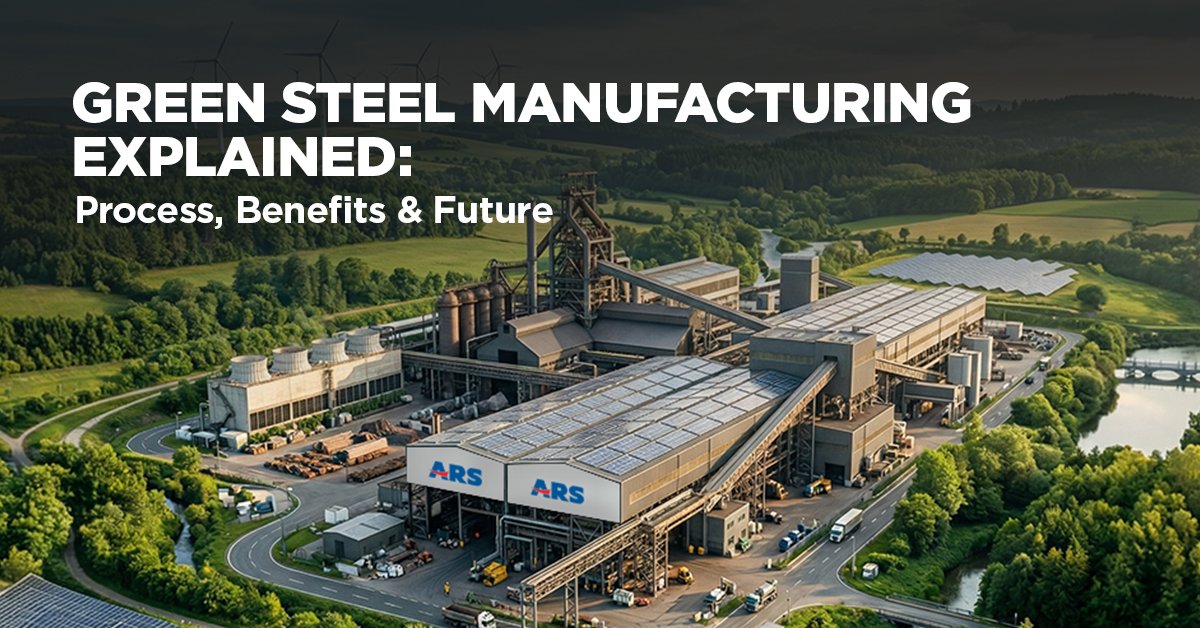
India has the potential to become a global leader in green steel production, supported by renewable energy growth, policy initiatives, and innovation from responsible manufacturers like ARS Steels. Globally, countries are investing heavily in eco-friendly steel solutions. In India, the push toward decarbonization and renewable energy is driving interest in green steel manufacturing. At ARS Steels, we believe that understanding sustainable steel is the first step toward building a greener future. This beginner-friendly guide explains everything you need to know about green steel its meaning, production process, benefits, and future potential.Future of Green Steel
Green steel is not just a trend it represents the future of the steel industry. As renewable energy becomes more affordable and technologies mature, green steel will become more accessible and cost-effective. At ARS Steels, we are committed to innovation, quality, and responsible manufacturing. By embracing sustainable steel solutions, we aim to support our customers while contributing to a cleaner, healthier planet.Final Thoughts
Green steel marks a major step forward in sustainable industrial development. By reducing carbon emissions without compromising performance, it helps build a future where economic growth and environmental responsibility go hand in hand. If you’d like to learn more about green steel, sustainable steel solutions, or how ARS Steels is contributing to a low-carbon future, feel free to get in touch with us.Next step
Explore ARS Green Steel for lower-impact construction.
Review the ARS Green Steel process, sustainability proof, and corrosion-resistance product routes.