
On this page
Quick takeaway
Steel is the backbone of modern infrastructure. From buildings and bridges to automobiles and renewable energy systems, steel plays a critical role in economic development and urban growth.
The Role of Steel in a Sustainable Future
Steel is the backbone of modern infrastructure. From buildings and bridges to automobiles and renewable energy systems, steel plays a critical role in economic development and urban growth. However, traditional steelmaking is one of the largest industrial sources of carbon emissions globally. As the world shifts toward decarbonization, the transition to sustainable steel is no longer optional it is essential. The push for climate resilience and environmental responsibility has accelerated the need for green steel sustainability, making steel production cleaner, smarter, and more efficient.What Is Green Steel and Why It’s Different
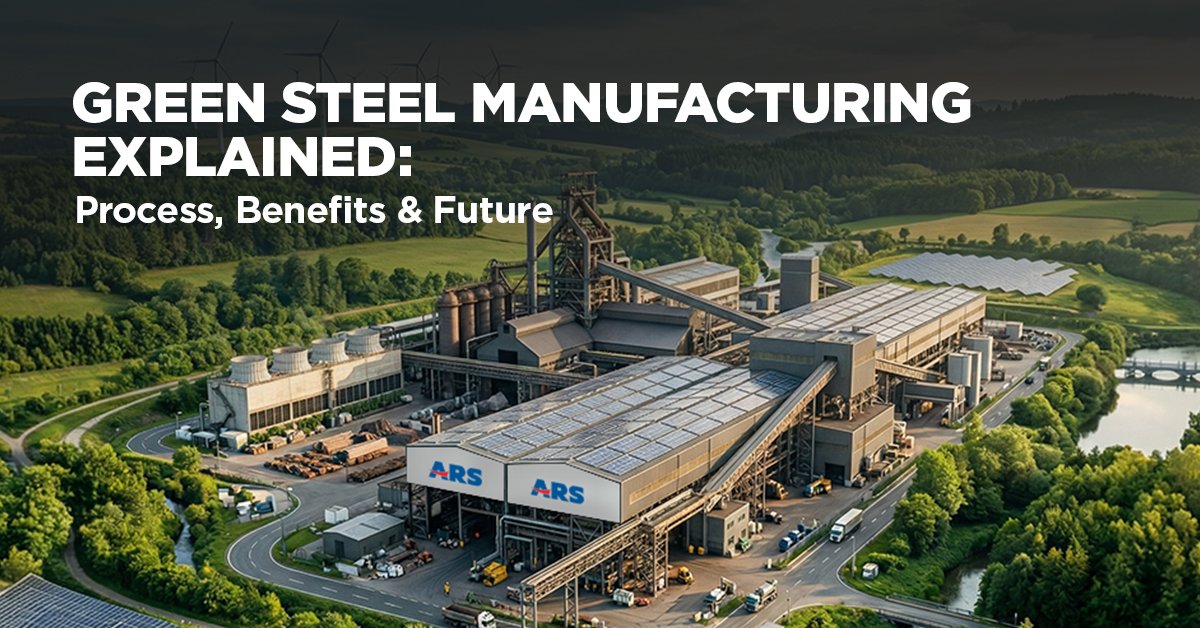
Green steel refers to steel produced using environmentally friendly methods that significantly reduce carbon emissions compared to conventional blast furnace processes. Instead of relying heavily on coal, green steel production often uses renewable energy, hydrogen-based reduction processes, or electric arc furnaces powered by clean electricity. Unlike traditional steelmaking, sustainable steel production focuses on minimizing greenhouse gas emissions, reducing water usage, and incorporating recycled materials. This results in low carbon steel that meets performance standards while drastically lowering environmental impact.Environmental Impact of Traditional Steel Production
Conventional steel production contributes nearly 7–9% of global CO₂ emissions. The use of coke in blast furnaces releases significant carbon dioxide, while mining and transportation further increase the environmental footprint. The environmental concerns include:- High carbon emissions
- Air pollution and particulate matter
- Intensive water consumption
- Large-scale energy use from fossil fuels
How Green Steel Supports Climate Goals
Global climate agreements such as the Paris Agreement aim to limit global warming to well below 2°C. Achieving this target requires deep decarbonization of heavy industries, including steel. By adopting hydrogen-based direct reduced iron (DRI) processes and renewable-powered electric arc furnaces, green steel sustainability directly contributes to carbon neutrality goals. Low carbon steel helps industries reduce Scope 3 emissions, particularly in construction, automotive, and infrastructure projects. Governments worldwide are encouraging sustainable steel production through policy incentives, carbon pricing, and green procurement standards.Benefits of Green Steel for a Sustainable Future
The benefits of green steel extend beyond emission reductions:
- Lower Carbon Footprint – Significant reduction in CO₂ emissions compared to conventional steel.
- Energy Efficiency – Greater reliance on renewable energy sources.
- Resource Optimization – Increased use of recovered and recycled materials.
- Improved Brand Value – Companies using sustainable steel enhance ESG performance.
- Long-Term Cost Stability – Reduced exposure to carbon taxes and fossil fuel volatility.
Economic and Industry Impact of Green Steel
The future of green steel is closely tied to economic transformation. As global demand for low-carbon materials grows, early adopters will gain competitive advantages. In emerging economies, especially green steel in India, the shift presents enormous potential. India is one of the largest steel producers globally, and investment in renewable energy infrastructure positions it well to lead in sustainable innovation. The rise of a green steel manufacturer in India reflects both policy support and increasing demand from global markets seeking low-carbon supply chains. Transitioning to sustainable steel production also creates new jobs in clean energy, hydrogen technology, and advanced manufacturing.Applications Driving Demand for Green Steel
The demand for green steel applications is rapidly expanding across industries:Green Steel in Construction
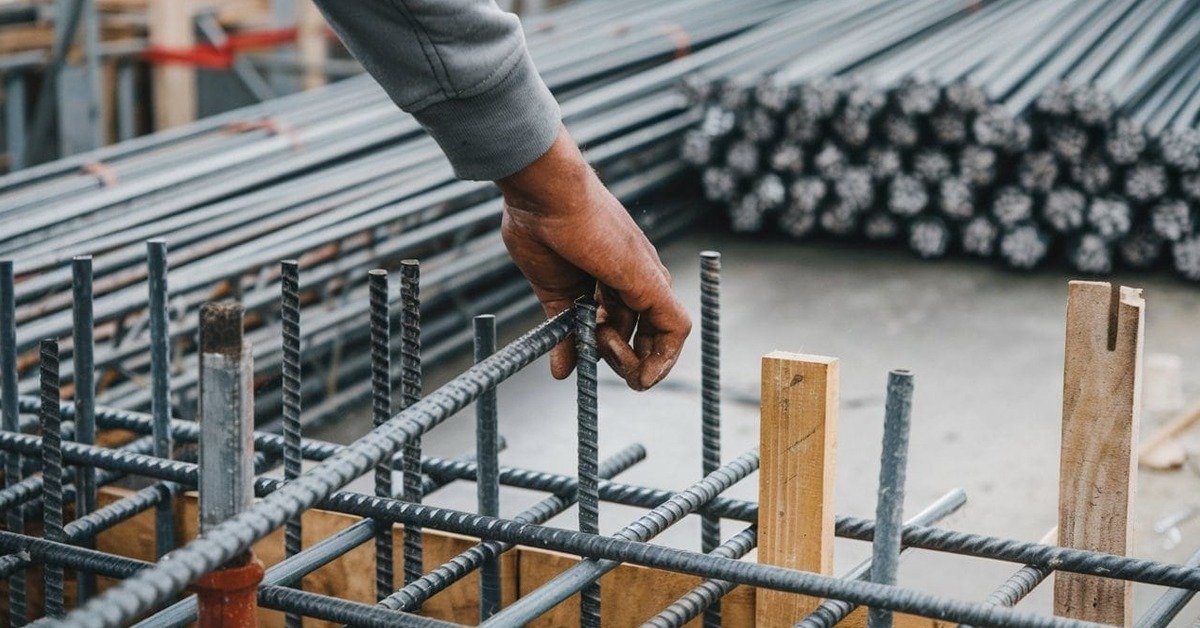
The construction sector is one of the largest consumers of steel. Green steel in construction helps developers achieve green building certifications such as LEED and BREEAM while reducing embodied carbon in infrastructure projects.Automotive Industry
Automakers are integrating low carbon steel into vehicle manufacturing to reduce lifecycle emissions.Renewable Energy
Wind turbines, solar mounting structures, and electric vehicle infrastructure increasingly rely on sustainable steel.Infrastructure and Public Projects
Governments are prioritizing green procurement policies, accelerating the use of green steel in bridges, railways, and urban development.The Future of Green Steel in a Low-Carbon World
The future of green steel is promising but requires collaboration between governments, manufacturers, and industries. Scaling hydrogen production, investing in renewable energy, and building supportive policy frameworks will determine the pace of adoption. With growing awareness around climate change and stricter environmental regulations, green steel sustainability will become a defining factor in global trade and industrial competitiveness. Countries like India are positioned to become leaders in this transformation. The growth of green steel in India and the emergence of innovative green steel manufacturers in India signal a shift toward a more resilient and environmentally responsible steel industry.Conclusion
Green steel is not just an industrial innovation it is a necessity for achieving global climate goals. By reducing carbon emissions, supporting sustainable development, and driving economic growth, sustainable steel production plays a crucial role in shaping a cleaner future. As industries embrace green steel applications and governments strengthen climate commitments, the transition to low carbon steel will redefine the global steel market. The path forward is clear: investing in green steel today ensures a stronger, more sustainable tomorrow.Next step
Explore ARS Green Steel for lower-impact construction.
Review the ARS Green Steel process, sustainability proof, and corrosion-resistance product routes.