Categories
Uncategorized

Understanding the Importance of 8 mm Rod Weight in Construction Projects

In the phases of creation of any construction project, every little detail matters.

From the foundation to the finishing touches, each component plays a crucial role in ensuring the structural integrity and longevity of a building. Among these components, the weight of 8 mm TMT bar holds significant importance. Let’s delve deeper into why understanding the weight of 8 mm TMT bars is essential in construction projects.

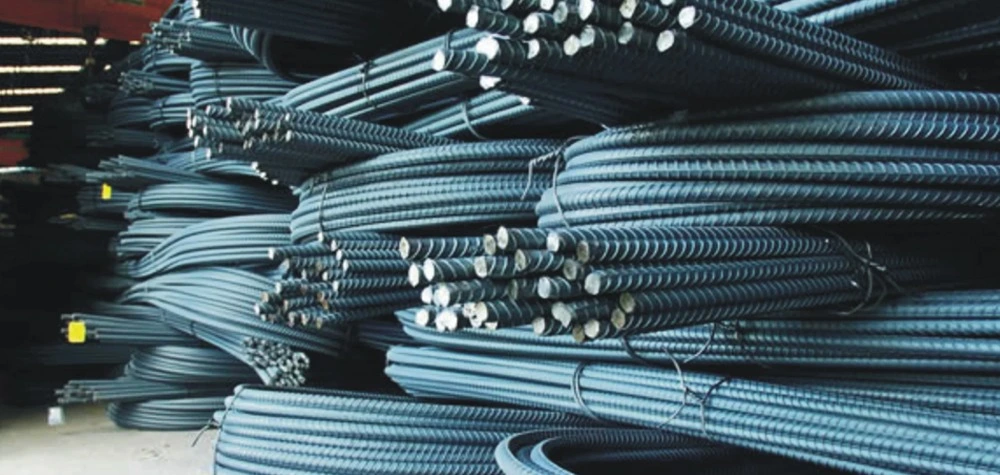
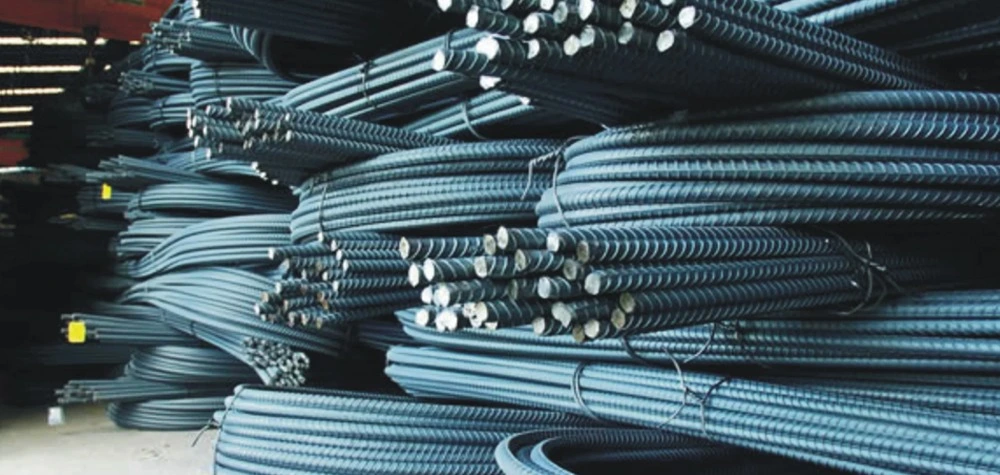
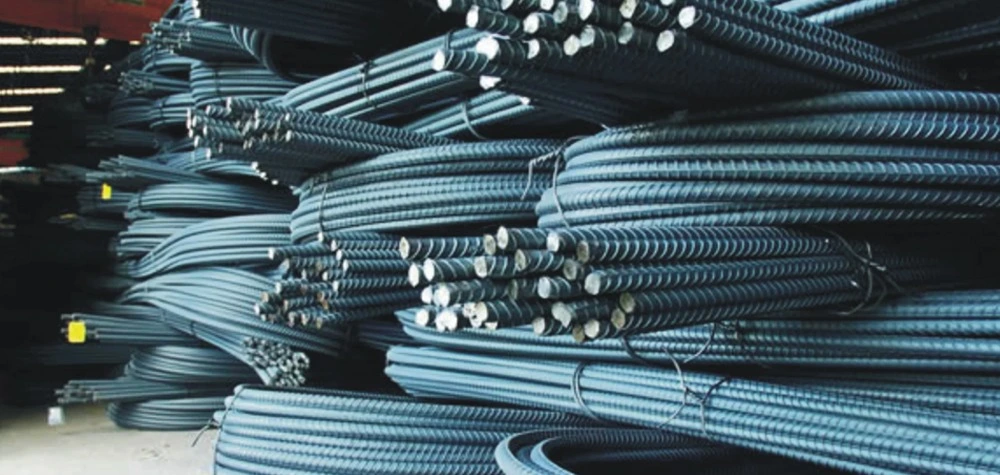
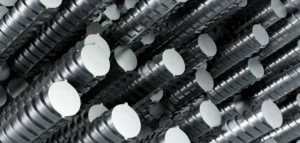
When it comes to constructing buildings, bridges, or any infrastructure, the choice of materials is paramount. TMT bars, also known as Thermo-Mechanically Treated bars, are widely used in construction due to their superior strength, durability, and resistance to corrosion. Among the various sizes available, the 8 mm TMT bar is commonly used in smaller-scale construction projects, such as residential buildings, stir ups, beam, footings, and small structures.

One of the critical factors to consider when using 8 mm TMT bars is their weight. The 8 mm rod weight directly impacts the overall structural stability and load-bearing capacity of the construction. Specifically, this will help align the column and the beam’s main bars to withstand any sharp shear forces. Therefore, it is crucial to understand and calculate the 8mm TMT bar weight accurately.

what is the weight of 8mm TMT rod?

The 8 mm TMT bar weight varies depending on its length and density. Typically, the weight of an 8 mm TMT bar ranges from 0.375 kilograms to 0.400 kilograms er meter. Knowing the weight of 8 mm TMT bars allows engineers and architects to make informed decisions regarding the design and construction of the project.

In construction projects, every gram matters. Even a slight variation in the weight of 8 mm TMT bars can have significant implications for the structural integrity of the building. Therefore, it is essential to use high-quality TMT bars with accurate weight specifications to ensure the safety and stability of the structure.

Moreover, understanding the weight of 8 mm TMT bars is crucial for optimizing material usage and minimizing wastage. By calculating the precise weight of TMT bars required for a project, construction companies can streamline their procurement process, reduce costs, and improve efficiency.

In addition to structural considerations, the weight of 8 mm TMT bars also impacts transportation and handling logistics during construction. Heavy TMT bars can pose challenges in terms of transportation, loading, and unloading, leading to increased labour costs and delays in project timelines. Therefore, choosing TMT bars with an optimal weight-to-strength ratio is essential for smooth project execution.

In conclusion, the weight of 8 mm TMT bars plays a pivotal role in construction projects. By understanding and accurately calculating the weight of these essential building materials, engineers, architects, and construction professionals can ensure the structural integrity, safety, and efficiency of their projects. As the foundation of any construction endeavour, the weight of 8 mm TMT bars should never be underestimated.
Categories
Uncategorized

Exploring Rebar: Types, Uses, and Importance in Building Stability

The selection of appropriate materials in the construction industry plays a pivotal role in the structure’s strength and durability in the long run. Various materials are used to construct structures. One of the most essential elements among them is Rebar. In this article, we’ll delve into understanding what is rebar, its importance, types, and uses in the construction industry.

What is Rebar?

Rebar, also referred to as steel reinforcement bar , serves the primary purpose of reinforcing structures. In construction, where concrete is essential, these bars enhance the tensile strength of concrete, addressing its inherent weakness in tension. This reinforcement effectively strengthens structures, ensuring durability. Steel is exclusively employed as a rebar or steel reinforcement bar as it expands with heat that closely matches the concrete.

Different Rebar Types and Uses:

The construction industry consists of various rebar types, and each is designed for various applications according to their different properties, some of the common types are as follows:

  1. Mild Steel Bar
  2. Deformed Steel Bar
  3. Others

Mild Steel Bar

Mild steel is made from a combination of iron and carbon. It is known for its ability to easily change its shape, due to its ease of cutting and bending, without sustaining damage. Mild steel bars are suitable for making lightweight structures as opposed to heavy structures as their bonding between concrete and steel is not strong enough.

Deformed Steel Bar

Deformed steel bars are known to have superior bonding strength when compared to mild steel bars as the deformed steel bars have lugs and indentations on the outer surface. This enhanced bond is attributed to the improved grip on concrete, resulting in significantly higher tensile properties.

Types of Deformed Steel Bars

  1. TMT rebar
  2. HSD rebar

TMT REBARS

TMT (Thermo-Mechanically Treated) rebars have been recognized for providing exceptional strength and resilience to structures in the construction industry. These bars are manufactured through a process called the Thermax process which makes the bars have a tough outer surface and a softer inner core which in turn provides strength along with increased flexibility, making it suitable for diverse construction projects.

TMT rebar is an essential part of constructing structures due to its varied benefits, such as:

  1. Exceptional ductility
  2. High malleability
  3. High yield strength
  4. Excellent bonding strength
  5. Earthquake resistant
  6. Corrosion resistant
  7. Economical pricing

Different sizes (in diameter) of TMT bars:

  1. 8mm
  2. 10mm
  3. 12mm
  4. 16mm
  5. 20mm
  6. 25mm
  7. 28mm
  8. 32mm, etc.,

Different grades of TMT bars:

  1. Fe-500D
  2. Fe-500
  3. Fe-550
  4. Fe-550D
  5. Fe-600

TMT bars are majorly used in the construction of structures such as beams and slabs which are essential components of a building framework.

HSD REBARS

HSD (High Strength Deformed) bars are known for their tensile strength in the construction industry. These bars are manufactured at a hot temperature and later these are coldly twisted to give their shape. HYSD bars are used in varied areas of construction such as roads, buildings, highways, bridges, etc.

Different grades of HSD bars:

  1. Fe 415
  2. Fe 500

Other types of rebars in the construction industry are as follows:

  1. Carbon steel rebar
  2. Galvanized rebar
  3. Epoxy Coated rebar
  4. Stainless steel rebar
  5. European rebar

What is rebar in construction?

As we know concrete is brittle in nature and has high compressive strength, it tends to crack when subjected to such forces. By embedding rebar within the concrete, the tensile strength of the structure is significantly enhanced, the reinforcement of these rebars helps prevent cracks and ensures the overall stability of the building.

Importance of rebars in construction:

Rebars or reinforcing bars are an essential element in the construction of structures as they provide the necessary strength and enhanced durability to the structures against external forces. The use of rebars is a fundamental element that contributes immensely to the safety, stability, and longevity of structures.

Choosing the appropriate rebar for construction is crucial in deciding the durability and strength of the structures. TMT steel bars are among the best rebar that is available in the construction industry.

ARS Steel is among the top TMT steel manufacturers in India. You can check out the website to learn more about TMT bars and their uses in construction industry.

Categories
Uncategorized

What is the difference between TMT, HYSD, and TOR Steel Bars?

Materials used in construction play a pivotal role in ensuring the long-term strength and durability of a structure. Steel bars hold significant importance in the construction process. Different types of steel bars are available in the market for construction. Therefore, selecting an appropriate type of steel becomes crucial in the construction as it enhances the strength of the construction structures,

In this article, we are going to look at some known types of steel bars currently used in the construction industry – HYSD bars, TMT bars, and TOR steel. Let’s delve into the specifics of each and understand the key differences.

What is TMT Bars?

The full form of TMT stands for Thermo-Mechanically Treated bars, TMT bars are known for their tensile strength and durability in the construction industry. The manufacturing of these steel bars is done through a process called – the Thermax process, these bars are designed to have a hardened outer core and a soft inner core.

These bars exhibit high tensile strength, making them suitable for a variety of construction applications.

What is HYSD Bars?

HYSD is an acronym that stands for High Yielding Strength Deformed Steel. These steel bars are known for their flexibility and durability in the construction industry. The manufacturing of these HYSD steel bars is unique as they are formed at a hot temperature and then they are coldly twisted.

These bars are widely used in construction projects such as bridges, high-rise buildings, and industrial structures.

What is TOR Steel?

TOR stands for Toristeg Steel Corporation of Luxembourg, which is a brand name in Europe. The technical term for it is CTD, that is, Cold Twisted Deformed. TOR is a type of HYSD steel, it undergoes a process where the steel bars go through a heat process and are coldly twisted and later it is deformed.

TOR bars are versatile steel bars employed in construction, highways, bridges, etc.

Difference between HYSD, TMT, and TOR steel bars

1. Manufacturing Process

The major difference between HYSD and TMT bars is the manufacturing process. TMT steel bars go through a process of water quenching as compared to HYSD and TOR steel which go through heat rolling or cold twisting.

2. Structural Composition

TMT bars possess a ductile microstructure and a strong crystalline surface, which provides a stronger outer structure and a flexible inner structure when compared to HYSD steel bars.

3. Residual Stresses and Tensile Strength

TMT bars have enhanced tensile strength as they have less residual stress in contrast to HYSD bars.

4. Torsional Stress

TMT bars don’t go through any physical deformation during their manufacturing, thereby eradicating any form of torsional stress and reducing the probability of surface defects.

5. Corrosion Resistance

TMT Bars have a controlled proportion of chemical ingredients. Carbon, Sulfur and Phosphorus in the right quantities produce the high durability and stronger protection from environmental weathering and corrosion.

6. Hardening Process

TMT bars achieve hardening through water quenching, reducing the need for explicit hardening processes and decreasing energy consumption.

7. Versatility in Construction

TMT bars make them suitable for a diverse array of construction projects due to their higher flexibility and durability in comparison to HYSD bars.

8. Material Consumption

Utilizing TMT bars in construction can result in an 4% to 6% reduction in steel consumption compared to HYSD bars.

9. Affordability

Another major difference between hysd and tmt bars is the affordability of these steel bars. TMT steels are more budget-friendly when compared to HYSD bars, making them a cost-effective choice for various construction applications.

ARS Steel is one of the leading TMT steel manufacturers, known for producing strong and durable products. You can visit the website to learn more about TMT steel bars.

Categories
Uncategorized

All You Need to Know About HYSD Bars

The construction sector heavily depends on the selection of appropriate materials, influencing the strength and durability of structures. With a diverse range of materials available in the market, possessing knowledge and understanding of their various applications is essential. The decisions regarding materials can significantly influence the success or failure of a project.

In the construction industry, steel stands out as a key player. Steel offers a strong foundation for a myriad of structures. In this article, we’ll focus on a type of steel known as HYSD steel bars.

What is HYSD steel bars?

HYSD bars full form is High Yield Strength Deformed, these HYSD bars have earned their name in the construction industry with their strong features like flexibility and durability compared to other steel bars. The manufacturing of these HYSD steel bars is unique as they are formed at a hot temperature and are coldly twisted, which gives their structure, and is a key factor contributing to their superior strength to other metals, they are hence known for their tensile strength in the construction of structures.

Benefits of HYSD Bars

HYSD steel bars have revolutionized construction practices with their unique manufacturing process, resulting in a remarkable 40% increase in bar bonding. These bars offer a multitude of benefits, making them a preferred choice in various construction projects, such as:

Corrosion Resistance:

HYSD bars are excellent in resisting corrosion, making them ideal for use in damp areas such as in the construction of tunnels and underground sewage systems.

Cost-Effective:

Compared to alternative metals, HYSD bars are a more affordable option, compared to other steels in the market.

High-Rise Construction:

These bars play a key role in the construction of high-rise structures, contributing to the successful creation of towering buildings.

Flexibility:

The flexibility of HYSD bars expands design possibilities, allowing for intricate and complex designs in both residential and commercial projects.

Resilience to High-Stress:

HYSD bars exhibit remarkable resilience to extensive stress, outperforming mild steel bars and making them a preferred option for projects requiring strong and reliable materials.

Versatile

HYSD bars can be used in broad areas of construction projects, including roads, buildings, highways, and bridges, making them indispensable in various construction scenarios.

Difference between HYSD and TMT bars

As we know there are different types of steel rods available in the market for construction such as HYSD and TMT bars, both having high quality. Let’s look at the difference between HYSD and TMT bars:

  1. The manufacturing process of both these steel bars is different, setting them apart in terms of production methods.
  2. While HYSD steel bars are recognized for their relative corrosion resistance, compared to TMT steel bars, they are prone to corrosion.
  3. HYSD steel exhibits a lesser degree of flexibility in comparison to TMT steel bars, showcasing a relatively reduced capacity for bending and deformation.
  4. TMT bars have a harder outer surface and a softer core, enabling them to withstand high-stress levels in contrast to HYSD bars.
  5. TMT bars, when contrasted with HYSD bars, demonstrate higher tensile strength and the ability to endure a significant amount of stress.

In conclusion both these types of steel are widely known and are used in construction projects. ARS Steel is among the leading steel manufacturers in India which provides the best quality TMT steel bars. To know more about TMT steel bars and their uses in different construction projects, visit their site: ARS Group

Categories
Uncategorized

What are different diameters of steel used in construction field?

In the construction industry, the appropriate selection of materials is crucial as they form the fundamental basis for determining the strength and durability of structures.

TMT (Thermo-Mechanically Treated) Steel is one of the essential components in construction as it stands out for its exceptional strength and ductility in building structures. Thus, contributing to the prolonged longevity and durability of the structures.

In this article, we will delve into the different sizes of TMT steel bars and their different uses in the construction industry.

These TMT Steel bars come in different sizes based on their varied diameters.

The different diameter of steel bars are as follows:

  1. 8mm Steel Rod
  2. 10mm Steel Rod
  3. 12mm Steel Rod
  4. 16mm Steel Rod
  5. 20mm Steel Rod
  6. 25mm Steel Rod
  7. 32mm Steel Rod, etc

TMT bars of varied sizes, play a pivotal role in diverse infrastructure initiatives, the versatility of TMT bars is further evident in their application in the construction of residential developments such as independent villas and high-rise structures, as well as constructions like bridges, flyovers, dams, malls, schools, airports, hospitals, industrial structures, educational institutions, etc.

It is important to recognize each of these steel bars as each diameter of steel bars directly influences the load-bearing capacity of structures. Various construction projects have specific requirements that demand TMT bars of varying diameters, and understanding this distinction and its different uses of steel bars is vital.

As we know, TMT steel bars play a vital role in construction, serving multiple purposes within the industry. We’ve listed some examples to help you understand how these different dimensions of TMT steel rods are used in the construction field which are essential components of a building’s framework:

Construction of Slabs

A slab is a flat, horizontal structural element that requires less load-bearing capacity steel rods. Steel rods utilized include:

  1. 8mm Steel Rod
  2. 10mm Steel Rod
  3. 12mm Steel Rod

Construction of Footings

Footing refers to the lower section of a foundation as it evenly distributes the weight of the building across the entire structure.

  1. Utilizes a 10mm steel rod or larger

Construction of Columns

A column, also known as a pillar, is an element that supports other structural elements. For the construction of the column, steel rods of size above 12mm are used:

  1. 16mm Steel Rod
  2. 20mm Steel Rod
  3. 25mm Steel Rod

Construction of Beams

A beam is a structural element that supports the weight of floors, ceilings, and roofs. Steel bars of a diameter greater than 12 mm are used for construction.

  1. 16mm Steel Rod
  2. 20mm Steel Rod
  3. 25mm Steel Rod
  4. 32mm Steel Rod, etc

In conclusion, the diverse dimensions of TMT steel bars play a crucial role in the construction industry, impacting the strength and stability of structures across various applications. The strategic selection of steel bar diameters tailored to specific structural elements ensures the constructed structures’ overall durability and longevity. Hence an understanding of these dimensions becomes increasingly essential.

ARS Steel is one of the leading steel manufacturers, known for producing strong and durable products. Their TMT steel bars are crafted with precision, meeting strict standards for construction projects. Choosing ARS Steel means opting for reliable materials that contribute to the long-lasting stability of structures. Visit the website to know more

Categories
Uncategorized

How to know exactly the TMT Steel price for today?

TMT (Thermo-Mechanically Treated) Steel Bars are highly regarded material that is used in the construction industry. TMT Steel bars have extensively been used in construction. They are recognized for their exceptional strength and increased load-bearing capacity. These bars have been engineered and are known for their long-lasting durability and structural stability.

This article will delve into the current market rates and prices of TMT steel bars, providing an updated perspective to enhance our understanding.

Given the rapid and unpredictable fluctuations in the costs of construction materials, it becomes crucial to monitor TMT steel prices . This is essential for effective planning of construction projects and budgeting.

The TMT steel prices are dependent on the various factors that affect the pricing of these TMT steel bars.

Factors that affect the steel rod price:

Supply & Demand

  • These market factors play a major role in the steel bar price. When demand for TMT steel exceeds supply, prices tend to rise, and vice versa.

Cost of Raw Materials

  • Fluctuations in the prices of raw materials directly impact the overall cost of producing TMT steel, influencing its market price.

Transportation Costs

  • The costs associated with transporting TMT steel from manufacturing plants to end-users can contribute significantly to the final price.

Industry Trends

  • Trends within the steel industry, such as advancements in production technologies or shifts in construction practices, can influence TMT steel prices.

Location

  • The prices of TMT steel can be influenced by geographic location, as differences in production costs, transportation distances, and local considerations, including taxes and regulations, all contribute to these variations.

Volume of Purchase

The pricing of TMT steel rods is directly influenced by the volume of the purchase, indicating that the quantity acquired has a direct bearing on the overall cost.

Size and type of TMT steel rods, etc

Different specifications of TMT steel rods, including size and type, can have varying production costs. Larger or specialized rods may require different manufacturing processes, influencing their market prices.

TMT Steel comes in different types and sizes, this is the list of the different types of TMT steel available in the market:

  1. Fe 415
  2. Fe 500
  3. Fe 500 D
  4. Fe 550 D

The list of varied sizes available of TMT steel bars is as follows:

  1. 8mm TMT steel bar
  2. 10mm TMT steel bar
  3. 12mm TMT steel bar
  4. 16mm TMT steel bar
  5. 20mm TMT steel bar
  6. 25mm TMT steel bar
  7. 32mm TMT steel bar

Prominent and leading TMT steel manufacturers recognize the significance of transparency in their pricing. Therefore, visiting the official websites of these reputable manufacturers allows you to access the most accurate and up-to-date information on steel bar prices. Top steel manufacturers are now employing online tools, such as live steel calculators that are integrated into their websites. These calculators enable you to assess live steel rod prices tailored according to your specific construction needs and requirements. These calculators take into consideration the current and prevailing market conditions, ensuring that the pricing reflects the most recent changes in the steel industry.

As a top steel manufacturing company, ARS Steel stands out for its commitment to transparency and customer-centric solutions. The incorporation of live steel calculators on their website empowers you to check current pricing for TMT steel rods instantly, aligning with your construction requirements. ARS Steel emerges as a reliable partner, ensuring that your construction projects are backed by the strength of accurate and up-to-date TMT steel pricing. Here’s the link to the ARS website to get a feel of the best online solution to know the current prices.

Categories
Uncategorized

TMT Steel Bar Weight – 8mm, 10mm, 12 mm & 16mm steel bars

Strong, durable, and reliable structures in the construction industry are established through the utilization of appropriate materials. The choice of materials employed for the construction serves as the foundation of any construction project, underscoring the significance of choosing the right materials for the integrity of your construction projects.

TMT (Thermo-Mechanically Treated) Steel Bars are essential in any construction project. TMT steel bars are known for their exceptional strength and flexibility, and it is widely used in various construction projects. These bars are produced using high-quality steel material (CRC), that exhibits exceptional strength, and they are claimed to significantly enhance the structural stability of the building. These steel bars are the favoured option for building numerous structures, be it building houses, tall buildings, dams, bridges, and flyovers, among others. These TMT Steel Bars weigh in different sizes, such as 8mm steel rod, 10mm steel rod, 12mm steel rod, and 16mm steel rod which in turn helps the builder to decide which steel bar to choose based on the requirements for the construction project.

In this article, we’ll look into the different weight structures of TMT steel bars and their uses in building construction structures. The classification of TMT steel bars is based on their varied diameters, while the length of these TMT steel rods remains the same.

Let’s try to understand each of these varied weight structures of TMT steel rods in detail:

8mm steel rod weight:

  1. The weight of an 8mm steel rod is around 4.6 kg per rod.
  2. 10 steel rods are put together to form a bundle and weigh 45 to 46 kg.
  3. 1 ton of these steel rods would weigh around 22 bundles approximately.
  4. 8mm TMT steel rods serve as load-bearing components in constructions.
  5. The 8mm steel rods are commonly applied in features like stairways and slabs.

10mm steel rod weight:

  1. The weight of a 10mm steel rod is around 7.1 kg per rod.
  2. 7 steel rods are put together to form a bundle and weigh 49 to 50 kg.
  3. 1 ton of these steel rods would weigh around 22 bundles approximately.
  4. These steel rods of 10mm are specifically utilized for constructing, both lintels and roofs.

12mm steel rod weight:

  1. The weight of a 12mm steel rod is 10.4 kg per rod.
  2. 5 steel rods are put together to form a bundle and weigh 51 to 52 kg.
  3. 1 ton of these steel rods would weigh around 20 bundles approximately.
  4. These steel rods of 12mm are primarily utilized in the construction of beams supporting roofs.

16mm steel rod weight:

  1. The weight of a 16mm steel rod is 19.2 kg per rod.
  2. 3 steel rods are put together to form a bundle and weigh 54 to 56 kg.
  3. 1 ton of these steel rods would weigh around 18 bundles approximately.
  4. These 16 mm steel rods are employed in the construction of columns or beams based on the respective structural designs.

Therefore, these varied weight measures of TMT steel rods of 8mm, 10mm, 12mm, and 16mm are important to understand as they influence varied construction decisions and empower construction professionals to make informed choices, ensuring that structures stand tall, resilient, and ready to withstand the passage of time. Every rod, with its unique strengths and weight attributes, plays a role in enhancing the durability and longevity of construction structures. The decision between these diameters goes beyond mere size, it is a strategic choice that shapes the fundamental structure of your construction.

In conclusion, the choice of TMT steel bars for your construction project is an essential decision that shapes the very foundation of your structures. Among the many options available, ARS Steel emerges as the top choice for TMT steel bars as they hold exceptional strength and flexibility, making them indispensable for diverse construction projects.

Categories
Uncategorized

Unveiling the Strength: Exploring the 8mm, 10mm, 12mm, and 16mm TMT Steel Bars

Exploring the 8mm, 10mm, 12mm, and 16mm TMT Steel Bars

Steel bars are an essential component in construction projects, providing high ductility and reinforcing bonding with concrete. Among the various sizes available, 8mm, 10mm, 12mm, and 16mm steel bars are commonly used. In this blog post, we will delve into the type differences of these different sizes and explore their implications in architectural design.

Understanding Steel Bars

Steel bars, also known as reinforcing bars or rebars, are typically made from carbon steel and are used to enhance the tensile strength of concrete structures using specific quantities of Sulphur and Phosphorus combinations. They come in various sizes, each with its own weight and load-bearing capacity and must satisfy the IS 1786 – 2008 physical and chemical standards.

The Mighty 8mm Steel Rod

The 8mm steel rod is a popular choice in architectural projects due to its versatility, superior elongation, and cost-effectiveness. It is lightweight, making it suitable for applications that don’t require heavy loads. Its smaller diameter also makes it easier to handle during construction.

Unveiling the 10mm Steel Rod

Slightly larger than the 8mm counterpart, the 10mm steel rod offers increased strength and load-bearing capacity. It is often used in projects that require moderate reinforcement. Architects value this size for its balance between strength and higher ductility.

The Sturdy 12mm Steel Rod

For projects that demand higher structural integrity, the 12mm steel rod comes into play. It offers enhanced strength and durability. Architects rely on this size for constructing robust structures that can withstand heavy loads and external forces suitable for projects ranging from individual and large-scale houses.

Exploring the Power of 16mm Steel Rods

When it comes to heavy-duty construction, the 16mm steel rod takes the centre stage. This size offers exceptional strength and load-bearing capacity. It finds its application in large-scale projects such as high-rise buildings and bridges, where structural stability is of utmost importance.

In conclusion, the weight variations of 8mm, 10mm, 12mm, and 16mm steel bars play a crucial role in architectural design. The selection of the appropriate size depends on the specific requirements of the project, considering factors such as load-bearing capacity, structural integrity, and cost-effectiveness. By understanding the weight differences and their implications, architects can make informed decisions to ensure the success and longevity of their constructions. Because constructing is a large undertaking, selecting the appropriate TMT bar with certifications and quality criteria is essential. One of the highest-quality steels, certified by SGS, on the market right now is ARS 550D TMT with bars manufactured for a variety of end uses. ARS 550D TMT bars are the primary choice for both small and large building projects while also providing round the clock service and a free Spectro-van testing facility.

Categories
Uncategorized

TMT Steel Price: 5 Things to Know Before Starting Construction

When it comes to construction projects, understanding the factors of TMT steel prices is necessary. As a builder, being well-informed about the fluctuations and factors affecting TMT steel prices can help you make informed decisions. In this blog post, we will explore five key things you need to know about steel rod price before embarking on your construction journey.

The Basics of TMT Steel bars

TMT steel, also known as Thermo-Mechanically Treated steel, is widely used in construction due to its high ductility. There are both ductile and super ductile steels that can be used. It is manufactured through a unique process that involves heat treatment and rapid cooling, resulting in enhanced properties. Historically, this has been built from 415 round bars to the now enhanced 550D TMT bars that is also superior in elongation. These superior strength bars are used in all types of constructions ranging from individual houses to big infrastructures. Understanding these basics of TMT steel bars is essential before delving into steel bar price ranges.

Factors Influencing Steel Rod Price

TMT steel prices are subject to various factors that can cause fluctuations. Some of the key influencers include the cost of raw materials, market demand, production capacity, transportation costs, and an IS 1786 – 2008 standard certification adds to its value. By keeping an eye on these factors, you can better anticipate steel bar price changes and plan your construction budget accordingly. Some TMT bars are also optimized to withstand any weather condition and are also certified by international boards such as the SGS to support customer authentication.

Comparing TMT Steel Brands and Grades

Not all TMT steel is created equal. Different brands and grades of TMT steel offer varying levels of strength and the title 550D name comes from 550 N/mm(square). It is crucial to conduct thorough research and compare different brands and grades based on their specifications and reputation. This will ensure that you select the most suitable TMT steel for your construction project without compromising on quality or overspending.

Understanding Pricing Patterns and Forecasting

TMT steel prices are subject to market dynamics, and understanding pricing patterns can be beneficial for your construction project. Analysing historical data, market trends, and expert forecasts can provide insights into price movements. By staying updated on pricing patterns, you can make better decisions regarding the timing of purchasing TMT steel, potentially saving costs in the long run.

Exploring Cost-Saving Strategies

Managing construction costs is a priority for any engineer. When it comes to TMT steel, there are several cost-saving strategies to consider. These include bulk purchasing, negotiating with suppliers, exploring alternative brands, and optimizing steel wastage. By implementing these strategies, you can effectively reduce your project’s expenditure on TMT steel. ARS 550D TMT manufacturer even provides free Spectro Testing adding to the bonus of purchasing steel at an optimal price.

Exploring Cost-Saving Strategies

Navigating the world of TMT steel prices requires knowledge, research, and strategic thinking. By understanding the basics of TMT steel, identifying the factors influencing its price, comparing brands and grades, analysing pricing patterns, and exploring cost-saving strategies, civil engineers can make informed decisions and optimize their construction projects.

Choosing the best TMT bar with certifications and quality requirements is crucial because building is a big project. The SGS has certified ARS TMT as one of the top-quality steels on the market today with round the clock service. Due to its thorough testing and standard mark, ARS 550D TMT bars are a reliable option for both small and large construction projects. The specification guarantees that the product’s strength, ductility, and durability are adequate to support the current TMT steel price. Furthermore, the quality assurance is maintained in unison with authorized agencies like MSMT, IIT Chennai, JWAD and NH Dept.

Categories
Uncategorized

Contractors’ Trusted Choices of TMT Steel Bars in India for Construction

TMT Bars, also known as Thermo-Mechanically Treated Bars, play a main role in construction projects by providing the necessary tensile strength and durability to withstand various forces. Whether you’re a contractor or an individual looking to build your dream home, this blog will provide you with valuable information on the best TMT bars in India.

TMT means “Thermo-Mechanically Treated ” these bars contain a solid exterior and a soft interior. TMT bars are used in many construction industry sectors, such as

  1. Residential/commercial buildings
  2. Bridges
  3. Industrial constructions
  4. Concrete reinforcement

The main advantage of TMT, which outperforms its alternatives, steel bars, is that TMT bars are immune from corrosion damage.

Here’s the list of the Best TMT Bars in India.

Types of TMT Bars in India

In construction projects in India, two primary types of TMT bars are used:

Low-Ductility Bars

Low-ductility TMT steel bars are known for their high strength but lower elongation properties,

making them more brittle compared to high-ductility TMT bars. They can withstand higher stress than high-ductility bars, but they have a lower resistance to deformation.

Manufacturers can produce low-ductility TMT bars by using a higher percentage of carbon and other alloys in the manufacturing process to enhance their strength, making them more cost-effective than high-ductility TMT bars.

However, low-ductility TMT bars have a higher risk of sudden failure in the event of an earthquake or other severe environmental stresses. Therefore, engineers and contractors must carefully evaluate the specific requirements of a project before selecting the type of best TMT bar to use, ensuring the safety and longevity of the structure post checking with all TMT bars manufacturers in India.

High-Ductility Bars

High-ductility TMT Steel bars , also known as earthquake-resistant bars, possess superior elongation and ductility properties compared to low-ductility TMT bars.

These bars can withstand higher deformation and stress due to seismic activity, making them an excellent choice for structures located in earthquake-prone areas. Manufacturers enhance the ductility of these bars by adding certain elements, such as copper, during the manufacturing process. The ductility of these bars helps absorb the energy generated during an earthquake or other environmental stress, preventing sudden failure and collapse of the structure.

High-ductility TMT bars are typically used in critical infrastructure such as

  1. Hospitals
  2. Schools
  3. High-rise buildings

where safety is of utmost importance.

Grades of TMT Steel Bars & Its Applications

In India, TMT bars are available in various grades that determine their strength, durability, and ductility.

The Bureau of Indian Standards (BIS) regulates the quality and standards of TMT bars in India and defines these grades. These different grades indicate the strength & rigidity factor of the steel bar. The numbers indicate the force that must be applied to deform or modify the steel bars for various purposes. For example, ARS 550D, with a yield strength of 550 MPa, is the strongest grade and the best TMT bar available in South India and is primarily used in heavy construction projects such as dams, bridges, and high-rise buildings. ARS is a leading TMT Bars manufacturers in India . Additionally, higher grades of TMT bars like Fe-600 and Fe-650 are used in special construction projects requiring high strength and durability and will be available under the ARS brand soon.

TMT Steel CALCULATOR

Live Steel Price (Retail) For CRS 550D - Rs.70,000/MT (Inclusive of all Taxes )

WhatsApp Icon


    💬
    Chat Bot