
On this page
Quick takeaway
Steelmaking is crucial for the nation’s growth, for industries like manufacturing, construction etc. However, traditional steelmaking has a massive carbon footprint, with coal processes a...
Steelmaking is crucial for the nation’s growth, for industries like manufacturing, construction etc. However, traditional steelmaking has a massive carbon footprint, with coal processes accounting for significant global emissions. To combat these green steels are on the rise as they produce using cleaner methods like hydrogen and renewable energy. With this, steel production is becoming more sustainable. Now, let’s discuss the differences between both.
Traditional Steelmaking: The Carbon Heavyweight
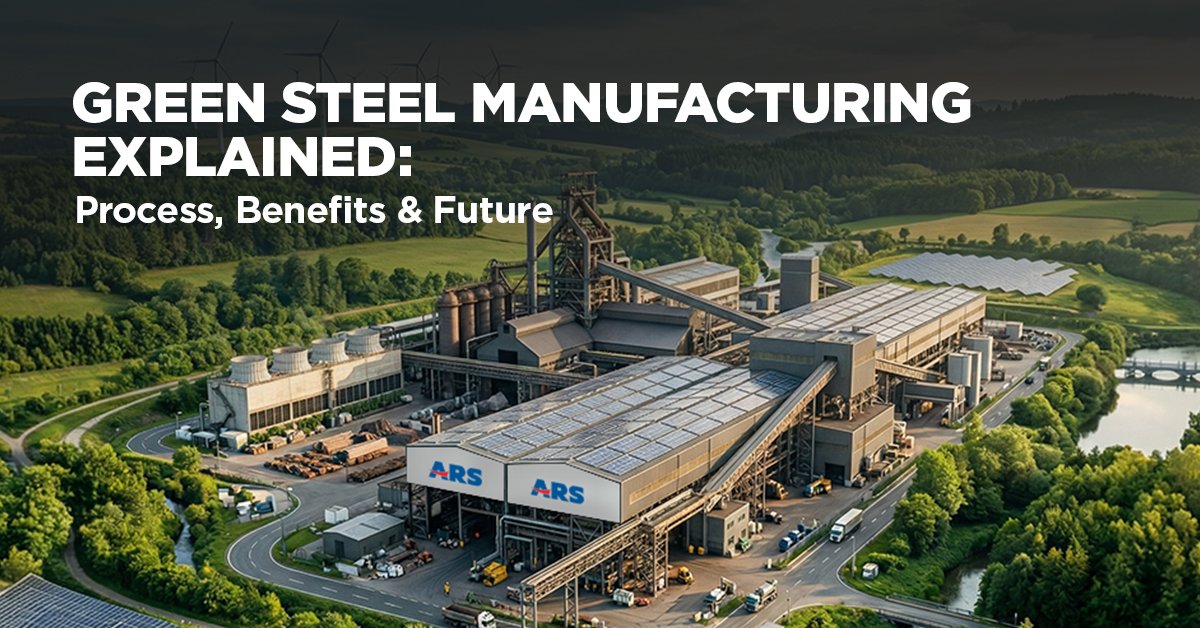
Traditional steel is made using a blast furnace process where iron ore is mixed with coal to produce molten iron. This method is energy- intensive and responsible for 7-9% of global co2 emissions, making it one of the biggest industrial pollutants in the world.Green Steel: The Sustainable Solution
Green steel reduces carbon emissions by using hydrogen instead of iron ore which produces water vapor instead of co2. This process uses electric arc furnaces powered by renewable energy, making it significantly cleaner and more efficient. It can cut carbon emissions by up to 90% compared to traditional methods and offers a path to carbon-neutral steel production.Environmental Impact Comparison
- Carbon Emissions: Traditional steel is a major emitter; green steel can reduce emissions by up to 90%.
- Energy Use: Traditional methods are highly energy-intensive, while green steel uses renewable energy, improving efficiency.
- Resource Depletion: Traditional steel relies on finite resources like coking coal; green steel uses renewable hydrogen.
- Pollution: Traditional steel produces harmful pollutants; green steel significantly reduces air and water pollution.
Challenges of Green Steel
While green steel offers promising environmental benefits, it faces challenges such as:- Cost: Green steel is currently more expensive due to the high cost of hydrogen and new technology.
- Infrastructure: It requires investments in new facilities and renewable energy sources.
- Scalability: Expanding green steel production to meet global demand will take time.
Conclusion
Green steel offers a promising solution to the steel industry’s environmental challenges with potential to drastically reduce carbon emissions and to also promote sustainability. Green steel plays a key role in the global push towards a cleaner and low carbon economy.Next step
Explore ARS Green Steel for lower-impact construction.
Review the ARS Green Steel process, sustainability proof, and corrosion-resistance product routes.