
On this page
Quick takeaway
When it comes to constructing durable and stable buildings, every detail in the foundation plays a crucial role. One of the most essential components of any structure is the RCC column fo...
When it comes to constructing durable and stable buildings, every detail in the foundation plays a crucial role. One of the most essential components of any structure is the RCC column footing. Understanding what it is, its types, and its importance can help ensure that your construction project is grounded on a solid and reliable base.
What is RCC Footing?
RCC footing (Reinforced Cement Concrete footing) is a critical structural element designed to distribute the load from the columns of a building onto the soil. This footing provides stability to the structure by transferring the weight of the columns evenly to the ground, preventing settling or tilting. RCC footings are made by mixing concrete with steel reinforcement (usually TMT steel bars), offering a combination of strength and flexibility to bear the load and environmental stress.Types of RCC Column Footing
There are several types of RCC column footing, and the choice depends on the soil conditions, the weight of the structure, and the type of building being constructed. Here are the most commonly used types:- Slab Type Footing: This is the simplest type where a concrete slab is laid under the column to distribute the load. It’s usually used for lighter structures.
- Slab and Beam Footing: In this type, a slab is used along with beams to better distribute the weight of the column. It’s commonly used for medium-sized buildings.
- Slab and Strap Footing: This design is often used for closely spaced columns where the load needs to be distributed over a wider area, making it ideal for large buildings and heavy structures.
- Isolated Footing: An isolated footing is used for single columns and is usually square or rectangular in shape. It’s the most common type used for individual columns in residential buildings.
- Combined Footing: This type is used when two or more columns are placed close to each other. The footing combines the area under all columns, distributing the load evenly.
Importance of RCC Column Footing
- Load Distribution: The primary function of an RCC column footing is to distribute the load from the column over a large surface area, preventing excessive pressure on the soil underneath, which could lead to foundation settlement or structural failure.
- Stability: RCC footings are designed to provide stability to the building structure, ensuring that the columns remain firmly in place even under heavy load or seismic stress.
- Prevention of Settlement: A well-constructed RCC footing prevents uneven settlement of the foundation, which can lead to cracks in walls or uneven floors.
- Corrosion Resistance: Footings made using corrosion-resistant steel, like ARS Fe 550D bar, are designed to last longer and perform better under harsh environmental conditions, particularly in regions prone to high humidity or moisture.
Steps for Installing RCC Footings
- Site Preparation: Clear the area and excavate the ground to the required depth based on soil conditions and structural requirements.
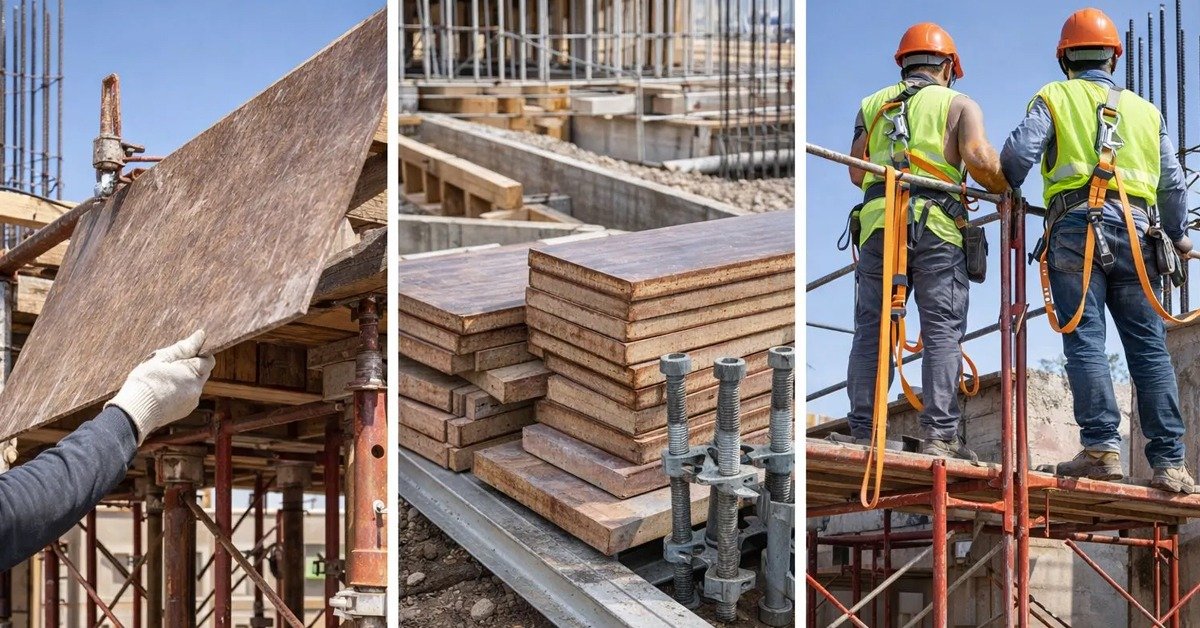
- Formwork: Set up the formwork to shape the footing, ensuring the dimensions are accurate for the type of footing being constructed.
- Reinforcement: Place the TMT steel bars or ARS Fe 550D bar as reinforcement inside the formwork. These bars help in bearing tensile forces and provide additional strength to the concrete.
- Concrete Pouring: Once the reinforcement is in place, pour the concrete into the formwork. The concrete should be mixed correctly to ensure the right strength and durability.
- Curing: After the concrete is poured, it should be cured properly for several days to ensure it hardens fully and gains strength.
Tips for RCC Footing
- Choose Quality Materials: Always use high-quality TMT steel bars like ARS Fe 550D bar, which offer superior strength and corrosion resistance, ensuring the durability of the footing.
- Proper Soil Testing: Before designing the footing, conduct a thorough soil investigation to understand the load-bearing capacity and make necessary adjustments to the size and type of footing.
- Correct Mix Design: Ensure the concrete mix is designed according to the project requirements, considering factors like strength, weather conditions, and the expected load.
- Seismic Consideration: For buildings in earthquake-prone regions, it's essential to use reinforcement that can resist lateral forces. Corrosion-resistant steel enhances the longevity and reliability of the structure in such environments.
Conclusion
In conclusion, RCC column footing plays a pivotal role in ensuring the stability, durability, and safety of a building. By using quality materials like TMT steel bars and ARS Fe 550D bar, along with a precise construction process, the foundation remains strong and resilient. Whether you’re working with a small residential building or a large commercial structure, understanding the types and importance of RCC footings will go a long way in ensuring the integrity of your project. Proper installation and care can make all the difference in a foundation that stands the test of time.Next step
Turn construction guidance into a steel estimate.
Use the calculator, check current buying routes, or connect with ARS for project-specific support.