
On this page
Quick takeaway
India’s steel sector is undergoing a transformative phase, driven by growing consumption in infrastructure, renewable energy, engineering goods, and automobiles.
India’s steel sector is undergoing a transformative phase, driven by growing consumption in infrastructure, renewable energy, engineering goods, and automobiles. However, this growth trajectory is increasingly challenged by the surge in low-cost steel imports primarily from China and other Asian markets which is reshaping the competitive landscape for domestic producers.
The Changing Import Landscape
In recent years, global overcapacity particularly in China has led to steel entering international markets at prices significantly lower than fair value. This influx of cheap steel has placed considerable pressure on Indian producers, disrupting pricing structures and challenging domestic capacity utilization. For India, which continues to expand its infrastructure and manufacturing capabilities, the widening gap between domestic production costs and imported material has become a matter of strategic and economic concern.Impact on Domestic Producers
- Price Undercutting and Margin Pressure
- Supply Chain Imbalance
- Slowdown in Investments
Implications for MSMEs and Downstream Industries
While low-cost imports may initially appear beneficial to MSMEs seeking affordable raw material, long-term reliance introduces new risks:- Supply-chain vulnerability due to geopolitical or logistical disruptions
- Inconsistent quality when compared to BIS-certified domestic products
- Market instability caused by sudden price shifts driven by foreign exporters
Government Measures and Industry Response
Recognizing the challenges posed by steel dumping, the Indian government has been evaluating:- Safeguard duties and temporary tariffs
- Anti-dumping investigations
- Stricter quality control measures
- Incentives to strengthen domestic capacity in critical steel categories
How ARS Green Steel Is Strengthening the Future of Indian Steel
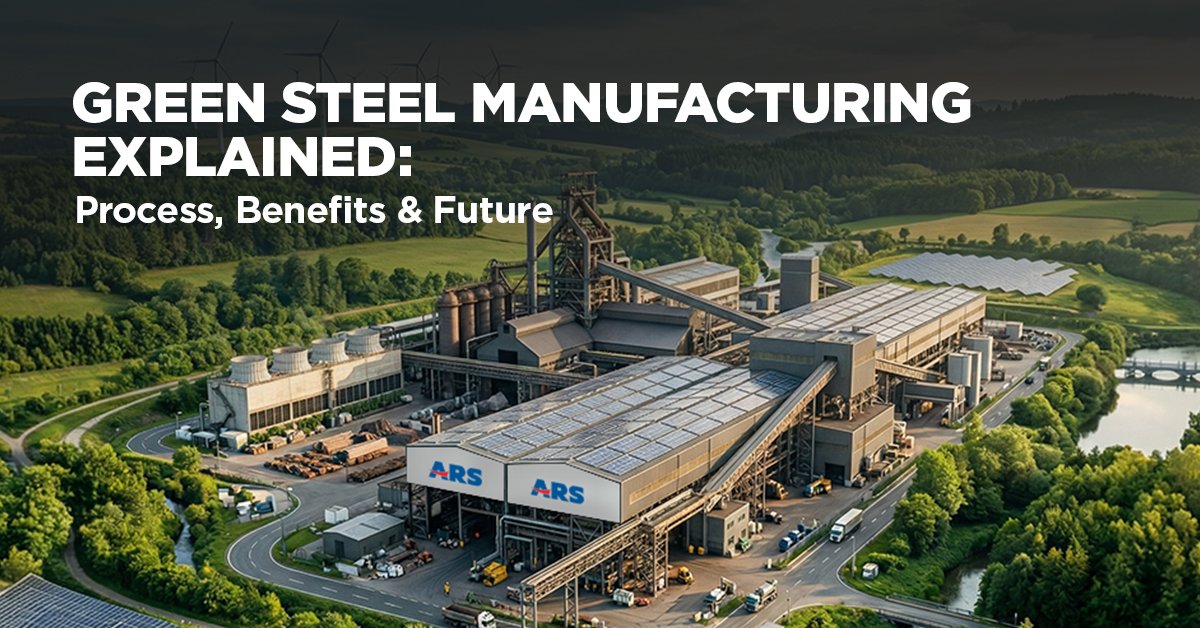
As a company committed to sustainable and future-ready steelmaking, ARS Green Steel believes it is important to highlight how these import trends are affecting the industry and the broader value chain, while also advocating for solutions that foster long-term resilience and responsible growth. As a company built on innovation, sustainability, and responsible manufacturing, ARS Green Steel is committed to supporting India’s industrial growth through:Green Steel Technologies
Our production processes prioritize reduced carbon emissions, circular material usage, and energy efficiency ensuring that Indian industry has access to environmentally responsible steel without compromising on quality.High-Quality Domestic Supply
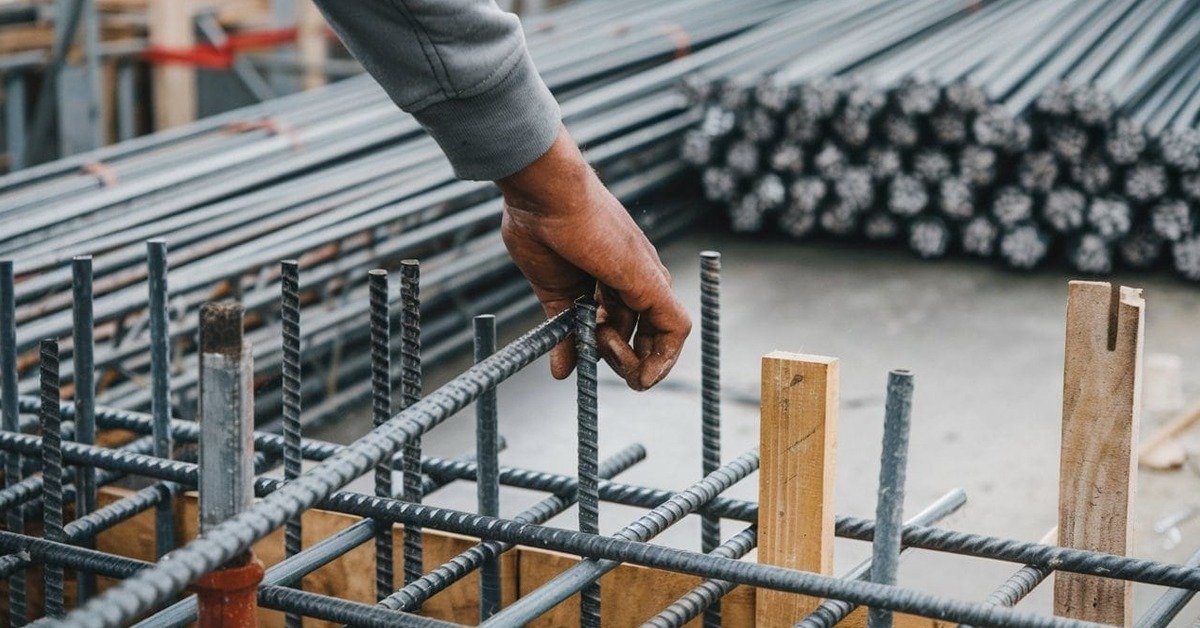
ARS Green Steel focuses on delivering reliable, BIS-compliant products that eliminate the quality uncertainties associated with low-cost imports.Support for MSMEs
We work closely with downstream industries to provide stable pricing, customized grades, and consistent supply helping MSMEs remain competitive in both domestic and global markets.Long-Term Capacity Building
Even in a challenging market environment, ARS continues to invest in advanced technology, capacity enhancement, and green transformation showing our commitment to India’s self-reliant manufacturing future.Conclusion
To conclude, the rise in steel imports presents both challenges and opportunities for India’s steel industry. While short-term measures can address price distortions, the long-term strength of the sector depends on innovation, sustainability, and domestic value creation. At ARS Green Steel, we believe the path forward lies in building a steel ecosystem that is not only competitive but environmentally responsible and supply-chain secure. By investing in green technologies, supporting Indian manufacturers, and ensuring consistent product quality, we are helping shape a resilient future for the industry and for the nation.Next step
Explore ARS Green Steel for lower-impact construction.
Review the ARS Green Steel process, sustainability proof, and corrosion-resistance product routes.