Categories
Uncategorized

Types of piling foundations construction

Types of Piling Foundations for Construction Work

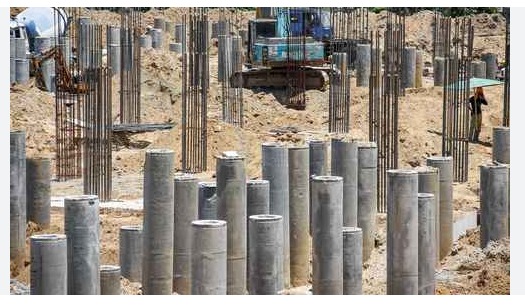
A pile foundation is a deep foundation system that transfers structural loads to a deeper, more competent soil layer. It’s crucial for buildings constructed on weak or unstable soil, or where the load-bearing capacity of the upper soil layers is insufficient. Let’s explore the different types of pile foundations used in construction.

1. Driven Piles

Driven piles are one of the most common types of pile foundations in construction. These piles are pre-manufactured and then driven into the ground using a pile driver. They are often made of concrete, steel, or timber. The primary advantage of driven piles is their ability to penetrate through weak soil layers to reach a more stable stratum. They are ideal for heavy structures and are often depicted in a pile foundation diagram showing their deep placement in the soil.

2. Bored Piles

Bored piles, also known as drilled shafts, involve boring a hole into the ground and then filling it with concrete. This type of pile foundation is suitable for sites where noise and vibration from pile driving are concerns. Bored piles can be constructed to great depths and diameters, making them suitable for large buildings and bridges. They are particularly useful in urban areas where minimizing disruption is crucial.

3. Screw Piles

Screw piles, or helical piles, are types of piling in construction that resemble giant screws. They are screwed into the ground using hydraulic machinery. Screw piles are quick to install and can be used in various soil conditions. They are ideal for projects requiring rapid installation and immediate load-bearing capacity, such as temporary structures or emergency repairs.

4. Steel Piles

Steel piles are commonly used in construction due to their high strength and durability. They come in various shapes, including H-piles, pipe piles, and sheet piles. Steel piles are driven into the ground and are suitable for deep foundations and retaining walls. Their versatility makes them a popular choice in many types of piling foundations.

5. Timber Piles

Timber piles have been used in construction for centuries. Made from treated wood, they are suitable for lighter structures such as residential buildings and temporary works. Timber piles are driven into the ground and are cost-effective compared to other types of piling in construction. However, their use is limited to areas with low exposure to decay and insect attack.

6. Composite Piles

Composite piles combine two or more materials, such as concrete and steel, to take advantage of the strengths of each. For example, a concrete-filled steel pipe pile provides the compressive strength of concrete and the tensile strength of steel. Composite piles are those types of piling in construction that are versatile and can be customized to meet specific project requirements. They are often used in marine environments and bridge foundations.

7. Mini Piles

Mini piles, also known as micro piles, are small-diameter piles used in situations where traditional types of piling in construction are impractical. They are ideal for sites with restricted access or where minimal vibration is required. Mini piles are often used in underpinning existing structures and in areas with challenging soil conditions. Despite their small size, they provide significant load-bearing capacity.

8. Floating Piles

Floating piles, also known as friction piles, rely on skin friction between the pile surface and the surrounding soil to carry the load. These types of piling work in construction do not reach a stable stratum but derive their support from the soil along their length. Floating piles are suitable for soft soils where end-bearing piles are impractical. They are commonly used in residential and commercial building foundations.

Conclusion

Concrete piles, steel piles, and composite piles offer robust solutions for various load requirements, while timber piles provide a cost-effective option for lighter structures. Whether you are dealing with urban constraints, marine environments, or challenging soil conditions, there is a pile foundation method to suit your needs. Proper planning and execution of piling work in construction will lead to successful and enduring projects, supported by the right foundation system.
Categories
Uncategorized

Repair concrete cracks

9 Effective Ways to Repair Concrete Cracks

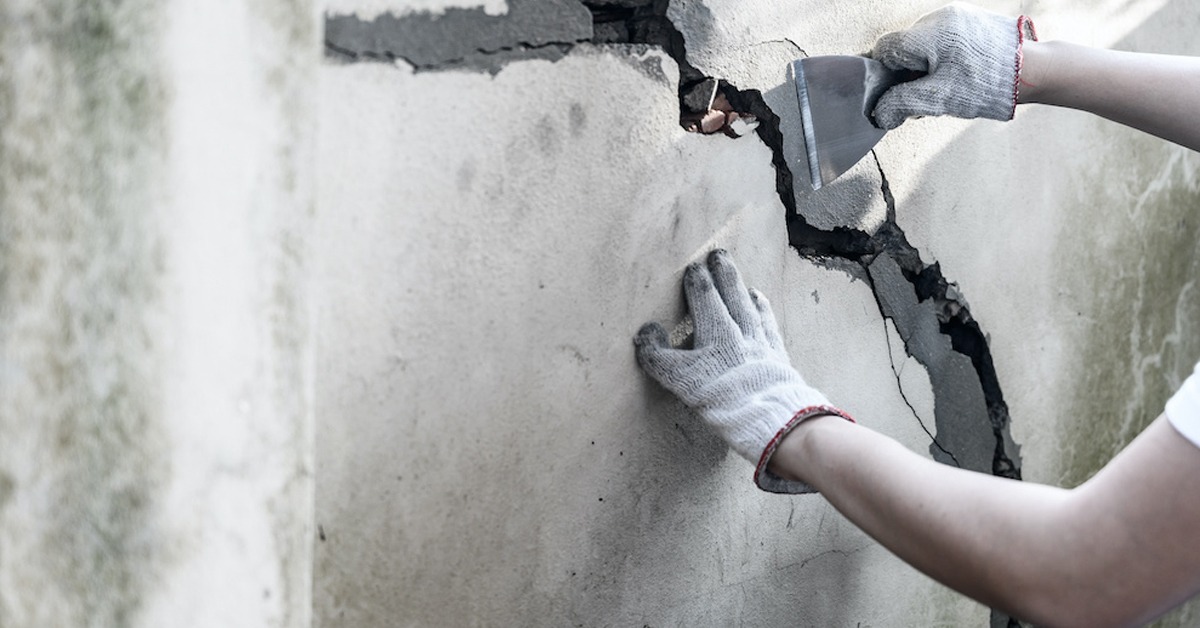
Concrete cracks can be an eyesore and a potential structural issue. While minor cracks might seem harmless, they can worsen over time, leading to bigger problems like water infiltration and structural instability. If you’re dealing with concrete crack repair, concrete floor crack repair, or concrete slab crack repair, this guide will provide you with effective solutions.

1. Epoxy Injection

Epoxy injection is a popular method for concrete crack repair, especially for structural cracks. This process involves injecting a high-strength epoxy resin into the crack, which bonds the concrete pieces together and restores the structural integrity. Epoxy injection is ideal for concrete slab crack repair in areas where strength and durability are crucial.

2. Polyurethane Foam Injection

Polyurethane foam injection is another effective concrete crack repair method, particularly for non-structural cracks. This technique involves injecting a flexible, water resistant foam into the crack, which expands to fill the void. Polyurethane foam is excellent for sealing cracks and preventing water infiltration, making it suitable for concrete floor crack repair.

3. Concrete Patching

How to repair cracks in concrete driveways, sidewalks, and other flat surfaces? For surface- level cracks, concrete patching is a straightforward and cost-effective solution. This method involves cleaning the crack and filling it with a concrete patching compound. Patching is ideal for minor cracks and helps restore the surfaces appearance and functionality.

4. Cement Grouting

Cement grouting is a traditional method for concrete crack repair, particularly for large cracks and voids. This process involves injecting a cement-based grout into the crack, which hardens and bonds the concrete together. Cement grouting is effective for concrete slab crack repair method and can be used in various applications, including foundations and retaining walls.

5. Dry Packing

Dry packing is a manual method for repairing large cracks in concrete. It involves placing a dry cement mixture into the crack and compacting it to ensure a tight fit. Dry packing is labour-intensive but provides a durable and long-lasting solution for significant cracks. This concrete floor crack repair method is often used in industrial settings.

6. Routing and Sealing

Routing and sealing is a method where the crack is first widened and then filled with a flexible sealant. This technique is effective for cracks that are subject to movement, as the sealant can accommodate slight shifts in the concrete. Routing and sealing are commonly used in driveways and sidewalks for concrete repair, as it prevents further damage and water infiltration.

7. Stitching

Stitching is a structural repair method that involves drilling holes on both sides of the crack and installing metal staples or U-shaped bars. These staples help hold the concrete together and prevent further movement. Stitching is suitable for concrete slab crack repair, especially in areas where additional reinforcement is needed.

8. Overlaying

Overlaying involves applying a new layer of concrete or a specialized overlay material over the existing cracked surface. This method not only repairs the cracks but also improves the overall appearance and durability of the concrete. Overlaying is ideal for concrete floor crack repair in commercial and residential settings, providing a fresh, smooth surface.

9. Slab Jacking

Slab jacking, also known as mudjacking, is a method used to lift and level sunken concrete slabs. This process involves injecting a slurry mixture under the slab, which raises it back to its original position. Slab jacking can also help in concrete crack repair by addressing the underlying cause of the cracking. It is commonly used to repair cracks in concrete of driveways, patios, and other large surfaces.

Conclusion

Concrete crack repair is essential for maintaining the integrity and appearance of your concrete surfaces. Whether you need concrete floor crack repair or concrete slab crack repair, there is a method to suit your needs. From epoxy injection to slab jacking, these nine techniques provide effective solutions to repair cracks in concrete. By addressing cracks promptly and using the appropriate repair method, you can extend the lifespan of your concrete structures and keep them looking their best.

Categories
Uncategorized

AVERAGE HOUSE CONSTRUCTION COST IN INDIA PER SQUARE FEET

The dream of owning a home in India is a cherished one. But between the vision and the reality lies the often-daunting task of budgeting. Understanding the average house construction cost per square feet (sq ft) is crucial for making informed financial decisions. In this comprehensive guide, we’ll break down the average house construction cost in India per square feet, including key considerations like steel bars for construction and the impact of using the best TMT bar in India.

The Ever-Shifting Landscape of Residential Construction Costs Per Sq Ft

There’s no single answer to the question of “how much does it cost to build a house in India?”. The residential construction cost per sq ft can vary significantly depending on several factors:

Location: Metropolitan cities like Mumbai and Delhi naturally command higher construction costs compared to smaller towns. Land prices and labor rates play a significant role in this disparity.

Size of the House: Larger houses require more materials and labor, leading to a higher overall cost. Optimizing the square footage can be a budget-friendly strategy.

Material Selection: From choosing the best TMT bar in India for structural integrity to the type of flooring and finishes, the materials chosen significantly to impact the
cost. Premium materials like granite or imported tiles will add to the final price tag.

Quality of Construction: Skilled labor and adherence to building codes ensure a sturdy and safe structure. Opting for experienced contractors and high-quality
materials might incur a higher initial cost, but it translates to long-term savings on maintenance and repairs. The construction cost per square feet can also depend on the quality of materials and finishes used. This includes the type of cement, bricks, and steel bars for construction.

Amenities: Features like swimming pools, elevators, or home automation systems
add a luxurious touch but come at a premium.

A Range to Consider: The Cost Spectrum

While a definitive number is elusive, here's a general range for the construction cost per
square ft in India:

Low-cost (Rs. 1,000 – Rs. 1,500 per sq ft): This range is suitable for basic construction in rural areas or smaller towns. Expect a focus on functionality over aesthetics, with simpler materials and finishes.

Mid-range (Rs. 1,500 – Rs. 3,000 per sq ft): This bracket offers a good balance between affordability and quality. You can expect decent materials, a comfortable
living space, and some flexibility in design choices.

High-end (Rs. 3,000 – Rs. 5,000+ per sq ft): This range caters to those seeking premium finishes, high-quality materials, and potentially smart home features. Expect
the use of branded materials, intricate designs, and skilled labor.

Construction cost per square feet

Understanding how the cost per sq ft translates into different aspects of construction can be
helpful:

Civil Work (Rs. 800 – Rs. 1,500 per sq ft): This encompasses the foundation,
brickwork, plastering, and other structural elements. The cost of steel bars for
construction, a crucial element for strength, falls under this category.

Finishing Work (Rs. 500 – Rs. 3,000 per sq ft): This includes flooring, painting,
electrical work, plumbing, and fixtures. The choice of materials like tiles,
sanitaryware, and electrical fittings significantly impacts this cost.

Cost Estimation for Different Regions

Metropolitan Cities (Delhi, Mumbai, Bangalore): The construction cost per square
feet in these areas can range from INR 2,500 to INR 5,000 due to higher labor and
material costs.

Tier-2 Cities (Pune, Jaipur, Lucknow): The cost here can range from INR 2,000 to
INR 3,500 per square feet.

Rural Areas: Construction costs in rural areas can be significantly lower, ranging from INR 1,500 to INR 2,500 per square feet, depending on local labor costs and
material availability.

Conclusion

Building your dream home in India is an exciting journey. By understanding the average house construction cost per sq ft and the various factors that influence it, you can make informed decisions and turn your vision into a beautiful and budget-conscious reality. Whether you are building a modest home, or a luxurious mansion, careful planning and consideration of the construction costs will help ensure that your project stays within budget and meets your expectations. Check out ARS Steel, producing the best TMT bar in India that is perfect for all your building requirements.

Categories
Uncategorized

PCC vs RCC: Key Differences in Construction Explained

The world around us is a tapestry of structures, from towering skyscrapers to quaint bungalows. But have you ever wondered what holds these giants aloft, or what forms the foundation of our homes? The answer lies in concrete, the unsung hero of construction. But within the realm of concrete, there are two titans: PCC and RCC. While they might sound similar, they serve different purposes and have unique characteristics that make them suitable for various applications. In this blog, we’ll explore PCC and RCC full form, their differences, and their specific uses in construction.

PCC Full Form: The Foundation of Simplicity

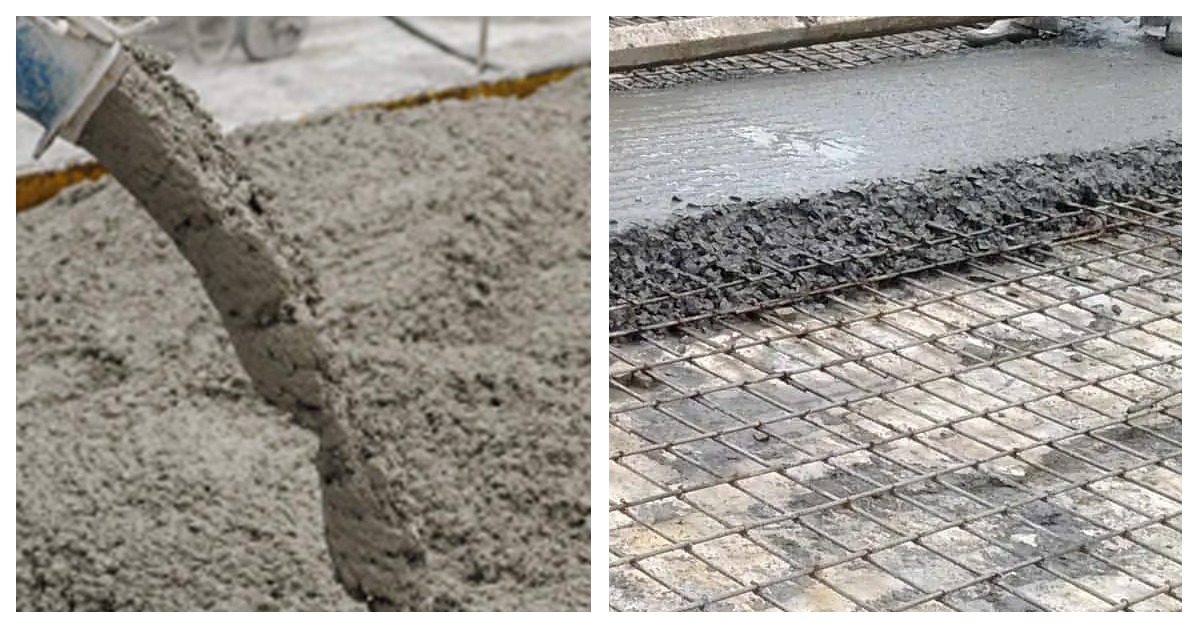
PCC full form stands for Plain Cement Concrete. Imagine a robust, yet simple, building block. That’s PCC in a nutshell. It’s a composite material formed by combining cement, sand, aggregates (such as sand, gravel, or crushed stone), and water. Mixed on-site, PCC boasts excellent workability, making it ideal for applications where shaping and molding are crucial. The key feature of PCC is that it does not contain any reinforcement, meaning there are no steel bars in the construction mix.

PCC in Construction

PCC is primarily used in situations where the concrete will not be subjected to significant tensile stress. It’s ideal for creating a solid, level base for structures and for use in areas where compressive strength is needed but tensile strength is not a major concern.

Common Applications of PCC:

● Flooring and paving
● Foundations for small buildings
● DPC (Damp Proof Course)
● Road construction
● Levelling courses beneath RCC structures

However, there’s a catch:

Limited Strength: PCC, lacking any reinforcement, can only withstand compressive loads. This means it can handle weight pushing down but is susceptible to cracking under tensile (pulling) or bending forces.

RCC Full Form: The Muscle Behind the Beauty

RCC full form stands for Reinforced Cement Concrete. Think of RCC as the upgraded version of PCC. It takes the base of PCC and injects a shot of incredible strength with the inclusion of steel bars for construction. These bars, strategically embedded within the RCC concrete which acts like a skeleton, providing exceptional resistance to bending and tensile forces.

RCC in Construction

RCC is essential for structures that must withstand significant loads and stresses. The combination of concrete and steel reinforcement creates a material that is strong in both compression and tension.

Common Applications of RCC:

● Beams, columns, and slabs in buildings
● Foundations and footings for large structures
● Walls and retaining structures
● Bridges, flyovers, and dams
● High-rise buildings and towers

Types of RCC

There are various types of RCC, depending on the specific needs of the construction project:
1. Precast RCC: Concrete elements like beams and slabs are cast in a controlled environment and then transported to the construction site.

2. Cast-in-Situ RCC: Concrete is cast on-site, allowing for seamless integration into the building framework.

3. Prestressed RCC: Steel tendons are stretched and anchored against the concrete, providing additional strength and reducing material usage.

But there’s a trade-off:

Cost: The inclusion of steel bars makes RCC a more expensive option compared to PCC.

Complexity: Working with RCC requires expertise in placing and tying the steel bars within the concrete for optimal performance.

Difference between PCC and RCC

So, when it comes to PCC vs. RCC, the choice boils down to the specific needs of the project. Here’s a quick guide:
PCC is ideal for: Simple foundations, driveways, walkways, pavements, and canal linings where load-bearing capacity is limited to compression.

RCC is the hero for: Beams, columns, slabs, walls, bridges, dams, and any structural element that needs to withstand significant bending, pulling, and compressive forces.

In conclusion, both PCC and RCC are vital elements in the construction industry. PCC provides a cost-effective and workable base, while RCC offers unparalleled strength and durability. Understanding their strengths and limitations empowers builders, masons, and engineers to select the most appropriate material for the job, ensuring the safety and longevity of the structures we inhabit. Explore ARS Steel, a BIS certified steel manufacturer offering top tier and economical solutions for all your building requirements.

Categories
Uncategorized

Different Types of Slabs in Construction

In construction, slabs are horizontal structural elements that create floors and ceilings in buildings. They are crucial for providing flat surfaces, bearing loads, and distributing weight evenly to the foundation. Understanding the different types of slabs in construction is essential for architects, engineers, and builders to choose the right slab type for various applications. Here, we’ll explore the types of slabs, their features, and their uses in construction.

Types of Slabs in Construction

Flat Slab

Flat slabs are simple, versatile slabs without beams, directly supported by columns. This type of slab construction is favored for its ease of formwork and efficient use of space, making it suitable for multi-story buildings, parking garages, and commercial structures. Flat slab allows flexible layout changes and provide a sleek, unobstructed ceiling. They are typically reinforced with steel to handle bending moments and shear forces.

One-Way Slab

One-way slabs are supported by beams on two opposite sides, causing the load to be carried in one direction. This type of slab is commonly used in rectangular areas where the length is more than twice the width. One-way slabs are ideal for residential buildings and office spaces, where the structural design requires straightforward load distribution. They are efficient and economical for small to medium spans.

Two-Way Slab

Two-way slabs are supported on all four sides and carry loads in both directions. This type of slab construction is suitable for square or nearly square spaces where the length-to-width ratio is less than two. Two-way slabs are commonly used in large floor areas of commercial and institutional buildings. They provide better load distribution and structural integrity for larger spans compared to one-way slabs.

Hollow Core Slab

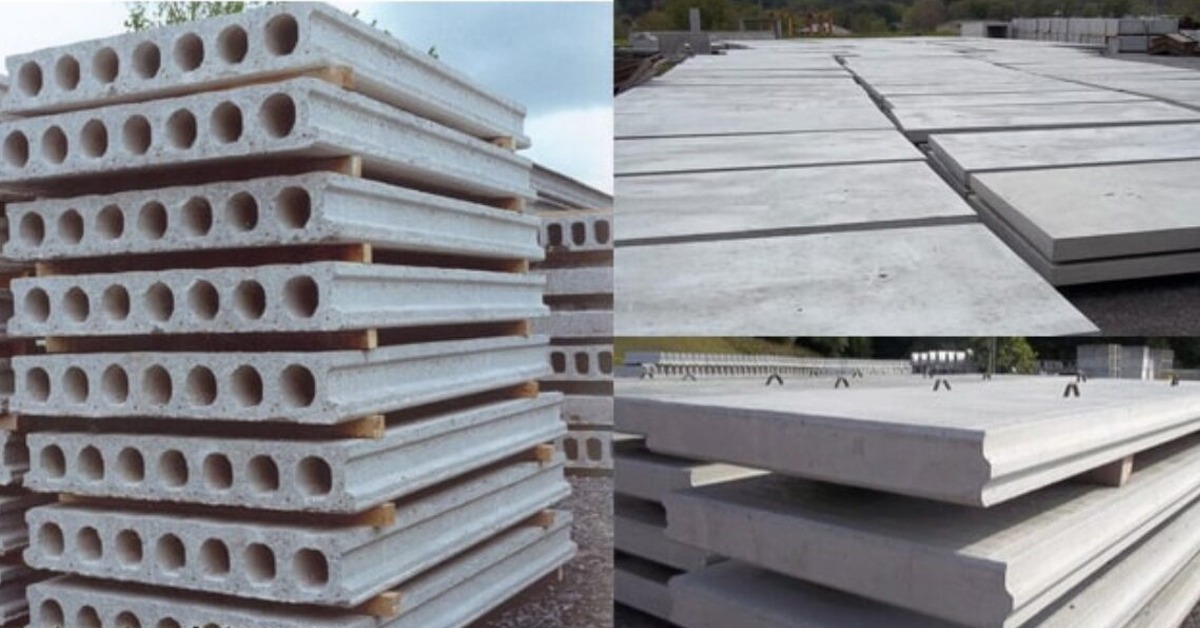
Hollow core slabs are precast concrete slabs with continuous voids or cores running through their length. These cores reduce the weight of the slab and improve its thermal and acoustic properties. Hollow core slab construction is ideal for large-span floors in residential, commercial, and industrial buildings. They offer rapid installation, cost efficiency, and reduced material usage, making them a popular choice in modern construction.

Precast Slab

Precast slabs are manufactured off-site and transported to the construction site for installation. This method allows for precise quality control and faster construction times. Precast slab construction is commonly used in large-scale projects such as parking structures, bridges, and high-rise buildings. These slabs can be customized to meet specific design requirements and are known for their durability and strength.

Composite Slab

Composite slabs combine concrete and steel decking to create a robust structural element. The steel decking acts as a formwork during construction and reinforces the concrete once it hardens. This type of slab construction is popular in multi-story buildings, particularly where speed and efficiency are critical. Composite slab provides excellent load-bearing capacity and reduce the need for temporary supports, making them cost-effective and practical.

Waffle Slab

Waffle slabs, also known as grid slabs, feature a grid-like pattern of ribs on the underside, giving them a waffle appearance. This type of slab construction reduces the amount of concrete used while maintaining strength and rigidity. Waffle slabs are ideal for long spans and areas requiring minimal deflection, such as auditoriums, industrial buildings, and commercial spaces. They offer aesthetic appeal and structural efficiency.

Post-Tensioned Slab

Post-tensioned slabs incorporate high-strength steel tendons that are tensioned after the concrete is poured and has gained strength. This method increases the slab’s load-bearing capacity and allows for longer spans with thinner slabs. Post-tensioned slab construction is used in high-rise buildings, parking structures, and bridges where minimizing deflection and cracks is crucial. These slabs are known for their durability and ability to handle dynamic loads.

Conclusion

In conclusion, understanding the different types of slabs in construction is vital for achieving the desired structural performance, efficiency, and aesthetic goals. From flat slab to composite slab, each type offers unique benefits and applications. Proper slab selection enhances building safety, functionality, and longevity, ensuring that structures meet the specific needs of their intended use. Explore ARS Steel, a leader with over two decades of expertise in manufacturing ‘D’ quality TMT bars, perfect for laying concrete slabs in your construction projects. 

Categories
Uncategorized

Different Types of Footings in Construction

What is footing in construction?

In construction, the term “footing” refers to the foundational elements of a building or structure that support and distribute its load to the underlying soil. Footings are essential for maintaining structural integrity, preventing settlement, and ensuring stability. There are several types of footing in construction, each tailored to specific soil conditions, load requirements, and structural configurations. Understanding the different types of footing in construction is crucial for engineers, architects, and builders.

Types of Footing in Construction

Isolated Footing

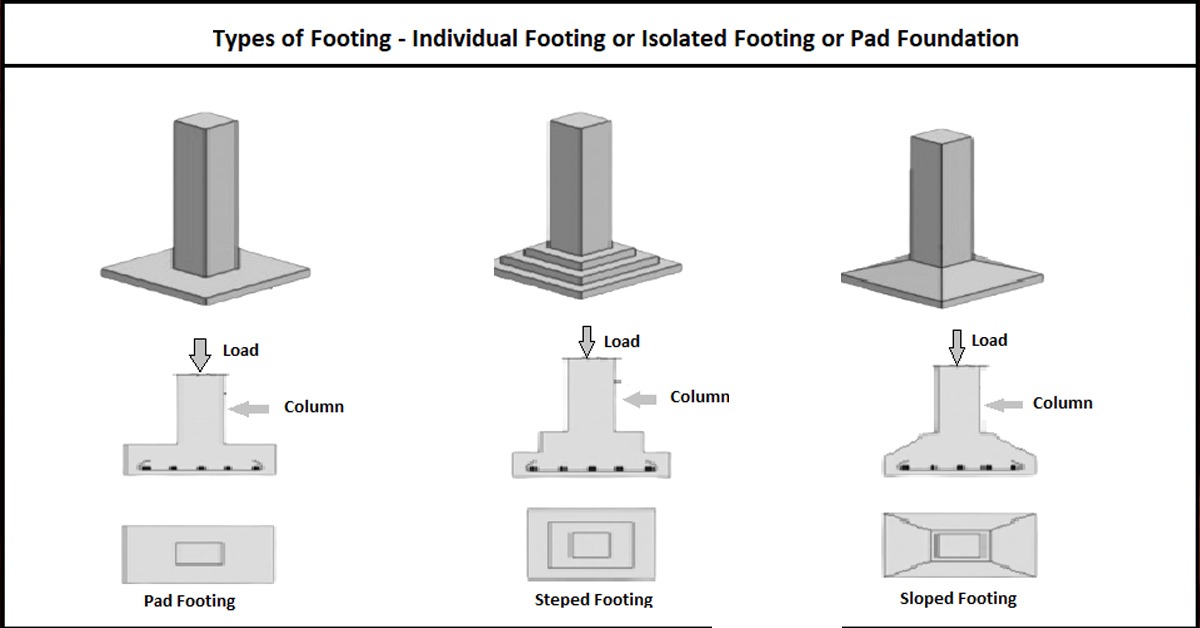
Isolated footing, sometimes referred to as pad footing, support individual columns and are typically square, rectangular, or circular in shape. This type of footing construction is used when columns are spaced apart and each column requires a separate footing. Isolated footings are designed to spread the load of the column over a larger area of soil, preventing excessive settlement. They are commonly used in framed structures where the loads are concentrated at specific points.

Combined Footing

Combined footings support two or more columns when the columns are so close that their isolated footings would overlap. This type of footing construction is used when the space constraints or load distribution necessitate a combined solution. Combined footings are often rectangular or trapezoidal and are designed to evenly distribute the loads from multiple columns to the soil.

Continuous Footing

Continuous footing, also known as strip footing, run continuously under multiple columns in a row. This type of footing is used when a row of columns is spaced closely together. Continuous footing construction helps in distributing the loads evenly along the length of the footing, providing stability and reducing the chances of differential settlement.


Strap Footing

Strap footings, or cantilever footings, are used when the columns are close to the property line and there is limited space for a traditional footing. In this type of footing construction, a strap beam connects an exterior footing with an interior footing. The strap beam helps distribute the load from the column near the boundary to the interior footing, ensuring stability.

Mat or Raft Footing

Mat footings, also known as raft foundations, involve a large concrete slab that supports the entire structure. This type of footing construction is used when the loads from columns or walls are so high that individual footings would be impractical. Mat footings are suitable for soils with low bearing capacity and are commonly used in large buildings, industrial structures, and areas with high groundwater levels.

Pile Footing

Pile footing involve driving long, slender columns (piles) into the ground to reach a stable soil layer. This type of footing construction is used when the surface soil is weak or compressible, making traditional footings impractical. Piles transfer the load of the structure to deeper, more stable soil or rock layers. Pile footing is commonly used in high-rise buildings, bridges, and structures on waterfronts.

Spread Footing

Spread footing is similar to isolated footing but are designed to spread the load over a larger area. This type of footing construction is used when the soil bearing capacity is relatively low, and a larger footprint is needed to distribute the load. Spread footings can be square, rectangular, or circular and are commonly used in residential and commercial buildings.

Conclusion

In conclusion, understanding the different types of footing in construction is essential for ensuring the stability and longevity of a structure. Each type of footing, from wall footing to pile footing, serves a specific purpose and is selected based on the soil conditions, load requirements, and structural design. Proper footing construction is vital for distributing loads effectively and preventing settlement, thereby maintaining the structural integrity of buildings and other structures. Check out ARS Steel for premium, cost-effective steel bars that are perfect for footing of all your construction projects.

Categories
Uncategorized

TMT Full Form | What Does It Stand for and Why it Matters

When it comes to construction, particularly in reinforcing concrete structures, TMT bars play a crucial role. But what does TMT full form stand for, and why is it so significant? Understanding the full form and importance of TMT bars can shed light on why these steel bars are a preferred choice in modern construction.

TMT Full Form: Thermo-Mechanically Treated

The TMT bar full form is Thermo-Mechanically Treated. This process involves subjecting a steel bar to a series of treatments that significantly enhance its strength and ductility. Let’s break down the TMT full form and explore the process behind these vital construction materials.

The Thermo-Mechanical Treatment Process

The TMT process involves several stages:

Quenching: After the hot-rolled steel bars are formed, they are rapidly cooled with water. This sudden cooling, or quenching, forms a hard outer surface, while the core remains hot and malleable

Self-Tempering: The core of the quenched bar remains at a higher temperature, which allows heat to flow from the core to the outer surface, tempering it. This stage enhances the ductility and strength of the steel bar.

Atmospheric Cooling: Finally, the bars are allowed to cool in ambient air. This gradual cooling further refines the structure, balancing the hard outer surface and the ductile inner core.

Why TMT Bars Matter in Construction

TMT bars are not just another type of steel bar; they are engineered to meet the high demands of modern construction. Here’s why TMT steel bars are preferred:

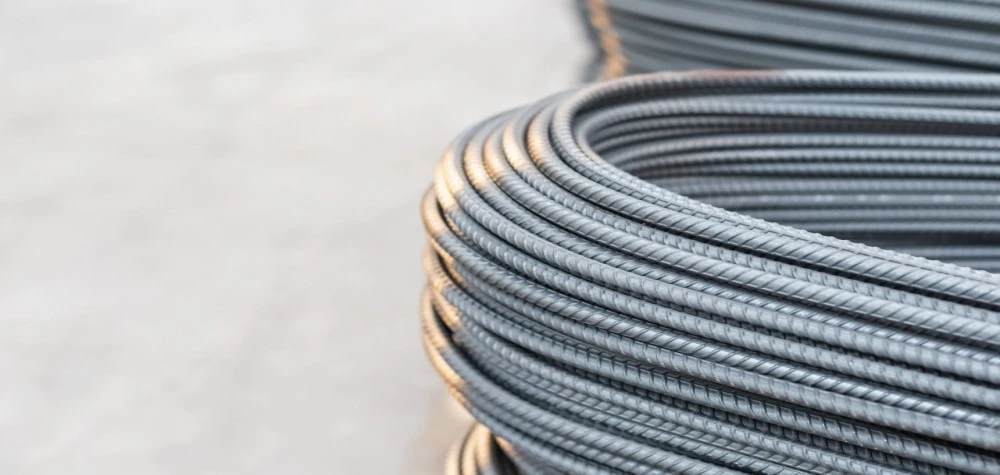
Superior Strength: The thermo-mechanical treatment process endows TMT steel bars with high tensile strength, making them capable of withstanding heavy loads and stresses. This strength is crucial for supporting large structures such as high-rise buildings, bridges, and dams.

Enhanced Ductility: Despite their strength, TMT bars remain highly ductile. This ductility allows the bars to bend without breaking, which is essential for withstanding seismic forces during earthquakes. Structures reinforced with TMT steel bars are less likely to collapse during such natural disasters.

Corrosion Resistance: TMT steel bars have superior corrosion resistance compared to traditional steel bars. The presence of alloys such as Cu, Cr, Ni and Mo impart corrosion resistance and increase the durability of the structure. The manufacturing process reduces the carbon content and refines the microstructure, making them less susceptible to rust. This longevity is particularly beneficial in humid environments or areas prone to flooding.

Thermal Resistance: TMT steel bars exhibit excellent thermal resistance, maintaining their strength even at high temperatures. This property makes them ideal for structures exposed to fire hazards, as they provide an extra layer of safety.

Cost-Effectiveness: While the initial cost of TMT steel bars may be slightly higher than conventional steel bars, their durability and strength result in long-term savings. Reduced maintenance and repair costs, combined with the extended lifespan of the structures, make TMT bars a cost-effective choice.

Applications of TMT Steel Bars

TMT steel bars are versatile and used in various construction projects, including:

  • Residential Buildings: Providing the necessary strength and flexibility for homes and apartment complexes.
  • Commercial Structures: Ensuring the stability and durability of offices, malls, and industrial buildings.
  • Infrastructure Projects: Reinforcing bridges, tunnels, highways, and flyovers, where high load-bearing capacity is critical.
  • Dams and Reservoirs: Offering resistance to high pressures and corrosive water environments.

When selecting TMT bars for your construction project, consider the following factors:

  • Grade: TMT steel bars come in different grades (e.g., Fe 550, Fe 500D, Fe 550D), each indicating the yield strength. Higher grades offer greater strength but might have reduced ductility.
  • Brand: Opting for reputable brands that adhere to international standards, ensuring quality and reliability.
  • Certification: Ensure the TMT bars are certified by relevant authorities, confirming their adherence to industry standards and specifications as per IS Code 1786-2008.

Conclusion

The TMT full form, Thermo-Mechanically Treated, encapsulates the advanced process that transforms steel bars into robust, flexible, and durable construction materials. The importance of TMT bars in the construction industry cannot be overstated—they provide the strength, ductility, and corrosion resistance needed for modern infrastructure. Whether for a towering skyscraper or a vital bridge, TMT steel bars are the backbone that ensures safety, longevity, and resilience. Explore ARS Steel, a SGS-certified integrated steel manufacturer with over twenty years of experience in crafting superior TMT bars, providing a stronger, safer, and more secure foundation for all your architectural needs.

Categories
Uncategorized

Different Types of Curing Methods in Concrete Construction

In the realm of construction, concrete stands as the backbone of countless structures, from towering skyscrapers to humble sidewalks. But beyond its initial pour, lies a crucial phase that often goes overlooked – curing. Curing of concrete is a crucial process in construction that ensures the hydration of cement, leading to the development of strength and durability in the final product. Let’s delve into the various curing methods used in concrete construction and their significance in achieving optimal results.

Understanding Curing of Concrete

Curing of concrete refers to the process of maintaining adequate moisture and temperature conditions to facilitate the hydration of cementitious materials within the concrete matrix. This hydration reaction is essential for the formation of strong and durable concrete, as it creates chemical bonds that bind the ingredients together and fill void spaces within the mixture.

Importance of Curing in Concrete Construction

Proper curing is essential for achieving the desired properties and performance of concrete structures. Some key benefits of curing include:

Enhanced Strength: Adequate curing promotes the development of higher compressive and tensile strengths in concrete, ensuring structural integrity and load-bearing capacity.

Improved Durability: Curing of concrete helps in reducing permeability and porosity in concrete, enhancing its resistance to moisture ingress, chemical attacks, and freeze-thaw cycles.

Minimized Cracking: Effective curing of concrete minimizes the risk of early-age cracking due to shrinkage and thermal stresses, resulting in more durable and aesthetically pleasing structures.

Optimized Hydration: Maintaining optimal moisture and temperature conditions during curing of concrete ensures complete hydration of cement particles, maximizing the utilization of available cementitious materials and minimizing shrinkage.

Common Curing Methods in Concrete Construction

Several methods in curing of concrete are employed in construction to maintain the required moisture and temperature conditions. Some of the most commonly used methods include:

Water Curing: The Traditional Method

Water curing is the oldest method used in curing concrete. It involves keeping the concrete surface wet by ponding, sprinkling, or immersing it in water. This method in curing of concrete prevents moisture loss and maintains a saturated environment for hydration, making it suitable for small-scale projects and in hot or windy conditions

Spray Curing: Convenient Moisture Retention

Spray curing uses fine mist or spray of water on the concrete surface at regular intervals to maintain moisture levels. Often combined with wet burlap or plastic sheeting, spray curing is easy to implement and works well for large projects like pavements, slabs, and walls.

Moist Curing: Keeping it Covered

Moist curing involves covering the concrete with wet materials such as burlap, sand, or curing blankets to retain moisture. This method in curing of concrete is particularly beneficial for horizontal surfaces like pavements and slabs, helping prevent cracking and ensuring uniform strength.

Membrane Curing: Sealing in Moisture

Membrane curing involves applying a liquid membrane or curing compound to the concrete surface, creating a barrier that seals in moisture. This method is convenient and cost-effective for large areas like highway pavements and industrial floors, reducing the need for continuous monitoring.

Steam Curing: Accelerating Strength Gain

Steam curing exposes concrete to high temperatures and humidity to accelerate strength gain. Common in precast concrete production and large projects requiring fast turnaround, this method needs specialized equipment and careful control to prevent thermal cracking and ensure uniform curing.

Concrete Curing Time

Curing time depends on factors like the concrete mix, ambient conditions, and project requirements. Generally, concrete should be cured for at least seven days to achieve adequate strength and durability. Some specialized mixes or structures may need up to 28 days or more for optimal performance.

Conclusion

In the world of concrete construction, curing is not just a step in the process – it’s a fundamental requirement for unlocking the material’s true potential. By employing the right methods for curing of concrete and allowing sufficient time for hydration to occur, we can ensure that our concrete structures stand the test of time, providing strength, durability, and reliability for generations to come. So, let’s embrace the art and science of curing, laying the foundation for a brighter, more resilient future in construction. Discover ARS Steel, a leader with over two decades of expertise in manufacturing ‘D’ quality TMT bars for your concrete constructions.

Categories
Uncategorized

Understanding the Latest Ministry of Steel Regulations for TMT Bar Manufacturers

The world of steel manufacturing is undergoing a transformation, particularly in the labelling of Thermo Mechanically Treated bars (TMT) producers. Traditionally, the industry categorized manufacturers as either primary or secondary based on their raw material source. Primary manufacturers used iron ore, the base material, while secondary manufacturers relied on recycled scrap steel. However, recent directives from government ministries, like those potentially impacting ARS Steel in India , are pushing for a shift towards labelling TMT bar manufacturers solely as “Integrated Steel Manufacturers.” This change signifies a move away from the old categorizations and highlights the evolving nature of steel production.

Why the Distinction Between Primary and Secondary?

The primary and secondary classification arose from the different production processes employed. Primary manufacturers, often referred to as integrated steel plants, possessed the infrastructure to convert iron ore into usable steel. This involved a series of complex steps, including mining, processing, and refining. Secondary manufacturers, on the other hand, focused on utilizing scrap steel. They collected, melted, and re-rolled scrap into new TMT bars.

While both processes contribute to steel production, there were perceived differences in quality. Primary steel, derived from virgin ore, was sometimes considered “purer” compared to recycled steel. This perception, however, doesn’t necessarily reflect reality. Modern advancements in scrap processing and TMT steel bars production allow for high-quality steel even from recycled materials.

The Rise of Integrated Steel Manufacturing

The move towards labelling TMT bars manufacturers as integrated steel manufacturers acknowledges the changing landscape of steel production. Here’s why this shift is taking place in the steel industry:

Union Steel Minister Jyotiraditya Scindia has announced that the Ministry of Steel will push primary steel producers to use 50% recycled steel by 2047, aligning with the government’s circular economy goals. Currently, recycled steel makes up about 10% of primary steel inputs, even though it accounts for 22.5% of the total domestic steel production, which is 140 million tonnes. Companies like ARS Steel , one of the leading TMT bars manufacturers in India , are poised to benefit from this transition. Previously, secondary steel might have been viewed as lower quality compared to primary steel, but the new policy changes this perception.

Scindia also noted that scrap steel currently constitutes only 15% of primary steel production, with a goal to raise this to 25% over the next five years. By 2047, the target is for scrap steel to make up 50% of primary steel production, meaning that iron ore will then account for only half of the raw materials needed. This updated labelling system will place ARS Steel on par with major players like Tata and JSW, removing any negative stigma associated with the old classification, thus enhancing ARS Steel’s competitiveness in the market.

Other Factors that causes the shift to Integrated Steel Manufacturing

● Technological Advancements:

Modern technology allows for the efficient use of scrap steel, minimizing reduction in quality. Techniques like electric arc furnaces (EAF) ensure effective smelting and refining of scrap, resulting in high-quality TMT steel bars.

● Efficiency and Cost-Effectiveness:

Utilizing scrap steel can be more cost-effective than relying solely on virgin ore. This translates to potentially lower production costs and more competitive pricing for TMT steel bars.

Does This Mean All TMT Bars Are Created Equal?

The removal of the primary/secondary distinction doesn’t guarantee uniformity in TMT steel bar quality. The guarantee is established by

  • Zero Quality issues
  • Satisfies IS 1786: 2008: IS Code for Chemical & Physical tests
  • Manufacturers are BIS certified

Conclusion

The new labelling system that classifies TMT bars manufacturers as Integrated Steel Plants represents a positive shift in the industry, recognizing advancements in scrap processing and the benefits of using recycled materials. For companies like ARS Steel, this change levels the playing field, allowing them to stand alongside major industry players in the market. Overall, this development offers a promising opportunity for secondary manufacturers to showcase their strengths and compete effectively in the market.

Categories
Uncategorized

Different Types of Concrete Mixing Ratio

Concrete is the backbone of modern construction. If you’re diving into the world of construction or simply curious about how sturdy structures are built, you’ve likely come across the term “concrete mix ratio.” But what exactly goes into making the perfect concrete mix, and why are mixing ratios so crucial? Let’s delve into the world of concrete mixing ratios and explore the different types that are used in construction projects.

Understanding Concrete Ratios

A concrete mix ratio refers to the proportion of the three key ingredients that make up concrete: cement, sand, and aggregate. These ratios are crucial because they determine the strength, workability, and durability of the concrete. Think of it as a recipe; just like baking a cake, getting the mix ratios right is essential to achieving the desired outcome. The precise combination of these materials ensures that the concrete mix achieves the necessary characteristics for its intended use.

Different Types of Concrete Ratios

Concrete mix ratios can vary widely depending on the requirements of the construction project. Here are some common types:

1.Standard Mix Ratio (Nominal Mix)

Standard concrete mix ratio is often referred to as nominal mix. These mixes are typically used for general construction purposes where specific strength requirements are not critical. The ratios are usually expressed in terms of concrete mix ratio by volume, indicating the proportions of cement, sand, and aggregate in a given volume of concrete

For example, a common standard mix ratio is M5 (1:5:10) , meaning one part cement, five parts sand, and ten parts aggregate

  1. M5 (1:5:10): Often used for lean concrete bases or simple pathways.
  2. M7.5 (1:4:8): Suitable for small-scale construction like patios and pathways.
  3. M10 (1:3:6): Used for lightweight structures and levelling courses.
  4. M15 (1:2:4): Ideal for pavements and floors that don’t bear heavy loads.
  5. M20 (1:1.5:3): Commonly used for slabs, beams, and columns in residential buildings.

2.Concrete Mixing Ratio for Slab

When it comes to laying concrete slabs, it’s essential to use an appropriate mix ratio to ensure the slab’s strength and durability. A typical mix ratio for slabs is M20 (1:1.5:3), consisting of one part cement, one and a half parts sand, and three parts aggregated by volume. This ratio provides sufficient strength to support the weight of the slab while offering good workability for placement and finishing.

The ideal concrete mixing ratio for slab strikes a balance between strength and workability, making it suitable for horizontal applications. It’s commonly used in slabs, beams, and columns in residential buildings.

3.Mix Design Ratio

In more complex construction projects, a mix design ratio is determined through extensive testing to meet specific strength and performance requirements. Unlike standard mix, mix design ratio is tailored to the project’s unique specifications through rigorous testing and analysis. This ratio takes into account factors such as environmental conditions, load-bearing capacity, and desired durability.

For example, concrete mix ratios like M25 and above are commonly used for high-rise buildings, bridges, and heavy-duty structures, where higher strength and durability are essential. The precise proportions of cement, sand, and aggregate are determined based on extensive laboratory testing to ensure the concrete meets the project’s performance criteria.

4.High-Strength Mixes

For projects that require exceptionally robust concrete, such as dam, high-rise buildings, bridges, and infrastructure projects, high-strength mixes are utilized. These mixes feature higher cementitious content and additional additives to enhance properties like workability and durability.

Mixes like M30, M35, M40, and higher are specifically designed to withstand heavy loads, harsh environmental conditions, and other challenges encountered in critical infrastructure projects. The concrete mix ratio by volume for high-strength mixes may vary depending on the project’s requirements, but they typically include a higher proportion of cement and fine aggregates to achieve the desired strength and durability.

Conclusion

Choosing the right concrete mix ratio is fundamental to the success of any construction project. Whether it’s a simple garden path or a towering skyscraper, selecting the appropriate mix ensures the structure is safe, durable, and built to last.

By understanding the different types of mixing ratios available and their applications, engineers and contractors can make informed decisions to meet the unique requirements of each project. So, the next time you see a construction site, you’ll have a deeper appreciation of the careful planning that goes into every cubic meter of concrete. Check out ARS Steel for premium, cost-effective steel bars that are perfect for all your building requirements.

TMT Steel CALCULATOR

Live Steel Price (Retail) For CRS 550D - Rs.70,000/MT (Inclusive of all Taxes )

WhatsApp Icon


    💬
    Chat Bot