Categories
Uncategorized

Manufacturing Process of TMT Bar

Understanding the Manufacturing Process of TMT Bars

Before diving into the manufacturing process, it’s essential to understand what TMT bars are. For those unfamiliar with the construction industry, the term “TMT” might sound like technical jargon. But TMT full form, which stands for Thermo Mechanically Treated, is actually a crucial component in building sturdy structures. Let’s delve into the manufacturing process of TMT bars and understand why they are preferred in construction projects.

TMT Bar Full Form

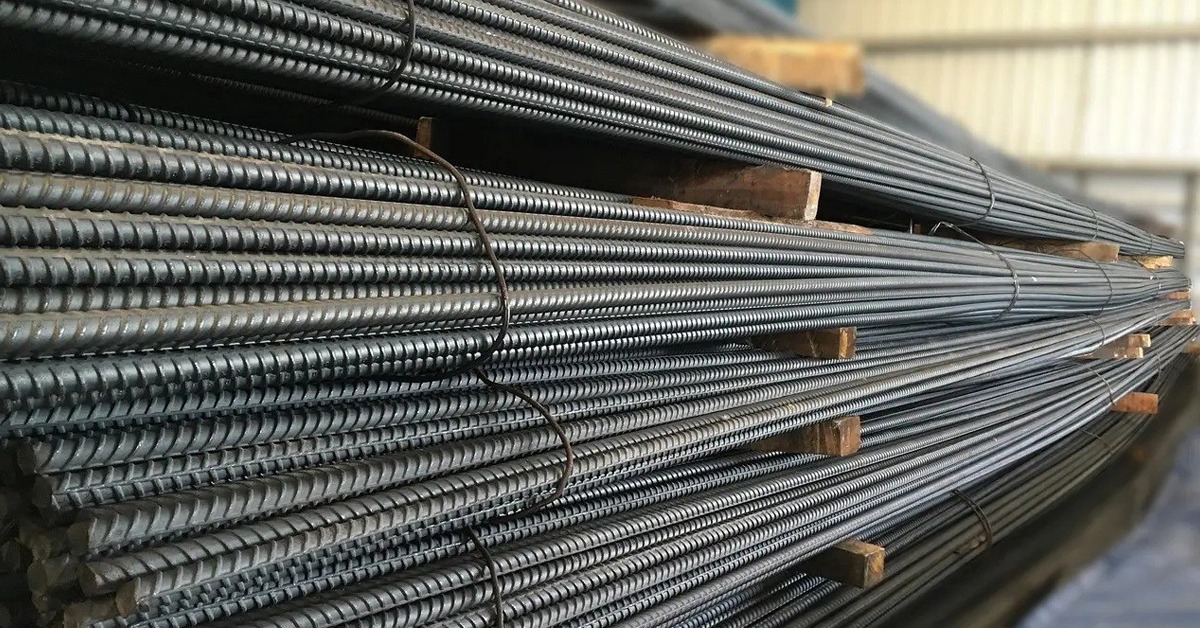
TMT bars, also known as Thermo Mechanically Treated bars , are a type of reinforcement steel used extensively in construction. These bars undergo a unique manufacturing process that gives them enhanced strength, ductility, and resistance to corrosion, making them an ideal choice for structural applications. The distinctive rib pattern on the surface of TMT bars helps in better bonding with concrete, further enhancing the structural integrity

TMT Bars Manufacturing Process

The production of TMT bars involves a series of meticulous steps to ensure the desired properties are achieved. Here’s a step-by-step overview of the TMT bars manufacturing process:

1.Raw Material Selection:

The process begins with the selection of high-quality raw materials, primarily iron ore, CRC, coal, and limestone, which are melted in a furnace to produce molten steel. Leading TMT bars manufacturers ensure that they use only the best raw materials to produce high-grade TMT bars.

2.Casting:

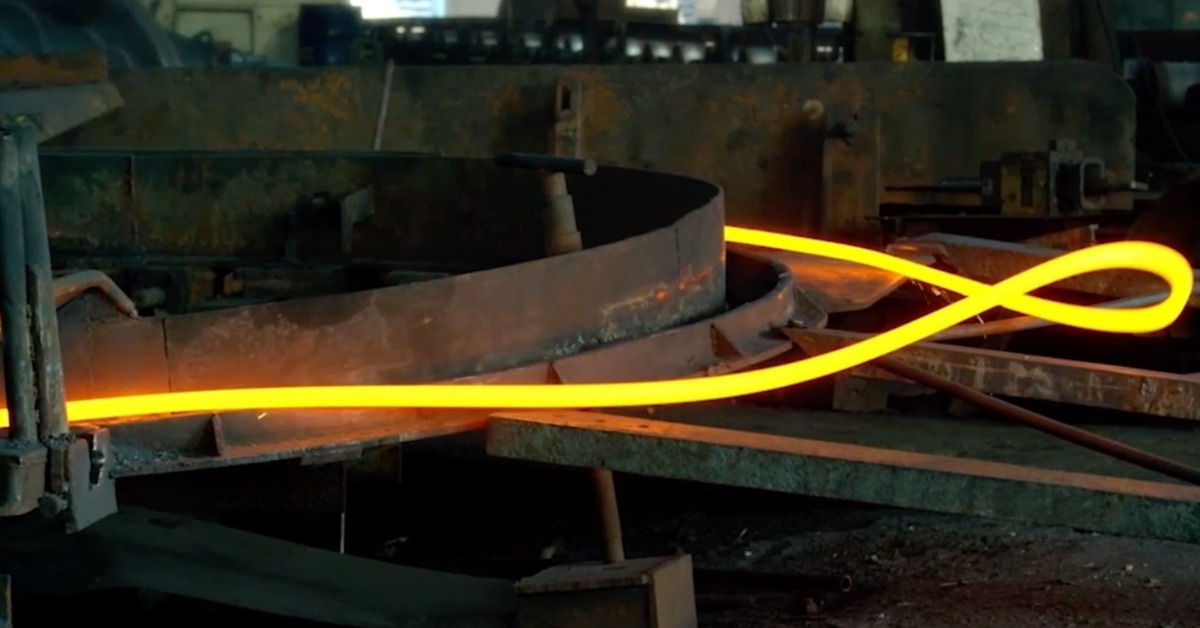
The molten steel is then poured into continuous casting machines to form billets of desired sizes. The selected steel billets are heated in a reheating furnace to a temperature of around 1100-1200°C. This heating process ensures the billets attain the necessary malleability for shaping. The reheating furnace plays a critical role in maintaining a consistent temperature, which is crucial for the quality of the bars. These billets must have the right chemical composition to ensure the final product meets the required standards

3.Rolling Mill:

The billets are heated to a specific temperature and passed through a series of rolling mills. This process is known as rolling, and it shapes the billets into long bars with the desired diameter. The rolling process is meticulously controlled to achieve precise dimensions and the unique ribbed pattern on the surface of the TMT bars.

4.Quenching:

After the rolling process, the hot rolled bars are immediately subjected to rapid cooling by water in a special section of the rolling mill called the quenching box. This rapid cooling process causes the outer surface of the bars to harden while the core remains soft, resulting in a tough outer layer and a ductile inner core. Quenching is a critical step in the TMT bars manufacturing process as it hardens the outer surface while keeping the inner core soft. This combination of a tough outer layer and a ductile inner core gives TMT bars their superior strength and flexibility.

5.Tempering:

Following the quenching process, the bars are then subjected to controlled cooling as part of thermo-mechanical treatment, known as tempering, to relieve internal stresses and improve their overall ductility and toughness. The heat from the core of the bars is transferred to the surface, which helps temper the outer layer. This process balances the strength and flexibility of the bars, ensuring they are resistant to wear and tear while maintaining the ability to withstand heavy loads and stress.

6.Cooling:

The final stage involves cooling the bars in the atmospheric environment. This step allows the bars to achieve room temperature naturally, solidifying their structure. Proper cooling is crucial to maintain the mechanical properties of the TMT bars.

7.Cutting and Packaging:

Once cooled, the TMT bars are cut into the desired lengths and subjected to rigorous testing. Quality control is a significant part of the manufacturing process, ensuring each bar meets industry standards and specifications. Reputable TMT bars manufacturers conduct various tests, including tensile strength, bend, and rebend tests, to ensure the bars’ durability and reliability.

TMT Bars Manufacturers: Leading the Way

In today’s market, numerous TMT bars manufacturers strive to meet the increasing demand for high-quality reinforcement steel. These manufacturers employ advanced technologies and stringent quality control measures to ensure that their TMT bars meet industry standards and customer expectations.

Conclusion

As a cornerstone of modern construction, TMT bars continue to be the preferred choice for builders and engineers looking for strength, flexibility, and durability in their projects.

By understanding the intricacies of the TMT bars manufacturing process, we can better appreciate the technology and expertise that go into creating these essential building materials. Whether you’re a construction professional or simply curious about how things are built, the journey of TMT bars from raw material to a robust structural component is truly fascinating. Check out ARS Steel for premium, cost-effective steel bars that are perfect for all of your building requirements.

Categories
Uncategorized

Why are fe550 and fe550d the most preferred TMT bars.

FE550 and FE550D are two grades of TMT (Thermo-Mechanically Treated) bars that are widely preferred in construction due to their superior quality, strength, and durability. Understanding the specifications and properties of these TMT bars helps explain why they are the preferred choice for structural reinforcement in buildings and infrastructure projects.

FE 550 Steel Specification:

  1. FE550 steel specification denotes a specific grade of TMT bars, where “FE” stands for “Iron” and “550” represents the minimum yield strength of the bars in MPa (megapascals). In the case of FE550, the minimum yield strength is 550 MPa.
  2. These TMT bars undergo a rigorous manufacturing process involving thermo-mechanical treatment, which includes controlled cooling after hot rolling. This process imparts superior mechanical properties to the bars, such as high tensile strength, excellent ductility, and superior bendability.
  3. FE550 TMT bars also exhibit good weldability, making them easy to work with during construction.

FE 550D Steel Specification:

  1. FE550D is an upgraded version of FE550 TMT bars , where “D” stands for “Ductility.” These bars have higher ductility compared to standard FE550 bars, making them more suitable for seismic-prone areas where flexibility and resilience are crucial.
  2. The addition of additional alloying elements and a specialised manufacturing process enhance the ductility of FE550D bars while maintaining high tensile strength.
  3. FE550D TMT bars also offer better corrosion resistance, ensuring the longevity and durability of structures, particularly in harsh environmental conditions.

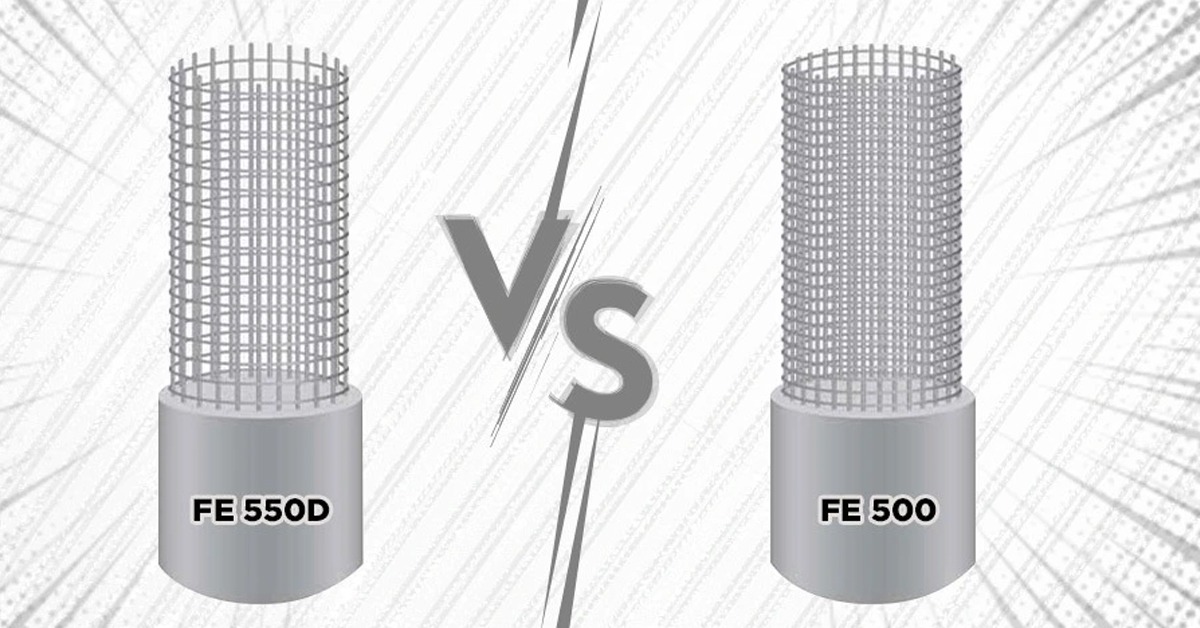
FE550 and FE550D TMT bars are preferred over other grades, such as FE550, for several reasons, including their mechanical properties, suitability for various construction applications, and compliance with industry standards.

Mechanical Properties of FE550 and FE550D:

  1. High Strength: Both FE550 and FE550D TMT bars exhibit excellent tensile strength, exceeding 500 MPa, which is crucial for ensuring the structural integrity and load-bearing capacity of buildings and infrastructure.
  2. Enhanced Ductility: FE550D TMT bars, in particular, offer superior ductility compared to standard FE550 bars, making them more resilient to seismic forces and dynamic loads, thus enhancing the safety and stability of structures.
  3. Bendability and Weldability: FE550 and FE550D TMT bars possess good bendability and weldability, allowing for ease of fabrication and installation during construction, thereby reducing labour costs and time.

Suitability for Construction Applications:

  1. Versatility: FE550 and FE550D TMT bars are suitable for a wide range of construction applications, including residential, commercial, industrial, and infrastructure projects.
  2. Compliance with Standards: These TMT bars conform to relevant Indian standards, ensuring consistency in quality and performance, as well as compliance with building codes and regulations.


To sum up, FE550 and FE550D TMT bars are the best option for structural reinforcement in building because of their excellent mechanical qualities, which include high tensile strength, improved ductility, and exceptional weldability. Ideal for a variety of building applications, these bars provide the strength, flexibility, and durability required to endure dynamic loads and seismic stresses. They are also well-liked by builders and engineers due to their adherence to industry standards and adaptability to various project kinds. In order to ensure the longevity, stability, and safety of infrastructure projects and buildings, FE550 and FE550D TMT bars remain the best option for reinforcing concrete structures. Check out ARS Steel for premium, cost-effective steel bars that are perfect for all your building requirements.

Categories
Uncategorized

6 Different types of beams used in Constructions.

Beams are essential in the construction industry because they sustain loads and give buildings and other infrastructures structural stability. To create safe and effective structures, engineers and architects must have a thorough understanding of the many types of beams used in construction. This essay will go over 6 distinct types of beams that are frequently used in building projects, emphasising their uses and qualities.

Simply Supported Beam

A simply supported beam is one of the most basic and widely used types of beams used in construction. It is supported at both ends, typically resting on supports or walls. This type of beam experiences bending when loads are applied to its span. The simplicity of its design makes it a fundamental component in bridges, residential buildings, and small-scale industrial structures. Its ability to efficiently handle vertical loads makes it a staple in steel rods for construction.

Cantilever Beam

A cantilever beam is anchored at only one end, with the other end extending freely into space. This unique support system allows it to carry loads without the need for additional supports at the free end. Cantilever beams are commonly found in balconies, overhanging structures, and bridges. They are adaptable in situations where support is restricted to one side since they are made to withstand both bending and torsional pressures.

Fixed Beam

A fixed beam, also known as a clamped beam, is rigidly supported at both ends, preventing any rotation or horizontal movement. This type of beam is ideal for structures requiring high rigidity and minimal deflection. Fixed beams are commonly used in frames of buildings, bridges, and machinery structures where stability is paramount. The rigid connections at both ends provide additional support against dynamic and static loads.

Overhanging Beam

An overhanging beam is similar to a simply supported beam but extends beyond one or both supports. This extension allows the beam to handle additional loads at the overhanging section. Overhanging beams are used in various construction applications, including bridges, balconies, and canopies. Their ability to support loads beyond the supports provides greater design flexibility in architectural and structural projects.

T-Beam

This type of beam is a reinforced concrete beam with a cross-section resembling the letter ‘T’. This design combines the strength of concrete and steel reinforcement to handle both compressive and tensile forces. T-beams are commonly used in floors, bridges, and building frames due to their ability to support significant loads. The steel reinforcement provides additional tensile strength, making T-beams a robust choice in modern construction that are used for these types of beam support.

Choosing the right beam type is only one factor that affects structural integrity; other important considerations are the building materials. Steel is a popular material for construction because of its durability and high strength-to-weight ratio. Long spans and huge weights can be supported by steel beams without experiencing much deflection. Furthermore, to offer extra tensile strength to reinforced concrete beams, steel rods for construction are frequently used. The overall load-bearing capacity of the structure is increased, and cracks are prevented by these steel reinforcements.

Ultimately, by comprehending the six distinct beam types utilised in steel for construction—simply supported, cantilever, continuous, fixed, overhanging, and T-beams—engineers and architects can create secure and effective structures. Building and infrastructure durability and structural performance are greatly influenced by the type and substance of beams used, including the usage of steel and steel rods in construction. Steel for construction experts can handle a variety of design issues and satisfy the requirements of their projects by utilising the distinctive qualities of each type of beam support. Check out ARS Steel for premium, cost-effective steel bars that are perfect for all of your building requirements.
Continuous Beam

A continuous beam is a structural element that spans multiple supports and has more than two points of support along its length. In a continuous beam, the beam is supported at three or more points, which could be columns, walls, or other structural elements. This type of beam is designed to distribute loads and movements more effectively than simply supported beams, which are supported at only two points.

Continuous beams are commonly used in building construction to span long distances and support loads such as the weight of the structure, occupants, furniture, and environmental loads like wind and snow. Steel rods help minimize deflection in continuous beams, maintaining the desired shape and alignment under load. This is crucial for ensuring stability and preventing excessive movement that could compromise the structural safety of the building or bridge.

Categories
Uncategorized

Everything you need to know about Corrosion Resistance Steel

Everything you need to know about Corrosion Resistance Steel

Corrosion Resistance Steel (CRS), is a type of steel alloy engineered to resist corrosion and atmospheric conditions. With its unique composition and properties, CRS has gained popularity in various industries, including construction, automotive, and infrastructure. Steel that resists corrosion is often known as stainless steel or Inox steel.

Composition and Properties

CRS is primarily composed of iron, chromium and nickel which has content up to 30% of nickel or up to 2.5% of manganese or 10.5% – 30% of chromium. If the water has high salinity of up to 180ppm, the CRS is suggested for Coastal area and for such areas, CRS is recommended.

At the same time it contains other components, for example, molybdenum, nitrogen, carbon, molybdenum, and copper.

The addition of these elements enhances the steel’s resistance to corrosion by forming a protective oxide layer on its surface. This oxide layer acts as a barrier, preventing further corrosion and deterioration caused by exposure to moisture, oxygen, and other environmental factors.

EXAMPLES OF STEEL CORROSION-RESISTANT ALLOYS

Stainless Steel:

Types of stainless steel, including 304 and 316, are mixtures of components, and most contain some iron, which oxidizes to form rust. Nevertheless, chromium—which is significantly more reactive than iron—is also present in considerable amounts (at least 18%) in several stainless steel alloys. On the metal surface, the chromium oxidizes quickly to form a protective layer of chromium oxide. This oxide layer prevents oxygen from penetrating the steel underneath while also resisting corrosion. The rust resistance of the alloy is increased by several constituents, including molybdenum and nickel.

Copper-Based Alloys:

Copper-based alloys are more appealing when their corrosion resistance is combined with other desired qualities. The material’s excellent mechanical properties, thermal and electrical conductivity, and ease of working enhance its use. These materials perform well in air, water, salt water, and in the presence of many natural and inorganic synthetic mixtures, though they are aggressively attacked by some mixes and acids.

Nickel And Cobalt Alloys:

The 99.5% cast nickel grade can be alloyed to strengthen it further and is made to withstand high-burning operations. Alloys of the nickel-copper Monel type are usually quite resistant to erosion caused by chlorides. For enhanced strength in areas where erosion, corrosion, and bothering occur in media containing chloride, this grade can be supplemented with more silicon and aged. Hydrofluoric, hydrochloric, and phosphoric acid corrosion resistance is one of the unique properties of the nickel-molybdenum-chromium Hastelloy type grades.

Corrosion Resistance Steel (CRS) TMT Bars

In addition to its widespread use in various industries, Corrosion Resistance Steel (CRS) is also employed in the manufacturing of TMT (Thermo-Mechanically Treated) bars, offering enhanced durability and structural integrity in construction applications. CRS TMT bars combine the corrosion-resistant properties of CRS with the high tensile strength and ductility provided by the TMT manufacturing process.

Applications of CRS Steel

CRS finds applications in a wide range of industrial projects sector due to its exceptional corrosion resistance and durability. In the construction industry, CRS is commonly used for architectural cladding, building facades, bridges, and structural components. Its ability to withstand harsh weather conditions makes it an ideal choice for outdoor structures exposed to moisture and salt air.

In addition to construction, CRS is also used in the manufacturing of automotive components, shipping containers, railway wagons, and industrial equipment. Its resistance to atmospheric corrosion makes it suitable for outdoor applications where prolonged exposure to environmental elements is inevitable.

Advantages of corrosion resistant steel

The use of CRS offers several advantages over traditional carbon steel and other corrosion-resistant alloys. One of the primary advantages is that it increases the lifetime of a building. Unlike carbon steel, which requires regular painting or coating to protect against corrosion, CRS develops a natural protection that eliminates the need for additional surface treatments and resists Chloride from reacting to create rust. This not only reduces maintenance costs but also extends the service life of the steel components.

Another advantage of CRS is its easy weldability combined with high tensile strength, which allows for the design of lighter and more structurally efficient structures. This can result in cost savings during construction and transportation without compromising on performance or durability.

Furthermore, CRS eliminates the need for toxic coatings and paints typically used to protect carbon steel from corrosion. The natural weathering process of CRS produces minimal environmental impact, making it a sustainable choice for homes, hospitals and infrastructure developments.

Corrosion Resistance Steel (CRS) offers a versatile and durable solution for various applications requiring corrosion resistance and structural integrity. Its unique composition and properties make it an ideal choice for construction, automotive, and industrial projects where exposure to environmental elements is a concern.

Categories
Uncategorized

What is a Steel round bar: Types, advantages and uses

What is a Steel round bar: Types, advantages and uses

What is a Steel Round Bar?

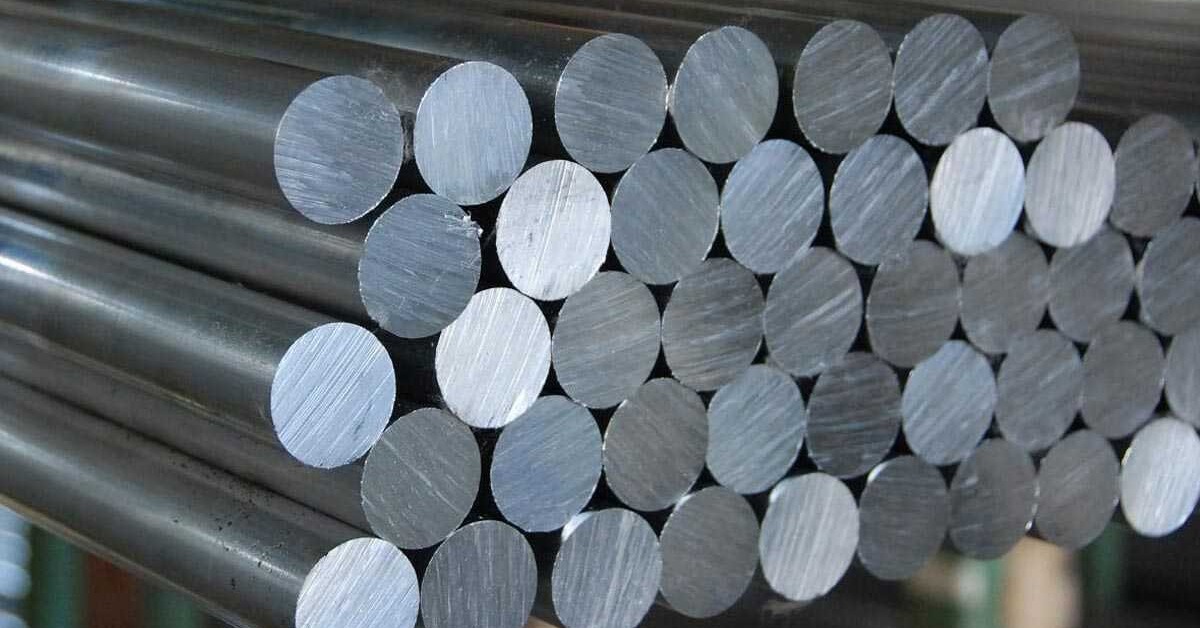
Steel round bars, often called steel bar stock, are cylindrical bars that are used for construction sites and industrial applications. Because they come in various sizes, they can be employed to meet the particular demands of industry. Understanding the weight of a steel round bar is crucial for structural purposes, ensuring proper handling and installation. Calculating the weight of a steel round bar is relatively straightforward, involving parameters such as diameter, length, and density. Utilizing a steel round bar weight calculator can simplify this process, aiding in efficient planning and resource management.

Round bars are utilized for load-bearing applications in many different sectors and can be manufactured with a range of metals. The most prevalent type of round bar in industries, particularly in the engineering and construction sectors, is the steel round bar. The steel industry is well-known for these round bars due to their many uses. They are used in the production of numerous items, including pins, machine tools, surgical instruments, and pumping shafts.

In general, a round bar is measured by considering its diameter. The bars can be produced in a variety of sizes, from ¼ inch to enormous round bars that are 24 inches thick and intended for heavy-duty applications. Round bars with smaller diameters are utilized for cars and other light industry applications, whereas thicker diameter round bars are preferred for major engineering and building projects.

Types of Steel Round Bars

Steel round bars are classified based on the type of steel used in their construction. Given below are the common types of bars sold by steel round bar manufacturers in India:

Mild steel round bar

Mild Steel round bars are one of the most widely used construction materials across industries owing to their versatility, strength, and cost-effectiveness. Mild steel is known for its low carbon content and is highly malleable, enabling easy moulding into various shapes and designs. Mild steel is highly resistant to corrosion which makes MS round bars amenable to a wide range of applications. Industries with high hygiene concerns such as hospitals and restaurants prefer stainless steel owing to its ease of maintenance and cleaning. MS round bar not only offers exceptional strength and durability but also comes in a wide variety of surface treatments that offer easy maintenance and an attractive finish.

Tool steel round bars

Tool steel round bars are high-performance metal alloys for making cutting, drilling, and shaping tools. They have superior hardness, toughness, and resistance to wear, corrosion & deformation. Tool steel bars come in various grades and sizes to meet manufacturing needs. They are used to manufacture dies, punches, moulds, and machine parts. Tool steel bars are also used in the automotive, aerospace & construction industries for making specialized tools and components.

Stainless steel round bars

Stainless steel round bars are a type of stainless-steel product that is in a cylindrical shape and made up of stainless-steel grades. These stainless steel round bars are usually used in sectors like the food industry or construction businesses. Stainless steel benefits in numerous applications especially in high-temperature conditions so they are easy to manufacture. They are also used in applications where most of the welding is not needed. It makes it more affordable. Stainless steel round bars are utilized in the manufacture of structures, appliances, and machinery. The material is also employed in the production of medical tools and jewellery.

Advantages of Steel Round Bars

Strength:

Steel round bars are not known for their extreme tenacity and strength. Larger diameter bars are employed in heavy machinery production and construction because of their exceptional load-bearing capabilities.

Durability:

Steel is incredibly resistant to corrosion and may withstand decades of use without experiencing significant deterioration.

Malleability and ductility:

The qualities of malleability and ductility in steel facilitate the cutting and shaping of round bars to meet precise specifications by structural steel manufacturing personnel.

Uses of Steel Round Bar

Given below are a few uses of steel round bars in various industries:

  1. To make steel beams, column stirrups and pipelines
  2. To erect steel structures
  3. Production of heavy machinery
  4. Production of medical tools
  5. Automobile parts
  6. To make trellis and rails

Steel round bars are used in many different sectors because they are easily formed and cut into the necessary shapes. If you are looking for steel round bar suppliers in India, visit ARS Steel Website We can assist you in finding the most affordable round steel bars of the highest quality.

Categories
Uncategorized

10 TMT Bar storage tips for Construction Sites

The demand for Thermo-Mechanically Treated (TMT) Bars is rising noticeably due to India’s continuing infrastructure development. In this article, we will delve into some TMT Bar safety tips to manage this material to maintain its pristine quality. While supply and storage at the manufacturing units must be given top priority by steel manufacturers, careful handling and steel stacking at the construction site is just as crucial. If not stored properly, these bars are prone to corrosion and rust due to India’s hot and humid climate. Any mistake made in storing the bars at the construction site could cause the TMT bars’ quality to deteriorate and further jeopardise the buildings’ structural stability. These TMT Bar storage tips help workers properly store TMT in a construction site for ensuring the structural integrity and safety of the materials.

Tips for proper storage of TMT bars

Designated Storage Area:

Provide a dry, clean, and well-ventilated space for steel stacking. Any chemicals or caustic elements that can harm the bars should be kept away from this area.

Elevated Storage:

To avoid moisture, contact and reduce the chance of rusting or corrosion, store TMT bars off the ground on raised platforms or pallets. Additionally, this makes it simpler to check the bars for damage.

Appropriate stacking:

Arrange and neatly stack TMT bars, leaving enough room between bundles to provide airflow. Keep them from being stacked too high as this may cause them to bend or distort under their own weight.

Covering:

Use plastic sheets or waterproof tarpaulins to shield TMT bars from water, sunlight, and other environmental factors. This keeps the bars from rusting and preserves their quality until they are ready to be used.

Frequent Inspection:

Examine stored TMT bars on a frequent basis for indications of damage, such as bending, rusting, or corrosion. To keep the building project intact, remove any damaged bars from the storage area and replace them with new ones.

Handling Equipment:

To lift and move TMT bars safely, use the proper handling equipment, such as cranes or forklifts. Steer clear of dragging or dropping the bars as this may result in structural damage or surface abrasions.

Bundle Identification:

Write pertinent details, like the batch number, grade, and size, on the label of each bundle of TMT bars. This facilitates easy identification during construction and helps guarantee traceability.

Preventing Contamination:

To avoid weakening the steel and jeopardising its structural integrity, keep TMT bars away from sources of contamination such oil, grease, or chemicals. Spot clean any spills or leaks to avoid damaging neighbouring bars.

Temperature Control:

To avoid subjecting TMT bars to extreme heat or cold, which may impair their mechanical qualities, store them in a temperature-controlled space. Keep them away from hot sources like welding machines or generators.

Handling Tips for TMT Steel Bars

Instruction and Knowledge:

Educate construction workers on the safe handling and storage of TMT bars. Stress how crucial it is to adhere to these rules in order to preserve the building project’s quality and safety.

Steel handling and the TMT Bars safety tips covered here are essential components of construction site management. Construction experts can reduce the possibility of harming steel bars and guarantee the building’s structural integrity by adhering to these TMT Bar storage guidelines. TMT bars are stored in a controlled environment, away from potential sources of damage, when a designated storage facility is established. Bars may be made to last longer by stacking them properly and keeping them above the ground to minimise rust and distortion. Frequent inspections are necessary to spot any damage early on and implement repairs as soon as possible. When equipment and procedures are handled correctly, there is less chance of physical harm occurring during installation and transportation. Traceability and bundle identification are crucial for quality assurance and adhering to building codes. The quality and functionality of TMT bars are further protected by limiting temperature and preventing contamination. Lastly, it is imperative that construction personnel receive training in accordance with the TMT Bar storage guidelines to guarantee that correct handling and storage protocols are constantly followed. Construction experts can reduce hazards and produce safe, high-quality constructions by putting these tips into practice.

To sum up, the successful completion of any construction project depends on the efficient handling and storage of TMT bars. Construction experts can reduce the possibility of TMT bar damage, guarantee structural integrity, and, in the end, produce high-quality and secure structures by putting the 10 suggestions listed above into practice. A dedication to quality and professionalism in building site management is shown by placing a high priority on appropriate handling and storage practices.

Categories
Uncategorized

Different Types of Foundations in Building Constructions

The foundation serves as the structural core of any building, giving the structure above it the necessary support and stability. When building a structure, a variety of foundation types are employed, each suited to certain soil conditions, architectural styles, and structural needs.

Foundation of construction:

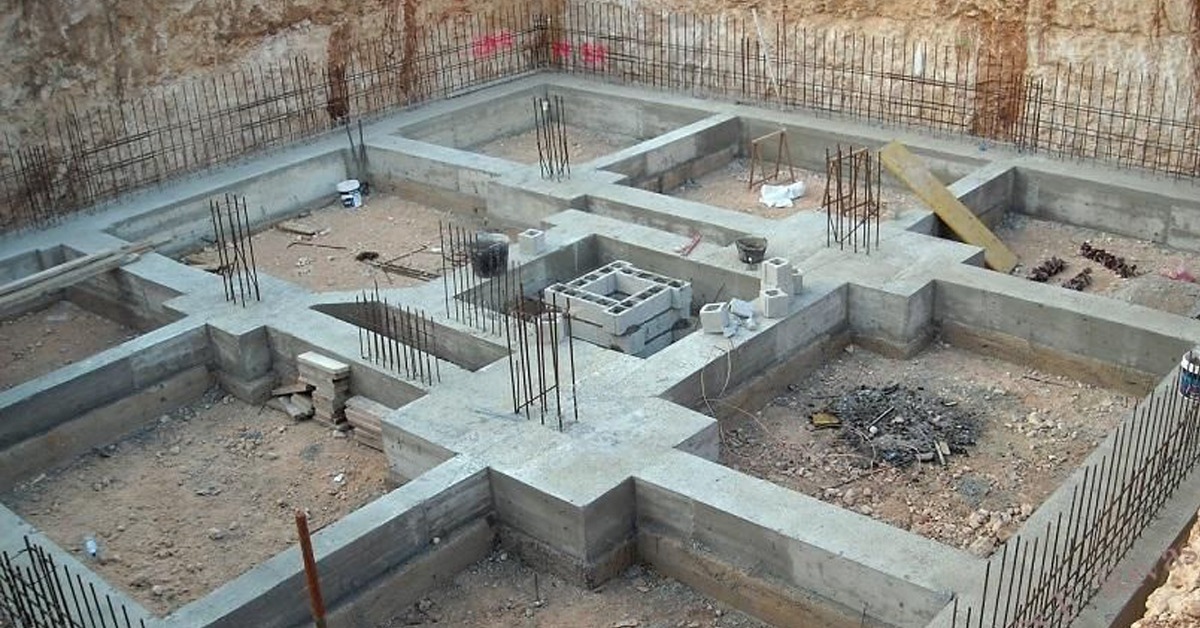
The portion of a structure that transfers the weight of the building to the earth is called the foundation. Transferring this weight must be done so without putting undue strain on the ground. This lessens the chance of the building falling or sinking. In addition to serving as the building’s connection to the soil, these types of foundation ensure that the weight is distributed evenly.

Types of foundation in construction:

Shallow Foundation:

Also referred to as footing foundations, shallow foundations are frequently utilised when substantial excavation is not required since the soil at the construction site is firm enough to support the weight of the structure. The two main kinds of shallow foundations are spread footings and mat foundations. Mat foundations are continuous slabs that cover the full building’s footprint and distribute the load more evenly than spread footings, which are concrete pads that distribute the building’s weight over a broader area of soil. Let’s explore more of the types of foundation in construction and how they vary in their nature of support to structures.

Deep foundation:

When the soil conditions at a construction site are unsuitable for shallow foundations, various types of deep foundation are used. Deep foundations are used to shift the weight of the building to the strata of rock or more stable soil. Drilled piers, caissons, and pile foundations are a few examples of types of deep foundation. Long, thin columns pushed far into the earth serve as pile foundations, supporting large or heavy constructions.

Pile Foundation:

Let’s look at the next foundation which is one that is made of piles. Are you curious about their usage? Big buildings and constructions built over bodies of water are traditional uses for some types of pile foundation.

The components of these structures are long, thin, columnar pieces that are pushed deeply into the ground to transfer stresses from weak soils to stronger soils below. Several types of pile foundation construction can be done with steel, concrete, or wood. Their ability to support a load is remarkable. They are adept at successfully opposing upward forces. They work well in regions with difficult soil conditions or elevated water tables. These are the benefits of pile foundation.

Raft or Mat Foundation:

Raft foundations are a kind of shallow foundation that disperses the weight of the building over a broad area. They are sometimes referred to as mat foundations. The name comes from the fact that these kinds of foundations resemble rafts floating on the ground. They are usually employed in situations when the soil has a limited capacity to support loads or in structures with widely dispersed loads, like high-rise buildings.

Strip Foundations:

Wall footing foundation ais another name for strip foundations. This kind of shallow foundation is used to sustain a line of loads, such a wall that bears weight. This type of wall footing foundation is appropriate for light-weight constructions like residential buildings since it typically consists of a concrete strip extending the length of the wall. They are less expensive than other types since they are easy to build and use less concrete. They work well with relatively light-weight buildings and stable ground conditions.

Pad Foundations:

Pad foundations are a kind of shallow foundation used to support specific points of load, like columns. They are sometimes referred to as isolated or individual footings. Usually, they are concrete slabs that are square or rectangular in shape. If you were planning to develop low-rise business or residential structures, this foundation would be ideal. This is a reasonably priced choice. This foundation’s design and construction are simple. They work well with light- to medium-weight constructions that are constructed on solid, stable ground.

To sum up the discussion of the numerous types of foundations used in building construction, it is clear that the selection of a foundation is influenced by a number of variables, including the type of soil, the weight of the structure, regional building codes, and environmental considerations. Each form of foundation has a specific function, ranging from shallow foundations like raft, pad, and strip foundations that are appropriate for light constructions with stable soil conditions to deep foundations like pile and pier foundations that are made for unstable soil with large loads. To guarantee the stability, security, and lifespan of a structure, it is essential to comprehend the features and specifications of several foundation types. Furthermore, the development of foundation design is still influenced by advances in engineering methods and materials, which improve building construction’s durability, sustainability, and efficiency.

Categories
Uncategorized

Different Types of Steel Reinforcement Bars Used in Construction

What is a reinforcement bar?

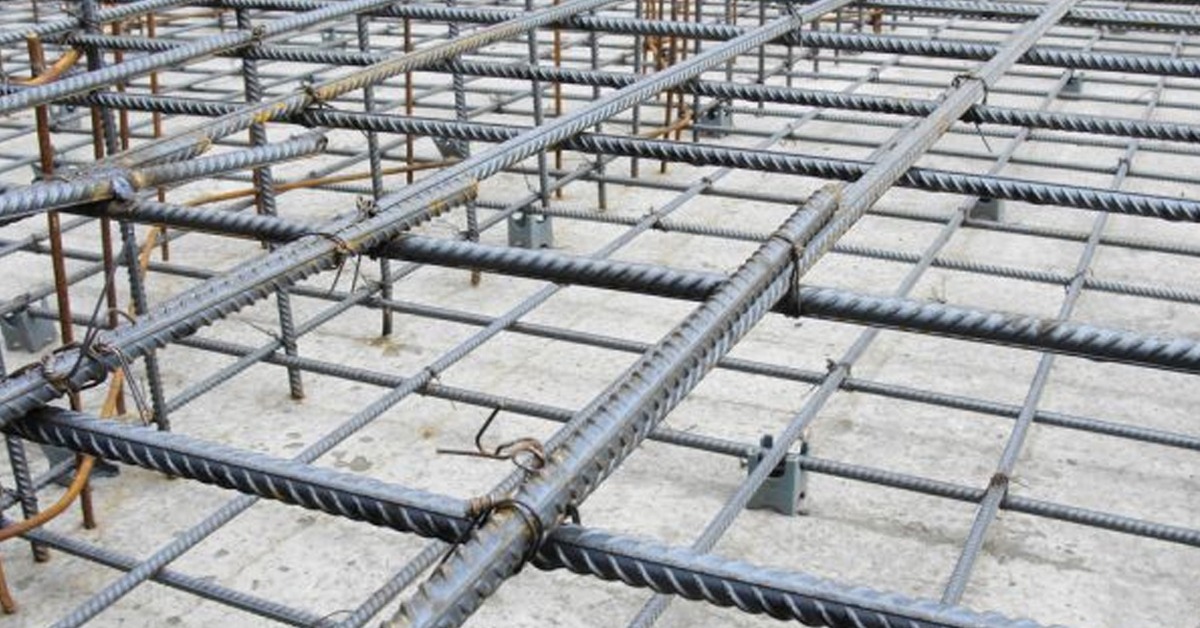
Reinforcement bars are made of steel, used to provide strength and support to concrete. These are bars that are specifically made for the construction industry designed to work with concrete. Steel bars and wires are put inside concrete structures to add to the load bearing capacity of the structure. Steel reinforcement bars are also known as Rebars.

Understanding Rebars

It’s important to understand how different types and weights of rebar influence the tensile strength of the concrete elements used. Rebar steel is mostly composed of iron, with trace elements of Sulphur, phosphorus, manganese, and carbon. The overall quality and tensile strength of rebar are attributed to the carbon element. The reinforcement bar weight is also influenced by its diameter. Measurement per linear foot or metre is the simplest weight calculator to use for determining the reinforcement bar weight. For 6mm rebar, the weight ranges from 0.222 kg per metre (0.068 kg per foot) to 9.87 kg per metre (3.008 kg per foot) for 40mm rebar.

Types of Steel Reinforcement Bars

There are various types of steel reinforcement bar used in the construction industry for concrete support. Some of them are

Carbon Steel Bars

Carbon steel bars are used where ultimate tensile strength is required. However, their ductility and resistance to corrosion is considerably low.

Epoxy Coated Rebar

The purpose of Epoxy Coated Rebar is to serve as a protective system against moisture and chlorides that could erode the surface of the reinforcing bar. To create epoxy-coated rebar, hot steel is sprayed with epoxy powder using an electrostatic sprayer set to a specific temperature. They have a high resistance to corrosion and are widely used in infrastructure, buildings, bridges, roadways, etc.

Galvanized Rebar

Galvanized rebars are reinforcement bars coated with a protective layer of Zinc. The Zinc coating protects the rebars from the corrosive environment they are exposed to when they are embedded in concrete.

High Yield Strength Deformed (HYSD) Bars

HYSD bars are distinguished by a ribbed rough surface on the bar. This is done in order to increase the bar bonding between reinforcement and concrete and to maintain friction between them. HYSD bars are divided into two kinds, they are:

TMT Bars

TMT bars, also called Thermo-Mechanically Treated bars, are known to be the best among steel bars. They showcase important qualities like excellent ductility, high corrosion resistance, ultimate tensile strength, better elongation and better weldability. TMT bars are manufactured by the process of using hot treatment technology.

Cold Twisted Bars

Cold twisted bars, also known as TOR Steel or CTD (Cold Twisted Deformed) bars, are manufactured by the process of cold twisting. Generally, the tensile strength of the rod is increased by the method of twisting, but this method also negatively affects the ductility of the steel bar and breaks the protective blue oxide which makes the CTD bar lose its resistance to corrosion.

It’s essential to know that Thermo-mechanically Treated (TMT) bars are recognized for their high tensile strength on a worldwide basis. TMT Bars provide adequate flexibility in addition to strength. Because of this, it is able to provide maximum protection during natural disasters such as earthquakes, floods, etc. TMT Bars are less fatigued and have a high level of corrosion resistance since they contain less carbon.

To find the best TMT bars, head to ARS Steel ,the leading TMT manufacturer in India. To find out more about reinforcement bar, their types and advantages, you can visit their website.

Categories
Uncategorized

A Comprehensive Guide to Steel Bar Sizes and Their Applications

What is a steel bar?

Steel bars, also known as reinforcement bars or rebars, are solid, long metal bars which are generally used in construction projects in order to reinforce structures such as buildings, dams, bridges etc. It supports and strengthens the bar material typically concrete when it is under tension. Steel bars are mostly used to reinforce concrete structures with an additional layer. Steel bars are the most often utilized steel product in construction industries because they are sturdy, versatile, and cost-effective for builders.

Types of Steel Bars

Carbon Steel Bars

Carbon steel bars are utilized in situations where ultimate tensile strength is required. They are made of carbon and iron. Their ductility and corrosion resistance, however, are significantly less. Carbon steel bars are used to manufacture a variety of machine components, equipment, and other applications in industries.

TMT Bars

Thermo mechanically treated, or TMT, bars are regarded as a vital component essential to constructing buildings. The TMT bars typically have a standard length, although their diameters vary. There are different steel bar sizes on the market.

Hot Rolled Bars

Hot rolled deformed bars are the type of reinforced steel bar most commonly used in R.C.C. constructions. In addition to being incredibly strong, hot-rolled deformed bars are also incredibly durable. With its immense strength, this kind of bar is suitable for any kind of building project.

Cold-Rolled Steel Bars

Cold-rolled steel bars are reinforcement bars that are produced by treating hot-rolled steel bars. Throughout the entire process, hot-rolled bars are incorporated into the cold work process.

Mild Steel Bars

One form of steel bar that has been utilized in building construction for a long time is a mild steel bar or MS bar. In contrast to the wrapped structure seen on other types of bars, MS bars have a plain outer layer or surface and lower tensile yield strength.

The Different Sizes and Application of Steel Bars

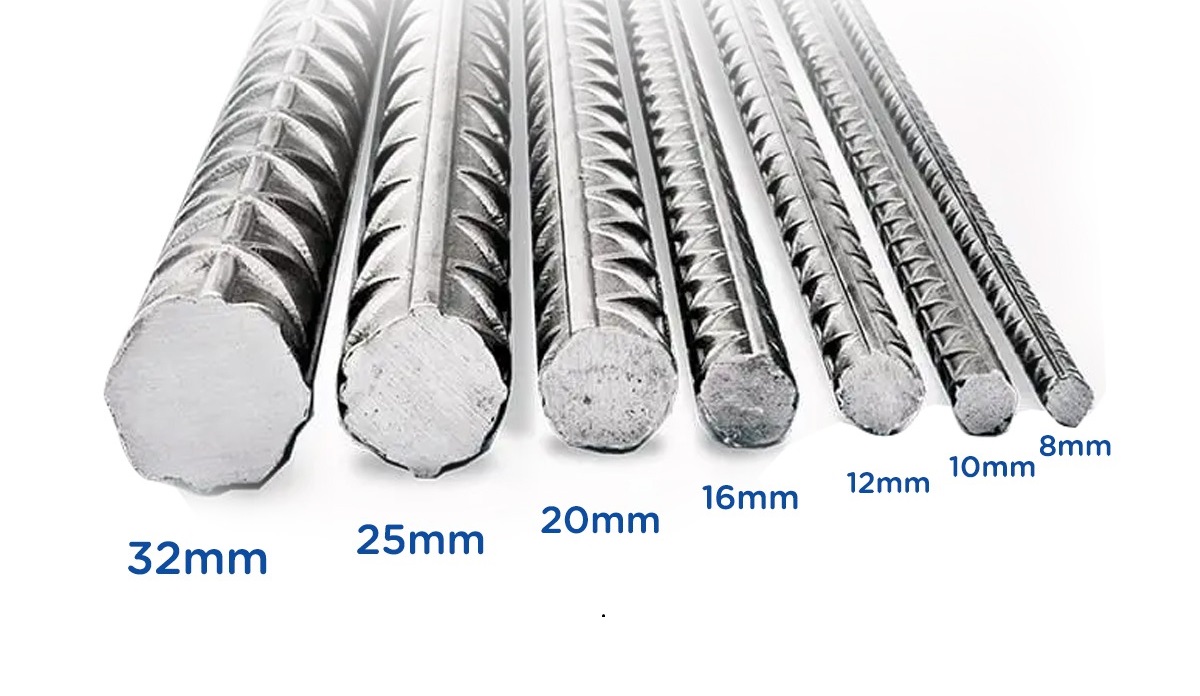
The properties of TMT bars, such as their resistance to corrosion and fire, make them the perfect material for use in marine structures. TMT bars are additionally earthquake-resistant. They are therefore perfect for usage in areas where seismic activity is common. They come in different sizes, the steel bars in mm are 8mm, 10mm, 12mm and 16mm. TMT bars are extensively utilized in the construction industry. Some of the common uses of TMT bars are:

  1. Marine structures
  2. High-rise buildings
  3. Industrial structures
  4. Bridges and heavy-duty infrastructure operations

Steel bars in the diameters of 8mm, 10mm, 12mm, and 16mm are the ones most widely utilized.

The 8mm Steel Bar

For architectural projects, an 8mm steel rod is a popular choice because of its cost-effectiveness, high elongation, and adaptability. An 8mm steel rod weighs about 4.6 kg. Owing to its small weight, it can be used in areas where significant loads are not necessary. It is also easier to handle during construction because of its smaller diameter. 8mm steel rods are often used in structures such as stairways and slabs.

The 10mm Steel Bar

The 10mm steel rod has a higher load-bearing ability and strength. It weighs about 7.1 kg per rod. Projects requiring a moderate amount of reinforcement often use it. These 10mm steel rods are specifically used for building roofs and lintels.

The 12 mm Steel Bar

The 12mm steel bar weighs about 10.4 kg per rod. The 12mm steel rod is used for projects that require a higher level of structural stability. It provides improved durability and strength. This size is used by architects to build sturdy buildings that can handle huge weights as well as external impacts, making them appropriate for both small- and large-scale residential projects. The primary application for these 12mm steel rods is in the building of roof-supporting beams.

The 16mm Steel Bar

In terms of heavy-duty construction, the 16mm steel rod takes the forefront. Outstanding strength and load-bearing capacity are provided by this diameter. It is used in large-scale construction projects where structural stability is crucial, such as high-rise buildings and bridges. 192.2 kg is the weight of one 16mm steel rod. These 16 mm steel rods are also used in the building of beams and columns according to the corresponding structural designs.

To sum up, architectural design greatly depends on the weight differences of 8mm, 10mm, 12mm, and 16mm steel bars. The project’s requirements will determine the right size, which will take into account cost-effectiveness, structural soundness, and load-bearing capacity. Architects may guarantee the performance and endurance of their structures by making well-informed judgments based on their grasp of weight differences and their implications.

To find the best TMT bars, head to ARS Steel, the leading TMT manufacturer in India. To find out more about reinforcement bars, their types and advantages, you can visit their website.

Categories
Uncategorized

How TMT Bars are Transforming Rural Infrastructure Development?

In the world of construction, every element affects the building of a sturdy and strong structure. Among the myriad components utilized, TMT steel bars play a pivotal role in ensuring structural integrity and longevity. Within this realm, understanding the importance of 8 mm rod weight holds paramount significance, particularly in construction projects requiring precision and durability.

TMT steel bars, renowned for their superior strength and resilience, are indispensable in construction endeavours worldwide. As steel rods for construction ,they serve as the backbone of buildings, bridges, and infrastructure projects, providing the necessary reinforcement to withstand varying loads and environmental conditions. In Tamil Nadu, a hub of architectural innovation, the demand for top-quality TMT bars is high, driving the need for reliable manufacturers who deliver excellence.

Among the plethora of TMT bars manufacturers in Tamil Nadu, ARS TMT Bars stand out as pioneers in the industry, recognized for their unwavering commitment to quality and consequently the best TMT bars in Tamil Nadu With a steadfast dedication to engineering excellence. ARS TMT Bars have established themselves as leaders in the market, offering a comprehensive range of steel rods for construction designed to meet the diverse needs of construction projects across the region.

When it comes to selecting the best TMT bars in Tamil Nadu , the weight of the rods becomes a critical consideration. For example, the weight of 8 mm TMT bars, in particular, holds significant importance as it directly impacts the structural stability and load-bearing capacity of the construction. As such, architects, engineers, and builders must meticulously evaluate and calculate the weight of 8 mm TMT bars to ensure optimal performance and safety in their projects.

The weight of 8 mm TMT bars varies depending on several factors, including the density of the material and the length of the rods. Manufacturers like ARS TMT Bars adhere to stringent quality standards to ensure that each 8 mm rod meets the specified weight requirements, thereby guaranteeing uniformity and consistency across construction projects. By providing accurate weight specifications, ARS TMT Bars empower construction professionals to make informed decisions and optimize the structural design of their buildings.

In construction projects, precision is key. Even a slight deviation in the weight of 8 mm TMT bars can have significant implications for the structural integrity and safety of the building. Therefore, builders and contractors must source TMT bars from reputable manufacturers like ARS TMT Bars, who prioritize quality control and precision engineering in their production processes.

Moreover, the weight of 8 mm TMT bars impacts logistical aspects of construction, including transportation, handling, and installation. By selecting TMT bars with optimal weight characteristics, builders can streamline construction processes, reduce labour costs, and improve overall project efficiency. With ARS TMT Bars’ commitment to delivering top-quality products with accurate weight specifications, construction projects in Tamil Nadu can proceed smoothly and seamlessly, ensuring superior structural performance and longevity.

In conclusion, understanding the importance of TMT bars in construction projects is crucial for achieving optimal structural integrity and durability. As the backbone of any construction endeavour, TMT steel bars play a pivotal role in ensuring the safety and longevity of buildings and infrastructure. By partnering with trusted businesses like ARS TMT Bars manufacturers , construction professionals can rest assured knowing that they are utilizing the best TMT bars in Tamil Nadu available, backed by precision engineering and unparalleled quality assurance.

TMT Steel CALCULATOR

Live Steel Price (Retail) For CRS 550D - Rs.70,000/MT (Inclusive of all Taxes )

WhatsApp Icon


    💬
    Chat Bot